Summary and analysis of Dallas-Fort Worth's current economic and industrial real estate market conditions.
12 October 2026
Insight
12 October 2026
Dallas-Fort Worth Industrial Market Dynamics - Q3 2026
Categories:
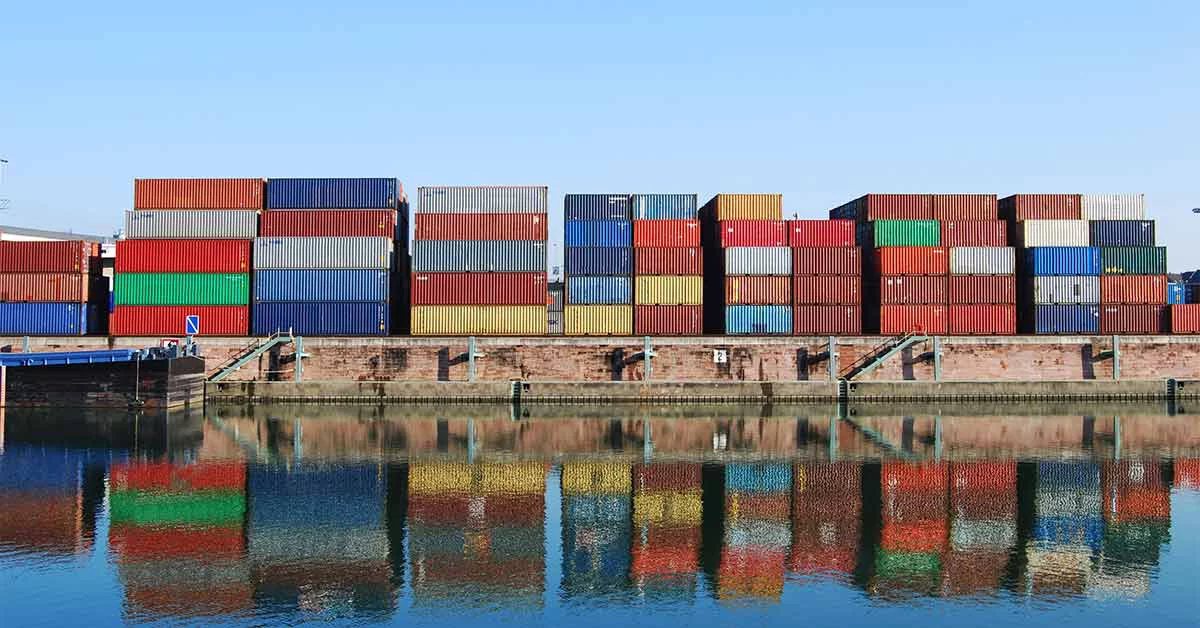
Dallas-Fort Worth is the strongest industrial market in the United States, leading in both supply and demand
- Total industrial vacancy fell to 9.3% in the second quarter of 2026, a seventh consecutive quarterly decline from the 11.1% peak in the third quarter of 2024
- Net absorption of 17.9 million square feet in the first half of the year was the highest of any U.S. industrial real estate market.
- Average asking rent reached $8.99 per square foot with 31.2 million square feet under construction.
- Vacant available space fell 7.1 million square feet in the quarter and about 19% over the past year, leaving occupiers that need immediate occupancy a smaller pool of move-in-ready buildings to choose from.
Why has Dallas-Fort Worth industrial vacancy declined for seven straight quarters?
Industrial vacancies in Dallas-Fort Worth have declined for seven consecutive quarters because demand realized through net absorption keeps outpacing deliveries. The market absorbed 17.9 million square feet in the first half of 2026 against 13.2 million square feet of deliveries. Vacancy fell below 10% in the first quarter of 2026 for the first time since the fourth quarter of 2023 and stands at 9.3%, with JLL Research forecasting the rate to hold flat in the near term.
Occupiers leased 16.9 million square feet in Q2 2026
Occupiers leased 16.9 million square feet of industrial space in Dallas-Fort Worth in the second quarter of 2026, the third-highest quarterly total of the past decade, bringing year-to-date leasing to 34.6 million square feet. Leasing came in 3.8% below the first quarter all-time high and 32.5% above the second quarter of 2025. Back-to-back record quarters committed tenants to space that has now converted into occupied square footage, which is what drove this quarter's absorption.
Inventory grew 53.2% over the past decade while leasing more than doubled, so the market is not simply larger, it is turning over faster. Higher velocity shortens the expected lease-up period on new product.
Dallas-Fort Worth leads U.S. industrial net absorption in the first half of 2026
Dallas-Fort Worth recorded 17.9 million square feet of industrial net absorption in the first half of 2026. Dallas-Fort Worth is one of only four U.S. markets reporting net absorption above 10 million square feet, alongside Phoenix at 13.6 million square feet, Chicago at 12.8 million square feet and Houston at 11.9 million square feet. Those four markets account for the bulk of measurable national demand this year.
How much industrial space is under construction in Dallas-Fort Worth?
Dallas-Fort Worth has 31.2 million square feet of industrial space under construction as of the second quarter of 2026, the largest pipeline since the fourth quarter of 2023, and year-to-date deliveries of 13.2 million square feet are 41.3% higher than the same period in 2025. Preleasing covers 37.7% of the space under way, leaving close to 20 million square feet of speculative product that mostly delivers in the first half of 2027. Preleased commitments on that stock are growing each quarter, so less of it will reach the market unleased than the figure suggests today.
Average industrial asking rent reached $8.99 per square foot
The average industrial asking rent in Dallas-Fort Worth is $8.99 per square foot as of the second quarter of 2026, and JLL Research forecasts further increases. Availability of 11.5% is falling and concessions are holding stable rather than widening, which are the two signals that point to continued rent growth rather than flat renewal economics.
Key takeaways for industrial occupiers, investors and developers
Occupiers are working against a shrinking pool of available space, while owners and developers are operating in a market where new supply is being met by real occupancy.
About this report
JLL Research's Q2 2026 Dallas-Fort Worth industrial market dynamics report covers key market data collected from April 1 to June 30, 2026, five-year supply and demand trends, submarket details, major activity impacting the market and outlook for the near future. Authored by Micah Rabalais, director of research; Nick Thomas, research manager; and McKenna Barton and Miles Sigh, research analysts.
FAQs about Dallas-Fort Worth industrial real estate market indicators
What is the industrial vacancy rate in Dallas-Fort Worth?
Total industrial vacancy in Dallas-Fort Worth is 9.3% as of the second quarter of 2026, according to JLL Research. The rate has declined for seven consecutive quarters from its recent peak of 11.1% in the third quarter of 2024, and it fell below 10% in the first quarter of 2026 for the first time since the fourth quarter of 2023.
What is the average industrial asking rent in Dallas-Fort Worth?
The average industrial asking rent in Dallas-Fort Worth is $8.99 per square foot as of the second quarter of 2026, and JLL Research forecasts further increases. Availability of 11.5% is falling and concessions are stable, so occupiers should model rent growth into 2027 renewals rather than flat economics.
How much industrial space was leased in Dallas-Fort Worth in Q2 2026?
Occupiers leased 16.9 million square feet of industrial space in Dallas-Fort Worth in the second quarter of 2026, the third-highest quarterly total of the past decade. That is 3.8% below the first quarter all-time high and 32.5% above the second quarter of 2025. Year-to-date leasing reached 34.6 million square feet.
Which U.S. industrial market has the strongest demand in 2026?
Dallas-Fort Worth leads the United States in both industrial supply and demand as of the second quarter of 2026, according to JLL Research. Its 17.9 million square feet of year-to-date net absorption puts it ahead of Phoenix at 13.6 million square feet, Chicago at 12.8 million square feet and Houston at 11.9 million square feet. Those four markets are the only ones in the country above 10 million square feet year to date.
Is it getting harder to find warehouse space in Dallas-Fort Worth?
Yes. Vacant available industrial space in Dallas-Fort Worth fell by 7.1 million square feet in the second quarter of 2026 and by 16.4 million square feet, about 19%, over the past year. Occupiers that need immediate occupancy face a narrowing set of move-in-ready options through the end of 2026.
What is the difference between industrial vacancy and availability?
Vacancy measures space that is physically empty, while availability measures all space being marketed for lease, including occupied space with a known future departure. In Dallas-Fort Worth, vacancy is 9.3% and availability is 11.5% as of the second quarter of 2026. Availability leads vacancy, which is why JLL Research forecasts availability to decline while vacancy holds flat. Occupiers tracking only the vacancy rate will see the market tighten later than it actually does.