Industrial vacancy fell to 4.5% in the second quarter of 2026, and big-box leasing along the I-80 Corridor kept demand ahead of a growing construction pipeline.
06 October 2026
Insight
06 October 2026
Chicago industrial market dynamics, Q3 2026
Categories:
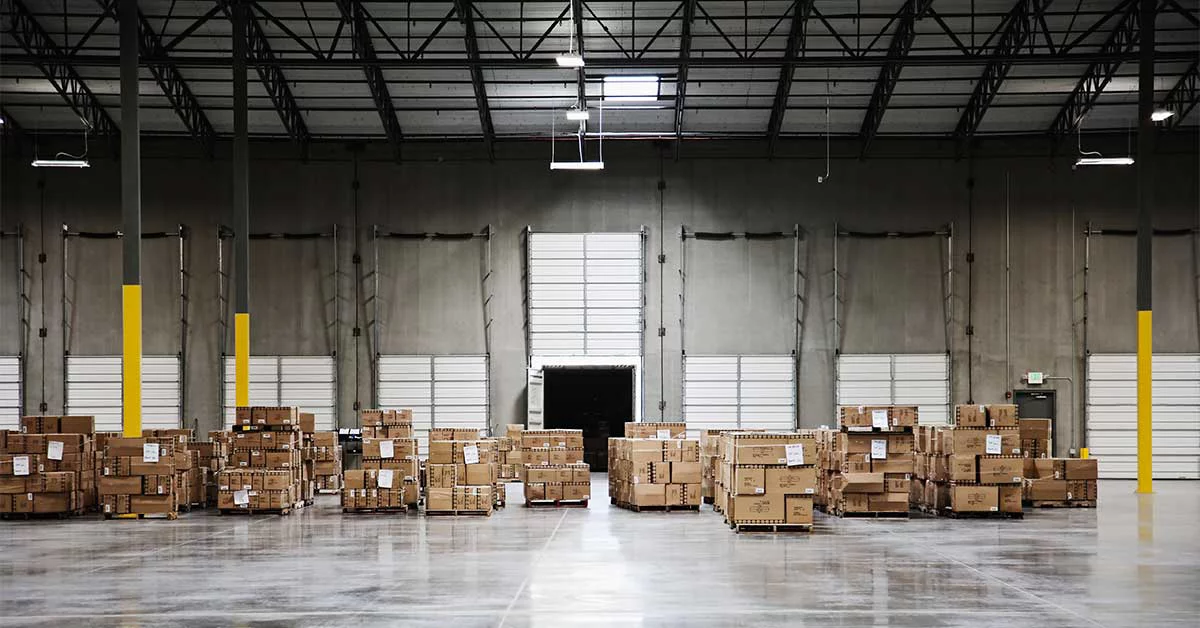
The industrial vacancy rate fell to 4.5% in the Chicago market during the second quarter of 2026, as shallow bay occupiers and big-box tenants kept net absorption ahead of new supply. Leasing activity totaled 10.6 million square feet, marking a fourth consecutive quarter above the 10-million-square-foot threshold even as the total eased from the first quarter's 14.4 million square feet. Speculative construction is accelerating, and JLL Research's outlook points to further rent growth as vacancy keeps compressing.
Key takeaways
- Second-quarter net absorption totaled 5.8 million square feet, far outpacing the 648,700 square feet posted in the same quarter last year and pushing year-to-date net absorption to 12,804,962 square feet.
- Leasing activity held above 10 million square feet for a fourth straight quarter, with deal count rising to 153 leases in the second quarter from 133 in the first, even as total volume eased to 10.6 million square feet from 14.4 million square feet.
- Big-box demand concentrated along the I-80 Corridor in Joliet, where KeHe Distributors leased 1.2 million square feet of speculative space at Cherry Hill Business Park and Hyundai Translead signed for a 906,500-square-foot manufacturing facility at Clarius Park Joliet, its second major Chicago lease of 2026.
- Speculative construction starts reached 2.0 million square feet in the second quarter, the most in any quarter since 3.3 million square feet was completed in the third quarter of 2024, led by a single 446,900-square-foot project.
- Average asking rent rose to $8.12 per square foot, and JLL Research forecasts continued increases as 14,164,033 square feet of space works through the development pipeline, 32% of it already preleased.
What was the industrial vacancy rate in Chicago during Q2 2026?
Vacancy in the Chicago industrial market fell to 4.5% in the second quarter of 2026, down 20 basis points from the first quarter and down from 5.0% in the second quarter of 2025. Total availability, which adds sublease space and space marketed ahead of vacancy to the vacant total, held at 8.5% for the quarter.
JLL Research attributes the decline to tenant demand that continued to outpace new supply, a pattern shallow bay occupiers have driven throughout the first half of 2026.
Chicago industrial leasing activity eased from a strong first quarter
Chicago industrial tenants signed leases totaling 10.6 million square feet in the second quarter of 2026, down from the first quarter's 14.4 million square feet, but still the fourth consecutive quarter above the 10-million-square-foot threshold.
Deal count moved in the opposite direction of total volume. Transactions rose to 153 in the second quarter from 133 in the first, driven by a surge in leases sized between 20,000 and 50,000 square feet and between 50,000 and 100,000 square feet. The shift suggests mid-size occupiers are shaping Chicago's leasing pace alongside big-box tenants this year.
Where is big-box demand concentrated in Chicago?
Big-box demand concentrated along the I-80 Corridor in the second quarter of 2026, with two of the market's largest industrial transactions closing in Joliet.
KeHe Distributors leased 1.2 million square feet at Cherry Hill Business Park
KeHe Distributors, a grocery and specialty food distributor, signed a lease for 1.2 million square feet of speculative development at Cherry Hill Business Park in Joliet. The transaction reflects continued big-box appetite for space along the I-80 Corridor, where developers have kept speculative product moving through the market even as construction starts accelerate elsewhere in the region.
Hyundai Translead signed its second major Chicago lease of 2026
Hyundai Translead secured a 906,500-square-foot manufacturing facility at Clarius Park Joliet, marking the company's second significant Chicago industrial transaction of 2026. The lease adds to a pattern of manufacturing and logistics users choosing Joliet submarkets along the I-80 Corridor for large-format space.
Both deals reflect a broader shift among big-box occupiers toward markets that pair transportation access with supply chain resilience, a priority JLL's guide on building resilience into industrial location strategy recommends weighing in every site decision.
Speculative construction is accelerating in the Chicago industrial market
Speculative construction starts reached 2.0 million square feet in the second quarter of 2026, the largest quarterly volume since 3.3 million square feet was completed in the third quarter of 2024. The largest single project to break ground measured 446,900 square feet.
No project has yet reached the 1-million-square-foot mark that defined the market's biggest speculative developments in prior cycles, leaving room for a larger commitment as demand continues to build.
What is the outlook for Chicago industrial rents and investment?
Speculative construction starts reached 2.0 million square feet in the second quarter of 2026, the largest quarterly volume since 3.3 million square feet was completed in the third quarter of 2024. The largest single project to break ground measured 446,900 square feet.
No project has yet reached the 1-million-square-foot mark that defined the market's biggest speculative developments in prior cycles, leaving room for a larger commitment as demand continues to build.
About this report
This report is produced quarterly by JLL Research and covers industrial and logistics real estate market conditions in the Chicago metro area for the second quarter of 2026 (April 1 to June 30, 2026). It tracks net absorption, leasing activity, construction and development, vacancy, availability, asking rent and concessions.
The full report includes additional detail on submarket-level activity and a complete historical data series. Download the full PDF below, and explore JLL's U.S. industrial market statistics and trends report for the national context behind Chicago's numbers.
Report released July 17, 2026 and authored by George Cutro, director of industrial research, JLL Research.
For additional context on findings in the latest report, download the prior Q2 2026 Chicago industrial market dynamics report.