Building a sustainable and integrated affordable housing model
08 December 2025
Insight
08 December 2025
Solving Dubai's affordable housing challenge through strategic management
Categories:
Authors
Vishwa Karthik
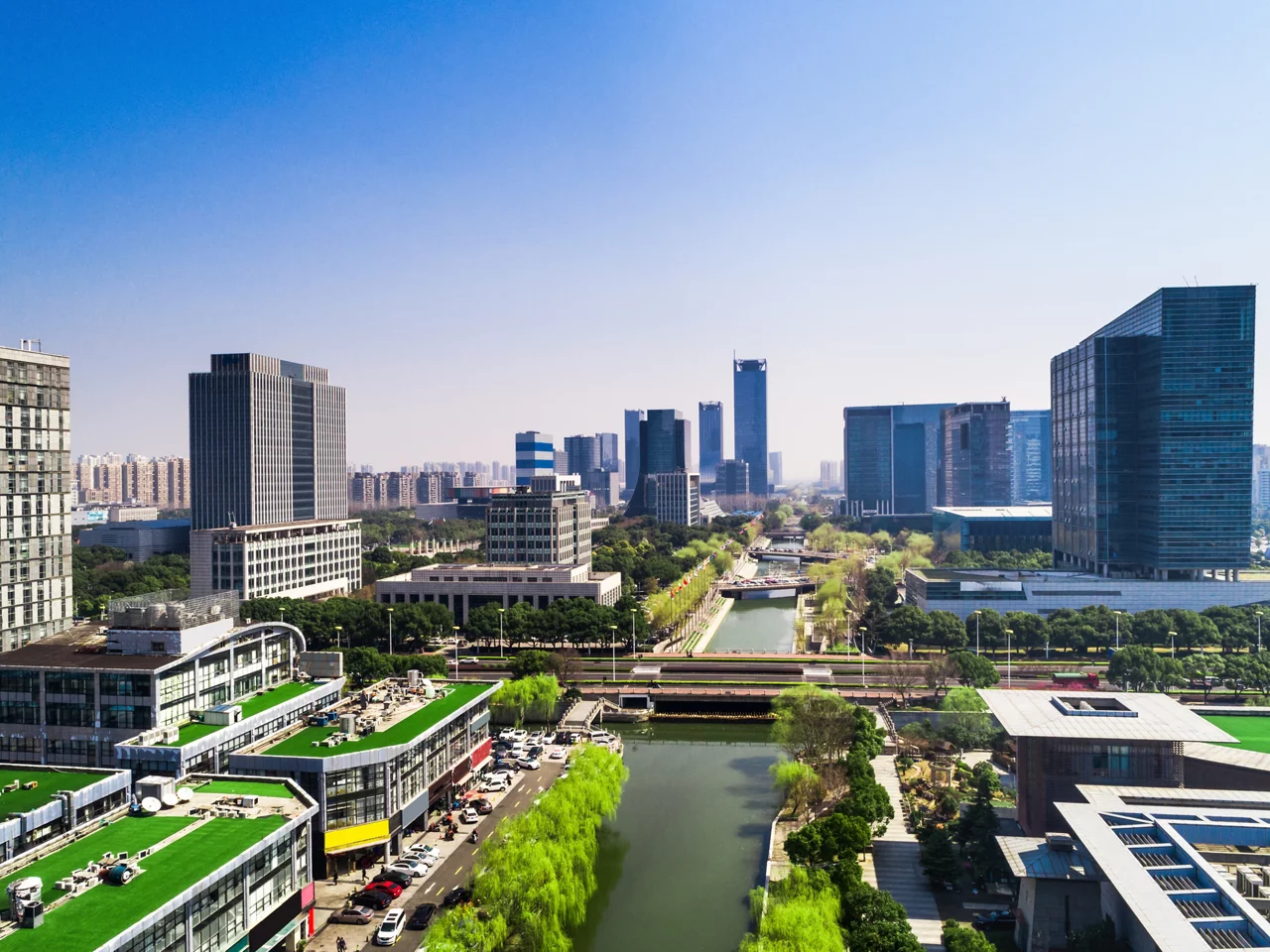
To secure its future as a global hub for talent, Dubai will need to redefine its approach to affordable housing. The era of focusing solely on building new units needs to give way to an evolved and holistic strategy: the creation of a managed, self-sustaining housing ecosystem. This would lead to a lasting success that isn't measured by physical infrastructure, but by community vitality and economic resilience. It is this focus on management that will transform blueprints into thriving communities and secure Dubai's legacy for generations to come.
The affordable housing solution can either be an integrated one or through building dedicated connected communities as follows:
Integrated affordable housing and the 15-minute city
Enhanced accessibility and equity: When affordable housing is woven throughout neighbourhoods rather than concentrated in isolated areas, residents gain equitable access to jobs, schools, healthcare, and retail within walking or cycling distance. This prevents the creation of "transit deserts" where low-income residents face long, expensive commutes to access opportunities.
Diverse economic ecosystem: Mixed-income communities support a broader range of local businesses and services. From corner stores to professional services, creating the economic diversity essential for a thriving 15-minute neighbourhood. Workers across income levels can live near their places of employment, reducing transportation burdens.
Stronger social cohesion: Integration breaks down economic segregation and fosters cross-class interactions in shared spaces like parks, schools, and local businesses. This builds social capital, reduces stigma, and creates networks that benefit all residents through knowledge sharing, mentorship, and community support.
Sustainable urban form: Distributed affordable housing supports compact, walkable development patterns rather than sprawling, car-dependent affordable housing complexes on the urban periphery. This creates the population density needed to support transit, local businesses, and community amenities within walking distance.
Reduced displacement pressure: When affordable housing is available throughout the city, it keeps the demand for redevelopment and higher prices from focusing only on a few neighbourhoods. This prevents rapid changes and displacement in those areas, and instead, allows growth and change to be spread more evenly across the whole city.
Building communities
The success of such projects extends beyond the physical structure. Quality of life should be at the core of any solution. It is about creating livable and connected communities for the residents. It depends on integrated, mixed-use developments planned with people at their heart. This means prioritising:
- Seamless public transport connectivity to ensure residents can easily access jobs and other parts of the city without relying on a personal vehicle.
- Essential services within walking distance, including grocery stores, clinics and schools, to meet daily needs and to create genuine community connections.
- Thoughtfully designed spaces like parks, plazas and multi-purpose halls that encourage social cohesion and create local economic opportunities for small businesses and entrepreneurs.
Singapore's Housing Development Board offers a compelling case study, where 80% of residents live in public housing that successfully integrates these elements. This "Neighbourhood Renewal Programme" ensures that "affordable" never means "isolated," but rather signifies a gateway to a well-supported and engaging lifestyle.
A sustainable affordable housing solution should consider the following:
Financial innovation
Access to capital can be a barrier for both developers and potential homeowners. A sustainable ecosystem requires a new generation of financial products designed to address this challenge directly. For homebuyers, this means enhancing the accessibility of financial products, such as expanding Sharia-compliant mortgage options and creating government-backed programs that lower down-payment barriers, making homeownership attainable for a wider segment of the population. For developers, including instruments like bridge financing specifically tied to affordable housing commitments, which can provide the liquidity needed to initiate projects and de-risk their investment. A dedicated affordable housing fund, created through a partnership between the Dubai Government and entities like the Islamic Development Bank, could replicate Abu Dhabi's success in mobilising AED 3.5 billion for middle-income housing. Combined with strategic allocations from the Public Pension Fund, it would create a powerful financial engine that addresses both supply and demand.
Globally, mature markets employ a range of financial assistance programs to enable this. These include mechanisms like Land Value Capture, where a portion of the land value increase from public investment is recovered to fund public goods like affordable housing. Other tools include public Gap Financing to fill funding shortfalls in affordable projects and dedicated Housing Trust Funds capitalised through public revenue streams. The most resilient housing programs globally operate independently of political cycles through self-replenishing funds. Vienna's social housing program, financed by a permanent 1% wage tax, creates a revolving fund that loans capital for new construction and recycles repayments into future projects. This is an example of a model that demonstrates the long-term thinking that Dubai could consider.
Technology integration
Smart building technologies reduce both construction and long-term operational costs, making affordability feasible on a large scale. For example, modular construction methods can shrink building timelines by 30-40%, leading to significant labour savings and faster unit delivery to the market. For residents, energy-efficient designs and materials directly lower utility expenses, enhancing affordability throughout the building's lifecycle.
Furthermore, digital tools like Building Information Modelling (BIM) improve space efficiency and resource management from the earliest design stages. As Dubai's Property Technology Hub continues to foster innovations like 3D printing for construction components, the industry must explore these alternative methodologies. By embracing a tech-forward, sustainable approach, developers can make previously marginal projects financially feasible, ultimately increasing the overall housing supply.
Regulatory incentives
A robust financial strategy is most effective when paired with a supportive regulatory framework. Mature markets use various incentives to de-risk development and make affordability financially viable.
- Zoning and planning incentives: These tools reshape what is possible to build. Density Bonuses allow developers to build more units than normally permitted in exchange for including affordable units, directly offsetting the cost. This is often paired with fast-track permitting for affordable projects, which reduces costly administrative delays and parking requirements, significantly lowering construction costs, especially in areas well-served by transit.
- Tax-based incentives: These are a powerful lever to attract private capital. The most prominent example is the Low-Income Housing Tax Credit (LIHTC) in the U.S., which provides developers with a dollar-for-dollar tax credit, creating a reliable stream of private investment for affordable projects. Other common tools include property tax abatements, which reduce a project's ongoing operational costs for a set period, making lower rents feasible.
- Development cost reductions: This approach directly tackles upfront expenses. This is often achieved through public land disposition, where government-owned land is made available at a reduced cost or via a long-term lease, or through waivers for impact fees, building permits, and utility connection fees.
- Cross-subsidy mechanisms: These mechanisms link market-rate development to affordable housing funding. Commercial linkage fees, for example, are charged to new commercial office or retail developments to mitigate their impact on housing demand, with the revenue directed at an affordable housing fund. This is distinct from in-lieu fees, which allow a residential developer to pay into a fund as an alternative to building the required affordable units on-site.
Coordinated leadership
Bringing these interconnected elements together requires a centralised governing body. A dedicated government agency, building on frameworks within the Dubai Land Department, could take ownership of the affordable housing strategy. This body would be responsible for not just setting policies, but also for their timely updates and effective implementation. Acting as a single point of coordination between public and private sector stakeholders would eliminate disconnected efforts and drive unified progress. This approach, mirroring Singapore's successful model, would also ensure consistent monitoring, periodic reporting and full transparency, building trust and accountability across the ecosystem.
Clear policy, measurable results
A supportive regulatory framework provides clear parameters for all participants. The key policy refinements could include:
- A clear definition of “affordable” based on specific income brackets and household size to ensure consistency and proper targeting.
- Mandatory affordable housing quotas in premium developments to create socially balanced and diverse communities. However, this needs to be carefully studied in terms of its mechanics in order to avoid compromising project feasibility for areas where land prices are particularly high and where the affordable housing quota would result in a negative impact on overall returns.
- Streamlined approval processes for qualified projects to reduce administrative delays and encourage private sector participation.
An example of how clearly defining "affordable" can make or break a housing strategy is Canada's broad "30% of pre-tax income" rule, which has created a delivery gap, leaving "affordable" units out of reach for those who need them most. Germany uses the Wohnberechtigungsschein (housing eligibility certificate) to set clear income limits, ensuring resources reach the right households. This precision in targeting transforms good intentions into measurable outcomes.
Transparency through diligent tracking and measurement creates a vital feedback loop. Monitoring cost-to-income ratios, unit supply, and resident satisfaction allows for agile, evidence-based adjustments, ensuring strategies remain effective and responsive.
A program, not just a project
Ultimately, affordable housing must be treated as a managed program, not one-off projects. Simply building low-cost housing is not enough; the solution must be continuously monitored and adapted to serve its purpose over the long term. This sustained effort is important for Dubai's economic progress. Ensuring all residents are well-served and have a high quality of life directly elevates the entire society. Buildings designed with operational excellence in mind and managed as part of a holistic ecosystem will become the true landmarks of Dubai's future.
Creating a managed affordable housing ecosystem requires navigating complex financial structures, regulatory frameworks, and stakeholder coordination—challenges that demand specialised expertise. JLL's team brings together deep local market knowledge, proven international best practices, and the cross-sector experience needed to turn ambitious housing strategies into deliverable outcomes. To discover how our comprehensive approach can transform housing insights into successful communities, visit JLL MENA.