The future of urban planning: Mixed-use spaces where experience comes first
09 March 2026
Insight
09 March 2026
Shaping tomorrow’s cities starts with what people want now
Categories:
Authors
Ruth Hynes
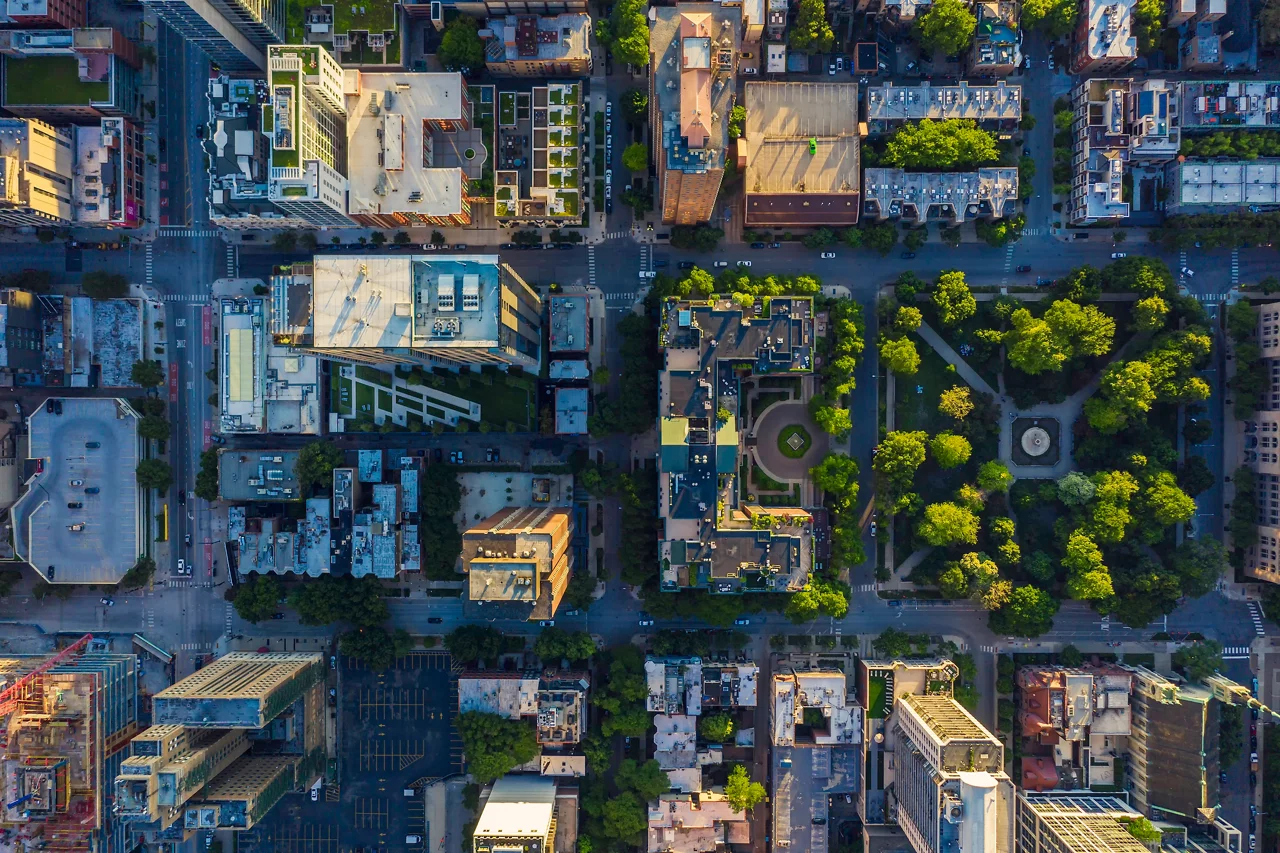
Across global markets, a clear signal is emerging from consumers, workers and residents alike: to thrive, cities need to deliver a more human-centric experience. People want neighborhoods and destinations that support dynamic daily life and foster connection. For developers and investors, this amped-up focus on experience is reshaping what makes an urban project relevant and resilient.
Research backs up this shift. JLL’s Global Consumer Experience report, drawing on data collected from 12,000 respondents across 19 markets and 64 cities, found that more than two-thirds of respondents expect high-quality, wellness-enhancing experiences integrated into the spaces where they live, work and spend time.
Developments that align with these preferences are better positioned to capture demand, sustain engagement and support long-term value. Understanding what exactly that will take requires a closer look at how people define and measure experience.
Experience has become the baseline
By the time development and investment teams narrow a shortlist of urban opportunities, experience is already part of the conversation. With today’s high consumer expectations, subtle differences in design and amenities can determine whether a place thrives.
People expect environments to work harder for them throughout the day. They look for safe and healthy places where they will enjoy spending time and can navigate easily. Multi-purpose destinations are preferred by 73% of survey respondents, and 69% are willing to pay more for high-quality experiences. Safety, convenience and fun are consistently ranked among the top drivers of return visits, while family-friendly and inclusive environments have grown in importance over the past year.
Mixed-use development is a primary vehicle for these urban experiences, but its role has evolved. Simply combining workplace, retail and leisure isn’t enough. Today, success comes from curating those uses intentionally — connecting them in ways that feel coherent versus crowded, familiar versus generic.
Think: workplace neighbourhoods with curated retail offerings and innovative entertainment options, and bustling complexes with cafés, food markets and landscaped green spaces that keep you coming back for hours at a time.
Three keys to experience-led development
The research highlights what matters most for investors and developers evaluating urban development opportunities today.
1. Social connection defines experience value.
Social factors are among the strongest influences on perceived quality of life. Feeling safe, having a sense of belonging, and access to amenities consistently shape how people experience cities. Yet only 66% of respondents feel strongly connected to their local community, revealing a gap that thoughtful developments can address.
Mixed-use environments are particularly suited to this challenge. Social spaces — cafés, community hubs and informal gathering areas — rank among the most visited amenities worldwide, while green spaces are prioritized by 88% of respondents when choosing where to live. These kinds of environments enhance mental and physical wellbeing and act as social infrastructure, inspiring interaction as well as a desire to return.
In many European cities, where density is high and public spaces carry long-standing civic importance, green and social spaces correlate strongly with perceived quality of life. In Asia-Pacific, frequent use of parks and public amenities reinforces the role of those spaces as everyday extensions of home and work life.
2. Sustainability is becoming experiential.
Environmental quality has emerged as a key differentiator in urban development. Clean air, clean streets and access to greenery consistently rank as top priorities, influencing where people choose to live, work and play. Overall, sustainability resonates most when it’s tangible and accessible. People respond to biophilic design, local sourcing and visible green spaces more than abstract commitments alone.
But exactly how sustainability factors into decision-making varies regionally. For example, across EMEA and APAC regions, public transport plays a stronger role in perceived quality of life, as reliability and access influence both residential and workplace choice. In contrast, in many U.S. cities, higher reliance on personal vehicles shifts how commute tolerance and amenity access factor into development decisions.
3. Flexibility, personalization and technology support longevity.
Delivering consistently high-quality experiences across different asset types is a complicated job. People seek calm in some spaces and energy in others, personalization in retail, and inclusivity across all of it. Technology and flexible design make this possible.
Adaptable building systems and modular fit-outs help developments evolve as preferences change, helping them stay relevant over time. Digital tools and AI take it further, enabling personalized experiences that reflect how people increasingly view spaces as extensions of their identity and values. Navigation gets smoother, programming matches visitor expectations and interactions feel tailored.
Millennial preferences are leading this charge. Their purchasing decisions prioritize alignment with personal values (family, ethics, community) over transactions alone, and they expect the places they frequent to reflect those values. This generation first normalized personalization across products and retail, and now they're bringing that spirit to the broader environments that make up a city.
Building the future people want
Taken together, these insights show what it will take to create vibrant, future-ready urban spaces. For developers and investors, the takeaway is not simply that experience matters, but that experience can be assessed, planned for and delivered with intention.
When evaluating mixed-use opportunities, key questions include:
- Does the development offer reasons to visit throughout the day and week?
- Are social and green spaces integrated as core amenities?
- How clearly does the experience reflect local culture and behavior?
- Is the design flexible enough to adapt over time?
- Can sustainability and wellbeing be felt directly by users?
Listening — to data, to communities and to regional nuance — is becoming a shared advantage for developers and investors alike. By centering experience in every decision, you can create urban spaces that delight users today and deliver lasting value tomorrow.
Learn more about how JLL can help with urban planning and development.