Why semiconductor location strategy is being rewritten in the age of AI and geopolitics
27 February 2026
Insight
27 February 2026
Remapping the global semiconductor industry
Categories:
Authors
Scott Redabaugh
Matthijs Weeink
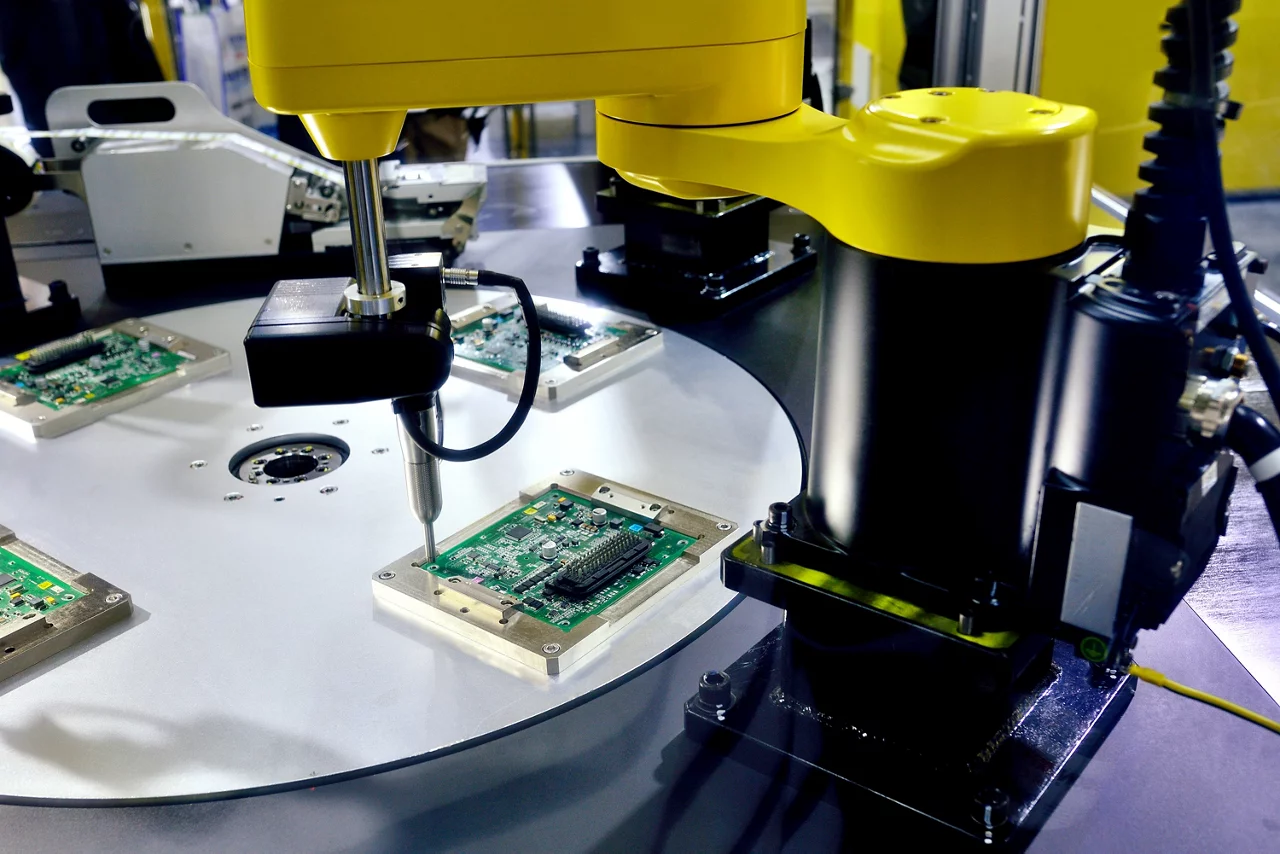
Semiconductors are at the center of today’s most critical technologies, from artificial intelligence and high-performance computing to advanced automotive systems and national security infrastructure. As demand accelerates, the industry is undergoing a “Great Rebalancing,” driven by economics, geopolitics, policy intervention, and supply chain resilience.
AI is fundamentally changing the physical footprint of semiconductor manufacturing and is transforming the physical fabrication plant, or “fab,” from a passive container into a critical, active instrument of manufacturing. The fab is strategic enabler of production, innovation, and market leadership.
For semiconductor companies, a successful location decision is no longer driven solely by cost and talent. Location decisions now are among the most complex and consequential strategic choices they will make this decade.
Our latest insight report explores how leading organizations are navigating a new, more complex set of strategic variables and how the right location strategy can unlock long-term competitive advantage.
Why are traditional location models falling short?
Historically, semiconductor investments followed a relatively clear logic which was to have access to specialized labor, reliable infrastructure, and low operating cost. However, the explosive growth of AI workloads—projected to expand at a 41.5% CAGR through 2030—supply chain disruptions and trade tensions, along with government intervention such as subsidy programs that actively direct capital driving regionalization have all changed the rules.
Historically, manufacturing footprints were concentrated in regions such as Taiwan and the Netherlands, but those areas now present resilience challenges due to geopolitical, environmental, or infrastructure concerns. Public policy and national security priorities are also shaping where capital investment goes.
Also, the semiconductor value chain has become more fragmented. R&D, fabrication, and advanced packaging each have unique needs for talent, utilities, energy reliability, water access, and ecosystem maturity, which means that finding a one-size-fits-all location is impractical.
How are global investment patterns changing?
The “Great Rebalancing” is reorganizing the semiconductor industry’s global investment strategies. Semiconductor investment is moving towards a more diversified and policy-driven global footprint. The United States, for example, is attracting new wafer fabrication plants, and Southeast Asia is gaining investment through “China Plus One” strategies. India is also solidifying its role as a critical R&D hub.
This new strategic shift means that integrated location intelligence must balance functional needs, incentive optimization, geopolitical risk mitigation, and long-term ecosystem viability.
What does a modern semiconductor location strategy require?
Successful organizations have to move beyond cost modeling and embrace a broader, more strategic framework, which includes:
Balancing functional needs across R&D, fabrication, and packaging operations
Maximizing incentive ROI from multi-billion-dollar government programs actively directing capital
Mitigating geopolitical risk by building a more resilient, diversified global footprint
Validating ecosystem viability to ensure locations can support long-term growth and operational stability
How can organizations turn complexity into competitive advantage?
Making the right semiconductor location is more critical—and more complex—than ever. Our latest insight outlines how leading organizations can remap the semiconductor industry through intelligent location decisions.