The country combines strategic connectivity, industrial growth, and modern infrastructure
07 September 2026
Insight
07 September 2026
Dominican republic: The industrial and logistics hub transforming the caribbean
Categories:
Authors
Leonardo Ramirez
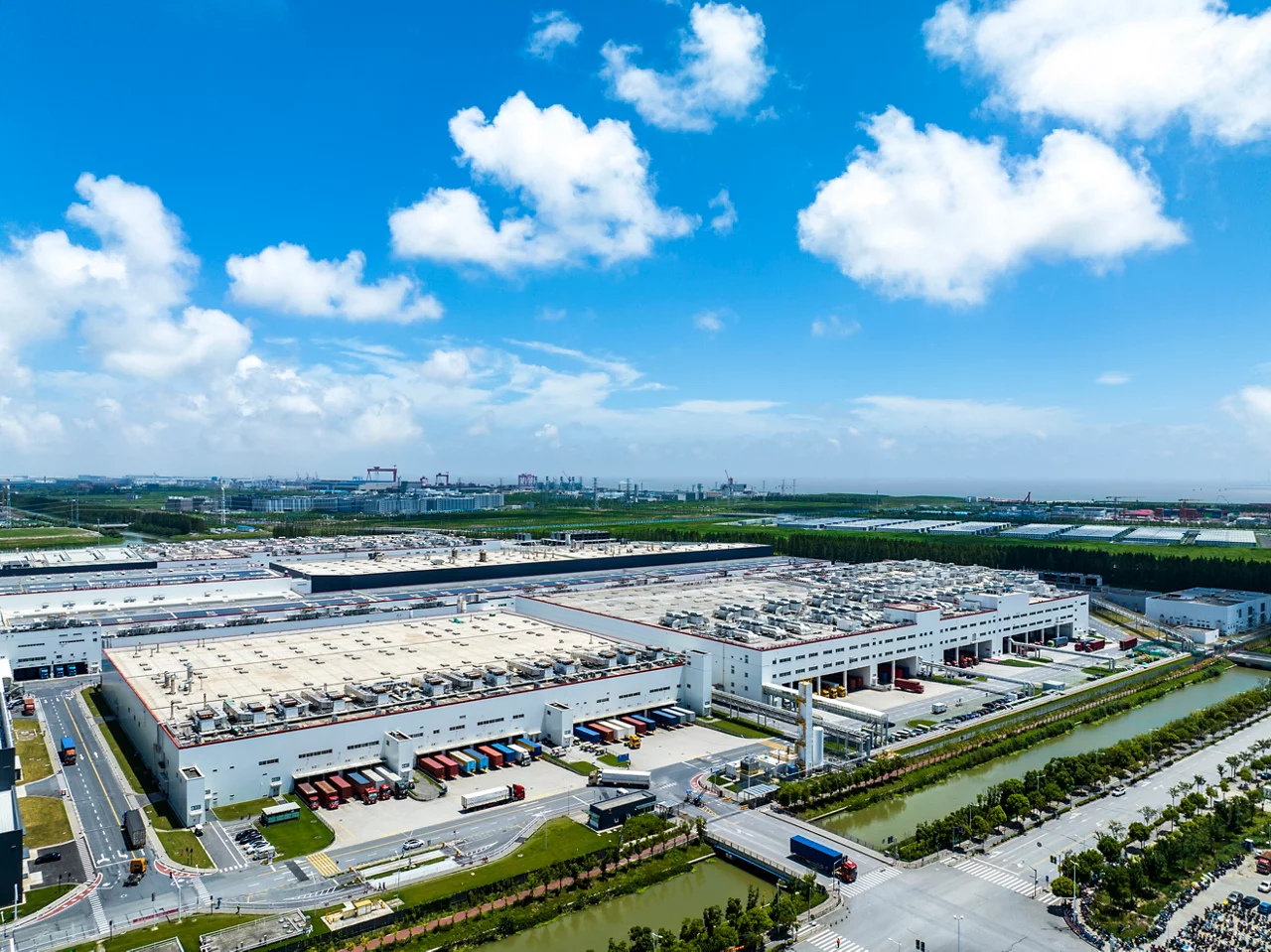
For years, the Dominican Republic has been globally recognized as one of the world’s leading tourism destinations. The 11.7 million visitors received in 2025 reflect the strength of an industry that has successfully positioned the country on the international stage. Today, however, the country’s economic narrative extends far beyond tourism.
The Dominican Republic is emerging as a strategic platform for manufacturing, logistics, and industrial real estate investment, driven by the reconfiguration of global supply chains, the rise of nearshoring, and its privileged geographic location in the Caribbean.
Its proximity to the U.S. East Coast, combined with strong maritime and air connectivity to Europe and Latin America, positions the country as an attractive destination for companies seeking more resilient and efficient supply chains closer to their consumer markets.
An additional competitive advantage is the Dominican diaspora in the United States, which exceeds 2.4 million people. Many possess professional and business experience in international markets while maintaining strong ties to the country, fostering business connections, facilitating knowledge transfer, and generating new investment opportunities.
The results of this transformation are already visible. Over the past decade, the Dominican Republic has attracted more than US$35 billion in foreign direct investment, according to ProDominicana. In 2025 alone, foreign direct investment surpassed US$5 billion.
More importantly, the country is not only growing in scale but also in sophistication. Its economy is becoming increasingly diversified, supported by specialized industrial sectors and a clear strategy to integrate into the evolving dynamics of global trade.
Part of the country’s success stems from understanding a fundamental principle: it is not always necessary to reinvent the wheel. The Dominican Republic has carefully studied successful models in markets such as Costa Rica, Mexico, and Panama, adapting their best practices to its own context in order to build a more competitive and modern platform.
A New Industrial Generation Takes Shape
The Dominican industrial real estate market clearly reflects this evolution. In Santo Domingo and surrounding areas alone, industrial inventory totals approximately 3.5 million square meters, of which 2.2 million are dedicated to logistics and 1.3 million to manufacturing. However, only 13% of the inventory consists of Class A space, while the majority remains concentrated in Class B and Class C assets.
This imbalance represents a significant opportunity for investors and developers seeking to meet growing demand for modern and efficient infrastructure.
At the same time, free trade zones continue to consolidate their position as one of the country’s primary economic engines. Since 2020, direct employment in the sector has increased by 67%, reaching nearly 200,000 jobs by the end of 2025. In addition, more than 185,000 square meters of specialized industrial facilities have been added since 2024.
Dominican manufacturing is also evolving toward more sophisticated industries. The country hosts operations for five of the world’s ten largest medical device manufacturers, while the electronics and electrical equipment segment has become the second-largest export category within the free trade zone sector.
The industries that currently form a significant part of the country’s strategic focus include medical devices, logistics, electronics and auto parts, jewelry, and contact centers and BPOs. In these sectors, strategic location, connectivity, and bilingual talent create meaningful competitive advantages.
This transformation is also reflected in a new generation of industrial and logistics parks. Notable developments include Savanna Free Zone in Boca Chica, developed by Grupo Estrella; A1 Parque Logístico in La Guáyiga-Duarte; and Hispaniola Industrial Free Zone Park in San Antonio de Guerra. At the same time, established parks such as Zona Franca Las Américas, Zona Franca Santiago, PIISA, and Zona Franca San Isidro continue strengthening the country’s industrial ecosystem.
Infrastructure investment has also enhanced the Dominican Republic’s logistics competitiveness. Projects such as the Santo Domingo Ring Road and the expansion of Caucedo Port have significantly improved connectivity and operational efficiency for trade and regional distribution.
The Next Challenge: Accelerating Competitiveness
The Dominican Republic has the foundations necessary to establish itself as one of the Caribbean’s leading industrial and logistics hubs. However, the next phase of its development will depend on its ability to continue strengthening competitiveness.
Customs modernization, process digitalization, logistics automation, and infrastructure improvements will remain critical priorities. Another major challenge will be preparing the workforce to meet the demands of increasingly specialized and technology-driven industries.
These challenges are not unique to the Dominican Republic. They are part of the broader agenda across Latin America and the Caribbean as countries compete to attract nearshoring-related investment. Nevertheless, the Dominican Republic has demonstrated a notable ability to align the public sector, private sector, and academia around a shared vision of economic growth and transformation.
JLL: Supporting Growth Across the Caribbean and the Dominican Republic
At JLL, we have supported the evolution of the Dominican Republic’s real estate market for more than 15 years, working alongside multinational clients, investors, property owners, and developers across a wide range of market segments.
Our regional experience across Central America and the Caribbean enables us to understand how investment, logistics, and corporate occupancy trends converge in strategic markets such as this one. In the Dominican Republic, we have advised corporate clients on securing office space in Piantini, one of the Caribbean’s most competitive office submarkets; conducted valuations and Highest and Best Use (HBU) studies in Punta Cana and surrounding areas; participated in consulting assignments for real estate developments; and continuously marketed industrial properties throughout the country.
We view the Dominican Republic as a market with strong fundamentals, a strategic location, and an increasingly important role in the industrial and logistics transformation of the Caribbean. For these reasons, we remain committed to supporting its growth and the opportunities it presents for investors and multinational companies seeking to expand across the region.