The Impact of Africa’s Demographic Changes on the Future of Work and the Office Sector in Africa
11 February 2024
Insight
11 February 2024
Working in Africa: More than a livelihood
Categories:
Authors
Wayne Godwin
Shadrack Mella
Lucy Githinji
Mieke Purnell
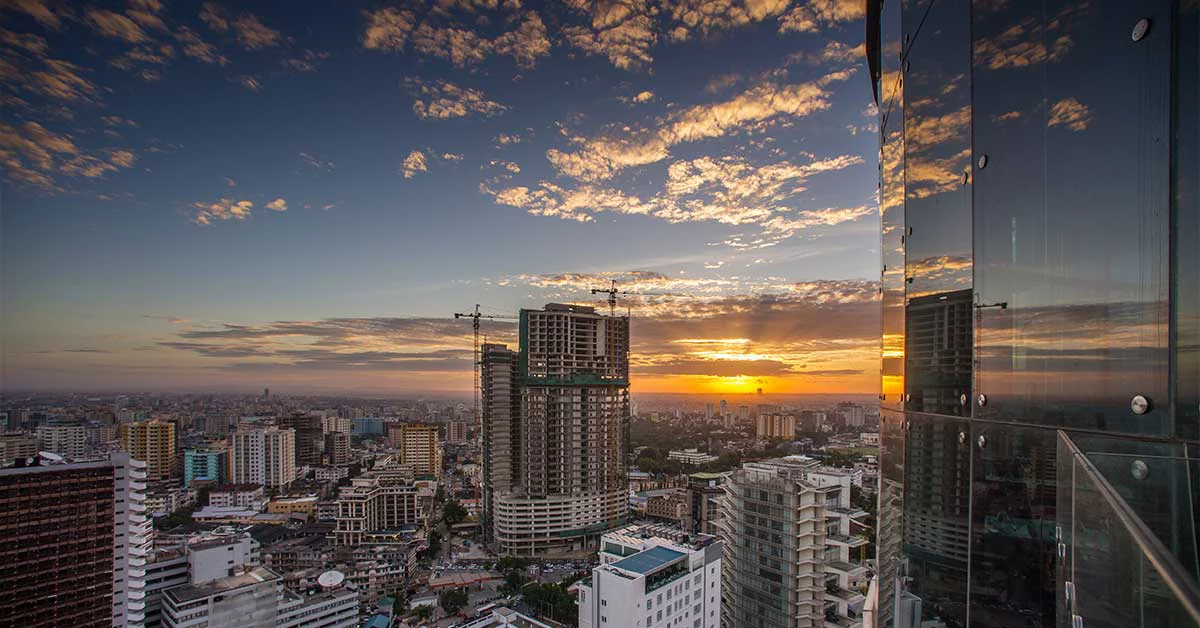
In “Working in Africa” we delve into the crucial questions surrounding Africa’s evolving workforce and the implications for commercial real estate.
As Africa’s population rapidly grows and urbanises, the continent is poised for significant economic and social development. By 2050, Africa is projected to be home to over two billion people, a quarter of the global population. The demographic dividend resulting from this youthful population entering the formal workforce presents an opportunity for Africa to become a major player in the global economy, with income per capita potentially rising by 25% by 2050 and 55% higher by 2100.
Our report highlights the importance of adapting office spaces to accommodate these changing dynamics. It explores the rise of hybrid working, as evidenced by JLL’s biennial global Future of Work survey results, where two-thirds of corporate real estate decision makers agree that the office will remain central to their organisation’s work ecosystem. The focus is clearly shifting from a functional workspace to collaborative hub that fosters culture, social connections, and employee well-being.
This is manifested through themes such as sustainability and green building practices that are gaining traction in African markets, driven by the increasing awareness of the environmental impact of the built environment and additional ESG factors.
The growing demand for green buildings, exemplified by the growing number of certifications across the continent, reflects the continent’s commitment to creating sustainable workplaces and reducing its carbon footprint.
We also highlight the influence of hospitality, and the concept of “space as a service” on the future of office spaces. Drawing inspiration from hotels, offices are being designed to prioritise wellness, productivity, and convenience. With the rise of co-working spaces in many African cities, it is becoming increasingly important for businesses to and individuals to access flexible workspace on a short-term basis, allowing for scalability and agility in their operations which is crucial within the African business context.
Our report provides valuable insights into navigating the changing landscape of commercial real estate in Africa, focussing on the rise of hybrid working, the importance of sustainability in real estate, and the evolving dynamics of the workplace.