Capturing opportunity as the market transitions from recovery to expansion
05 June 2026
Insight
05 June 2026
The next chapter for Egypt’s hospitality industry
Categories:
Authors
Ahmed Zahran
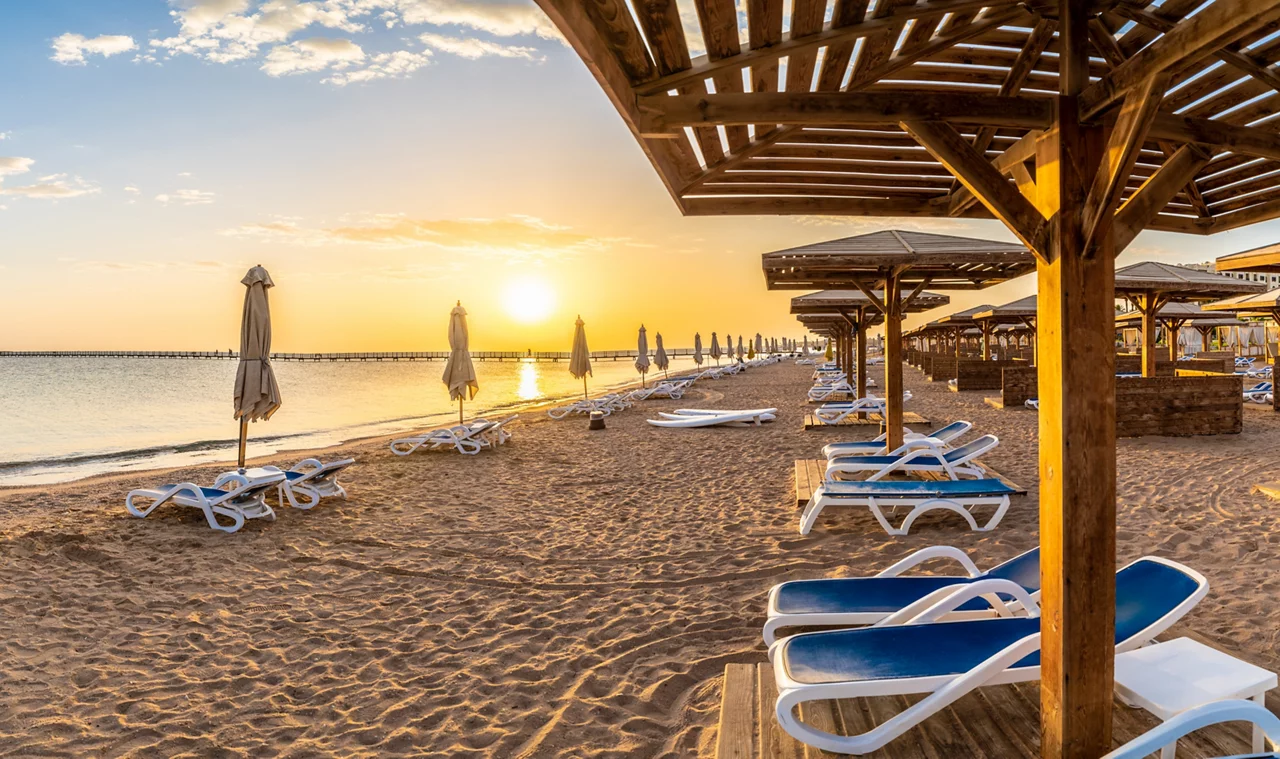
Egypt’s hospitality sector has entered what may be its most consequential phase in decades. Following several years of global and regional volatility, the market delivered record‑breaking performance in 2025 and is now clearly transitioning from recovery into sustained expansion. Strong demand fundamentals, significant national investment, and rising global visibility are reshaping Egypt’s tourism landscape and reinforcing its long‑term growth outlook.
Against this backdrop, the opportunity for owners, operators, and investors is increasingly compelling. As the market matures, however, the next phase of growth places greater emphasis on quality, execution, and long‑term thinking - factors that will increasingly differentiate performance across assets and destinations.
A clear market inflection point
Recent performance confirms that Egypt’s hospitality market has moved beyond cyclical recovery. International arrivals, occupancy levels, and revenues have surpassed pre‑2019 benchmarks, signalling renewed confidence in Egypt as a competitive and increasingly sophisticated destination.
This inflection has been reinforced by a strengthened tourism narrative. The opening of the Grand Egyptian Museum has elevated Egypt’s global profile and repositioned Cairo and Giza as destinations capable of supporting longer stays and higher‑value travel. When combined with improved air access and favorable pricing dynamics, these developments have created one of the most supportive operating environments the sector has experienced in recent years.
Structural demand drivers supporting sustainable growth
Importantly, this momentum is underpinned by structural, rather than cyclical, demand drivers. Cultural and heritage tourism remains central to Egypt’s appeal, with Cairo, Giza, Luxor, and Aswan increasingly connected through richer, multi‑destination itineraries. This evolution supports longer lengths of stay, stronger average rates, and sustained demand for upscale and luxury accommodation.
At the same time, air connectivity continues to expand, widening Egypt’s source‑market base and improving accessibility across both urban and resort destinations. Government‑led initiatives under Vision 2030 further reinforce this trajectory. Visa reform, infrastructure investment, airport modernization, and hotel capacity programs are collectively enhancing the ease, quality, and consistency of travel into the country.
Leisure resort demand remains a stable anchor within this broader growth story, particularly along the Red Sea, where Egypt’s all‑inclusive model continues to perform strongly on a global scale. In parallel, corporate and MICE demand is gradually diversifying, supported by the development of the New Administrative Capital and the emergence of new government and business hubs beyond traditional city centers.
A supply landscape with meaningful upside
On the supply side, Egypt’s hotel market is both sizable and diverse, yet it remains structurally under‑branded. A significant proportion of existing hotels are independently operated, creating clear opportunities for brand affiliation, repositioning, and quality enhancement. For many owners, international brand partnerships offer a practical pathway to stronger distribution, improved operating standards, and enhanced long‑term asset value.
Development activity is increasing, particularly in Cairo and Giza, where new supply is aligning with long‑term demand drivers and urban expansion. Resort markets, by contrast, continue to follow a more measured growth trajectory, supporting performance stability. Across both segments, interest in renovations, rebrands, and adaptive reuse is rising, reflecting a focus on efficient routes to market while upgrading product quality and guest experience.
Managing complexity through experience and planning
As activity accelerates, managing complexity becomes increasingly important. Hospitality developments are inherently multifaceted, requiring careful integration of design, brand standards, operations, and delivery timelines. In Egypt, this complexity is further shaped by the need to modernize legacy assets, navigate evolving cost environments, and coordinate diverse stakeholder groups.
These dynamics highlight the value of early planning and informed decision‑making. Projects that benefit from clear briefs, early operator engagement, integrated consultant teams, and disciplined change management are consistently better positioned to achieve timely openings and strong operational readiness. A growing focus on standardization, early mock‑up approvals, and lifecycle‑driven design is helping projects balance quality, cost control, and long‑term performance.
Considering the national 2030 vision, and the current potential in the hospitality sector, it became crucial to manage all the relevant complexities to deliver on time as the consequence of a delay is not merely a construction setback. A delayed hotel opening means lost room revenue, disrupted operator launches plans, deferred staff mobilization, missed marketing windows, and compressed investor returns. The clock starts the moment the project brief is set — and often before.
Outlook converting momentum into long‑term value
Looking ahead, Egypt’s hospitality sector is well positioned for continued growth and gradual re‑rating. Demand is expected to build toward long‑term national tourism targets, brand penetration is likely to increase, and new hospitality concepts will continue to emerge across urban, resort, and mixed‑use destinations. Capital interest is also broadening, supported by improving transparency, scale opportunities, and a maturing development environment.
The fundamentals are aligned. The opportunity now lies in converting today’s momentum into resilient, future‑ready hospitality assets. As the market continues to evolve, projects that combine strong locations with thoughtful design, operational insight, and disciplined delivery will be best placed to generate sustainable value and support Egypt’s long‑term tourism ambitions.
As hospitality investment accelerates, JLL’s Project & Development Services team supports owners, operators, and investors across Egypt in delivering hotel new builds, fit‑outs, renovations, and repositioning projects, combining deep local market knowledge with global hospitality expertise. Contact us to explore how we can support your new hotel development or asset refresh strategy