With a new wave of stadium redevelopments on the horizon, sports-anchored mixed-use is becoming a core long-term value strategy.
23 June 2026
Guide
23 June 2026
Why stadium districts are winning at mixed-use
Categories:
Authors
Jacob Rowden
Sean McNamara
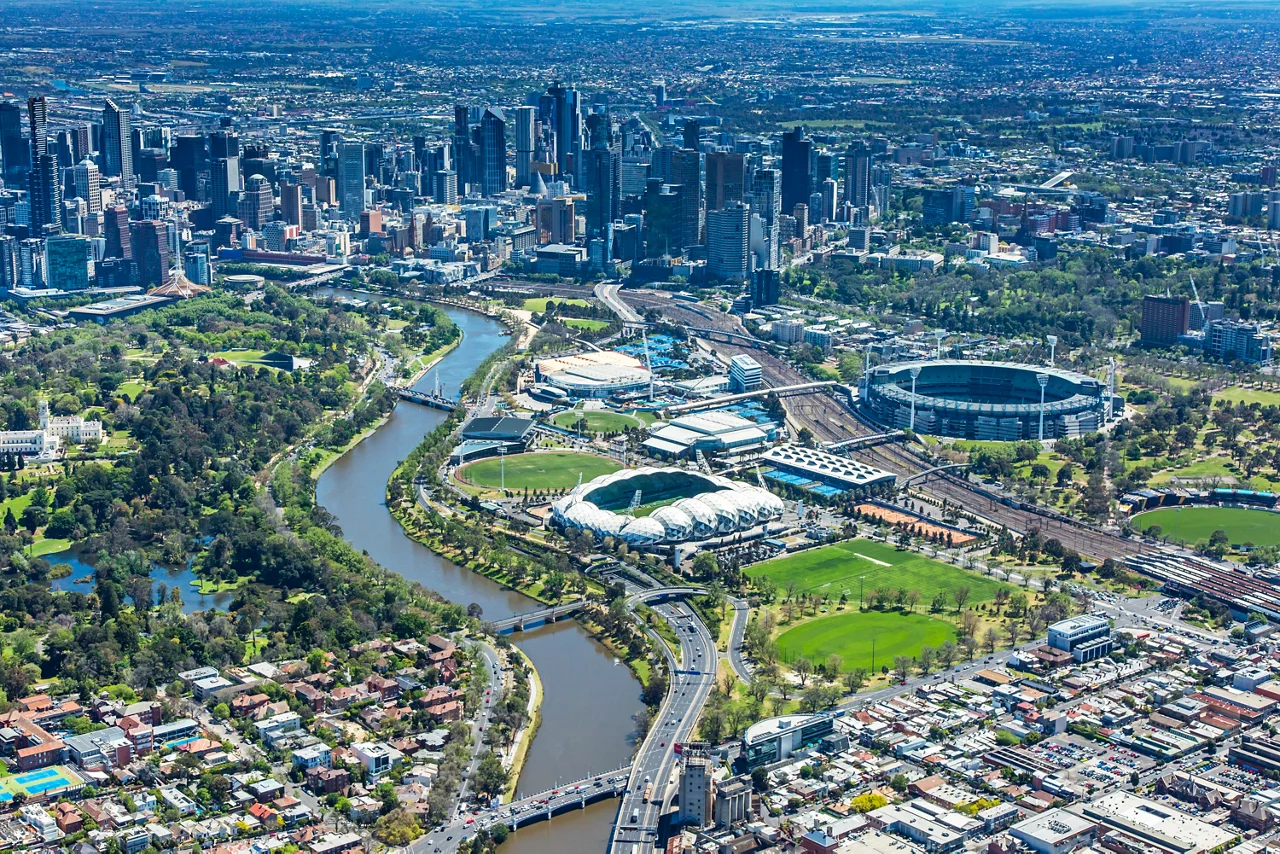
For decades, sports and entertainment venues were designed to accommodate peak demand on game days rather than support continuous use. That model is now being reimagined, as JLL research shows that by 2040 at least half of MLB organizations will pursue a new stadium or major redevelopment.
Many investors and developers are now repositioning sporting venues as anchors within a broader ecosystem that blends residential, office, retail, and hospitality, creating year-round activity. These lifestyle districts often command rental premiums and achieve higher occupancy rates than past development models. For investors, the advantage of these models lies in their ability to diversify revenue streams and reduce reliance on event-driven performance.
In this whitepaper, you'll discover why integrated stadium districts are outperforming stand-alone venues, commanding rental premiums and higher occupancy rates. We examine untapped opportunities in underutilized spring training facilities, explore how women's sports are driving unprecedented facility demand, and reveal the strategic design principles that transform seasonal assets into 365-day destinations. For investors seeking to diversify revenue streams and reduce event-driven reliance, this report provides the critical insights needed to evaluate and execute long-term mixed-use opportunities in sports and entertainment real estate.
Want to learn more?
Get in touch with our research team to find out how we can support your real estate strategy with market insights and strategic advice.

Sean McNamara
Managing Director, Head of Mixed-Use Property Management