Vietnam’s retail landscape is expanding into provincial cities, embracing aviation-centric hubs and reinventing the mall experience.
21 August 2026
Insight
21 August 2026
Vietnam retail's evolving dynamics beyond the metropolis
Categories:
Authors
Xuan Nguyen
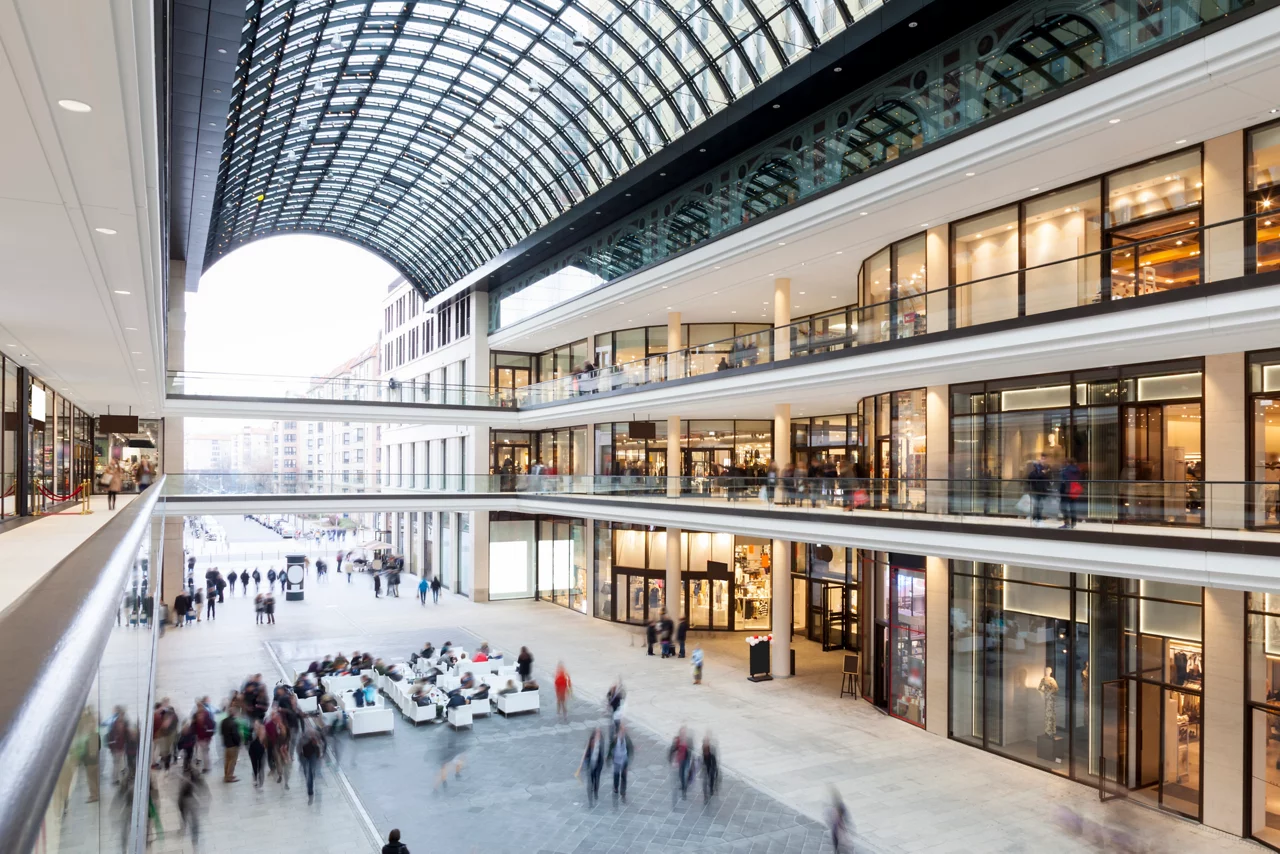
While HCMC and Hanoi remain the engines of retail growth in Vietnam, a deeper look reveals movements redefining the nation's commercial landscape.
Tier-2 provinces as the new frontier
This reality is evident in significant investment from major developers delivering modern retail space to provincial citiesLarge-scale developments are already in the pipeline through 2030, including Aeon Mall in Thanh Hoa and Aeon Mall Hoa Xuan in Da Nang. These future openings follow the momentum of recent completions, including Aeon Mall in Hue, Vincom Mega Mall Vu Yen in Hai Phong in 2025, and Aeon Mall Thanh Khe in Da Nangin 2026. This showcases a shift to a more distributed andlocalised retail strategy.
Figure 1: Notable retail developments in Vietnam Tier-2 provinces, 2025-2030F

Source: JLL Research
The emergence of aviation-centric retail development
Alongside this geographic diversification, Vietnam is creating powerful aviation-centric hubs with immense retail potential. Built to support national economic goals, retail space in these zones is being strategically target untapped spending from a growing number of international visitors.
Two distinct models are taking shape. The first model, the travel-focused lifestyle destination, is exemplified by the Sun Group-Changi Airports International partnership for Phu Quoc International Airport. This project aims to import expertise from the successful Jewel Changi to create a premier retail and duty-free shopping gateway for travellers. The second, more ambitious model is the aerotropolis. The vision for Gia Binh International Airport in Bac Ninh sets a new benchmark for this concept. Its masterplan integrates large-scale commercial centres shopping avenues and entertainment complexes. These facilities are purpose-built to servenot just travellers, but a planned community of residents and the high-income professional workforce from the adjacent Free Trade Zone.
However, the success of retail developments, whether in a provincial capital or a new aerotropolis, hinges on more than just location. To attract tenants and keep shoppers engaged, these developments must offer a superior experience. This necessity is driving transformation, not just in tenant mix and retailers’ experience offering, but in the design of the space itself.
Reinventing the retail space
While Vietnam's modern retail landscape has been dominated by the traditional enclosed mall, a design evolution is taking place - the "hybrid mall”. This concept blends the comfort of indoor, climate-controlled spaces with the welcoming atmosphere of integrated open-air plazas, terraces and green spaces. While this model has been increasingly popular in cities like Bangkok, it is an emerging trend in Vietnam, with early examples in SORA gardens SC in Thu Dau Mot (HCMC), which integrates a terraced public park and event hall directly with its shopping centre.
Figure 2: Illustration of hybrid mall design concept

Source: Unsplash, GettyImages
This hybrid philosophy is poised to differentiate the next wave of retail development in large-scale destination malls. It creates inviting, lifestyle-oriented spaces that function as public hubs, directly supporting a tenant transformation by attracting a more diverse and experiential mix of F&B, fashion, wellness and entertainment brands.
The path forward for investors and retailers in Vietnam is not just to expand their urban footprint, but to reimagine the commercial destination.