Metro connectivity boosts rents and occupier demand in Mumbai’s office market.
20 June 2025
Insight
20 June 2025
Metro connectivity transforms Mumbai's commercial real estate
Categories:
Authors
Rupesh Bauskar
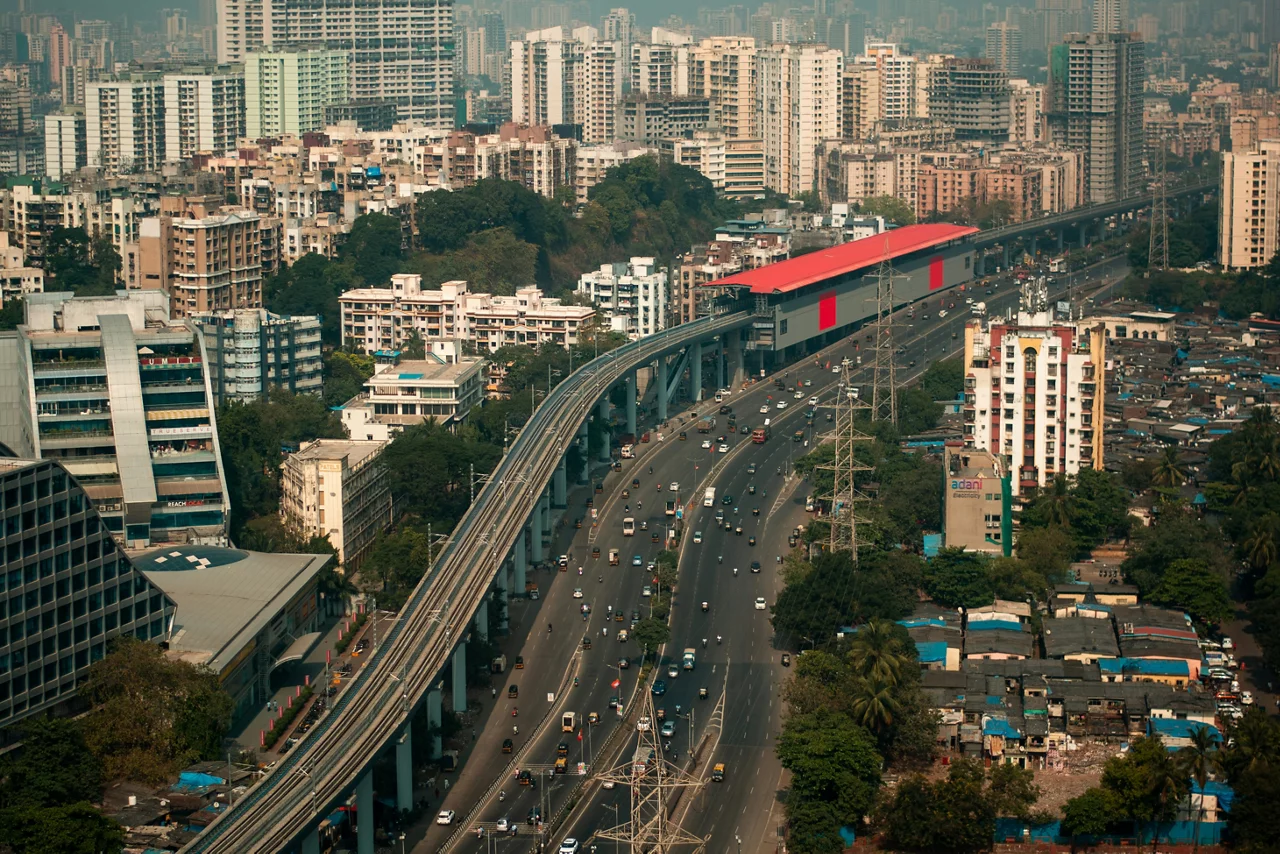
Mumbai's dynamic urban landscape is being reshaped by its expanding metro network. More than just easing traffic, the metro is transforming connectivity and sparking a revival of existing city clusters by linking residential and office areas. The existing local railway network is operating beyond capacity, carrying two to three times its intended load. Therefore, these metro routes are crucial for supporting multi-modal connectivity, enhancing mobility, improving quality of life and fueling residential real estate growth in the connected areas. The metro is effectively expanding the city's economic potential and reshaping traditional real estate dynamics.
The impact is already evident. Metro Lines 2A and 7, connecting key western suburbs, have demonstrably cut commute times and boosted demand for office spaces along their routes. This increase is reflected in the impressive rental growth, with the Western Suburbs office cluster (Malad, Goregaon) experiencing a y-o-y growth of 7% in 2023 and 9% in 2024, significantly higher than pre-COVID levels. Notably, projects located within 500 metres of the metro route have seen higher rent increases compared to those further away, highlighting the premium placed on proximity to the transit system. Global Capability Centres (GCCs) from the Banking, Financial Services and Insurance (BFSI) and consulting sectors, as well as media firms, are key tenants, accounting for a significant proportion of gross leasing activity in the market over the past two years. The robustness of both financial and physical parameters indicates the metro's appeal to key industries and its positive impact on development returns.
This trend is also evident in other areas of the city. Metro connectivity and Coastal Road have already underpinned the recent rental growth in the SBD Central (Lower Parel, Dadar, Worli) office cluster, with Worli being the main beneficiary. Worli has experienced an 11% rise in rents and can command a 15-17% premium over the Lower Parel cluster.
Figure 1: Metro lines – existing and upcoming


Source: JLL Research
Aqua Line (Metro Line 3) connectivity between Worli and Bandra Kurla Complex (BKC) is creating benefits for both areas. The average vacancy in prime BKC has already reached a ten-year low, ranging between 0-5%, with strong demand for the upcoming supply. New metro routes are effectively making existing business districts more attractive.
Looking ahead, newer metro lines (line 6 and 4) are creating opportunity hotspots across the city. Gandhi Nagar Junction (Eastern Suburbs) and Pratap Nagar Junction (Western Suburbs) along JVLR are relevant examples where improved connectivity could potentially stimulate demand across all asset classes. Metro Lines 4 and 10 will improve connectivity between the Western suburbs to Thane and Eastern Suburbs, boosting East-West connectivity in the city. This is urgently needed to link densely populated residential areas with office corridors.
Over the next two years, Mumbai has approximately 13 million sq. ft. of new office supply planned, with a significant 53% of this located along operational or under-construction metro lines. These projects are expected to be highly desirable, mirroring the trend outlined above. The potential for new hotspots to emerge and existing corridors to strengthen will not only keep the office market thriving but also create dispersed economic activity corridors. Metro will likely be a game-changer for real estate, enabling property developments to spread across the metropolitan region, creating a holistic ecosystem that will bring the suburbs closer to the city centre.