Increased safety concerns and the pursuit of certifications are driving Bangkok office tenants toward newer, high-quality Grade A buildings in prime locations.
04 July 2025
Insight
04 July 2025
How the Bangkok earthquake affected occupier confidence
Categories:
Authors
Kunchuda Penchaiya
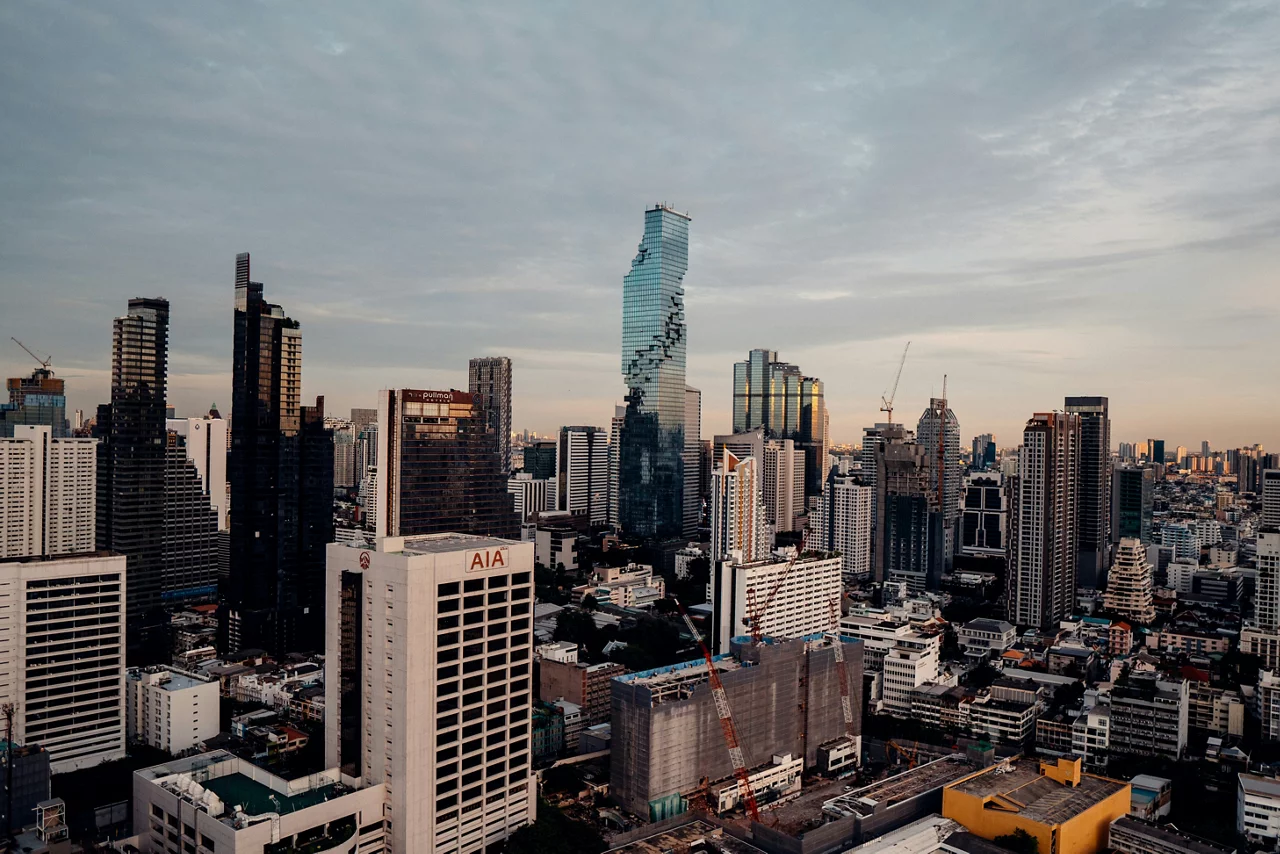
Recent earthquake tremors in Bangkok have raised concerns about structural safety within the office market. Although existing leases restrict immediate relocations, occupiers are strategically reassessing their options, with many adopting a “wait-and-see” approach before deciding whether to renew or relocate. This cautious approach has accelerated the ongoing “flight-to-quality” trend, particularly benefitting new Grade A buildings in the Central Business Area and Central North submarkets (e.g., Rama IX & Ratchadapisek corridor). In 2019, tenant movement showed no significant trend toward prime grade office upgrades. However, this pattern shifted noticeably in 2024, when tenants moved over 65,000 sqm of space from non-prime premises to Grade A office buildings.
Figure 1: Office relocation activities to prime grade offices, 2019-Q1 2025

Source: JLL Research, 1Q25
The prime grade office pipeline remains robust, with approximately 1.2 million sqm expected by 2030, and developers are primarily aiming for globally reputable building certifications. Following the earthquake, tenants increasingly view international certifications, especially LEED, as crucial indicators for structural reliability and risk mitigation. While Thailand’s building regulations address earthquake resistance standards, properties with recognised seismic certifications gain competitive advantages by demonstrating alignment with global standards.
Internationally, seismic-prone cities have established formal building certifications that indicate superior design, engineering, and risk preparedness, such as Japan’s Seismic Grade or the USRC rating in California. In Bangkok, while seismic design provisions have been embedded in the Building Control Act B.E. 2522 (1979), reinforcement and compliance remain inconsistent across properties.
Today, certifications such as LEED and ESG are more than sustainability badges; they indicate engineering integrity and future-proofing. LEED-certified buildings typically meet stringent international codes, while landlords focused on ESG principles often undertake structural audits and comprehensive risk management strategies, reaffirming occupier trust.
As of Q1 2025, Greater Bangkok encompassed approximately 3.4 million sqm of office space with LEED or ESG certification, representing 31% of the total active stock of 10.9 million sqm. Notably, 54% of these certified buildings are less than 10 years old. Achieving certification is no longer limited to new developments, as 24% of office buildings aged 20 years or more have since been retrofitted to gain these certifications.
Figure 2: LEED/ESG-Certified office buildings by grade and building age

Ageing office buildings in Bangkok face increasing pressure to compete not just on location or aesthetics but also on clear safety and sustainability credentials. While superficial refurbishments might extend their viability in the short term, long-term competitiveness will likely depend on more substantial structural retrofits or achieving recognised certifications.
For tenants, relocation decisions require careful consideration, particularly for companies with established roots in specific areas, where proximity supports employee commuting patterns and talent retention. While safety is paramount in decision-making, value for money and access to established business clusters remain critical considerations.
Although Bangkok’s recent earthquake caused no visible damage to the city’s office landscape in the immediate term, it has unsettled market confidence. In an era where trust is tangible, a building’s proven safety readiness and quality, not just location, will determine its future relevance in Bangkok’s evolving office landscape.