Tenant demand is surging for electrified buildings, but what's the business case for investment?
10 June 2026
Insight
10 June 2026
Decarbonising real estate: What’s the cost of waiting?
Categories:
Authors
Georgia Warren-Myers
Annabel McFarlane
Building owners investing millions of dollars in decarbonising their assets are typically challenged to support the investment returns. Usually, they must explain whether the market will finally recognise their efforts.
The case is becoming easier to make.
It is quickly emerging that for buildings and portfolios to retain best-in-class status, electrification is a pre-requisite. Research shows overwhelming tenant demand for energy efficient buildings, especially electrified ones, and supply is short, signalling key value drivers emerging in the market.
But the decision to invest significant capital to transition buildings is a complex one. It is also often complex in execution. Understanding the implications for the value of an asset might help shift the narrative.
The issue comes down to how the industry prices future risk versus current evidence, along with alignment to corporate commitments and amenity and reporting requirements.
That makes the question not whether decarbonisation matters, but rather the timing of the investment and ensuring high quality amenities align to achieve the best opportunity in the market to drive returns.
This Q&A addresses common questions we receive from investors around the decarbonisation value proposition.
Why the urgency around electrification?
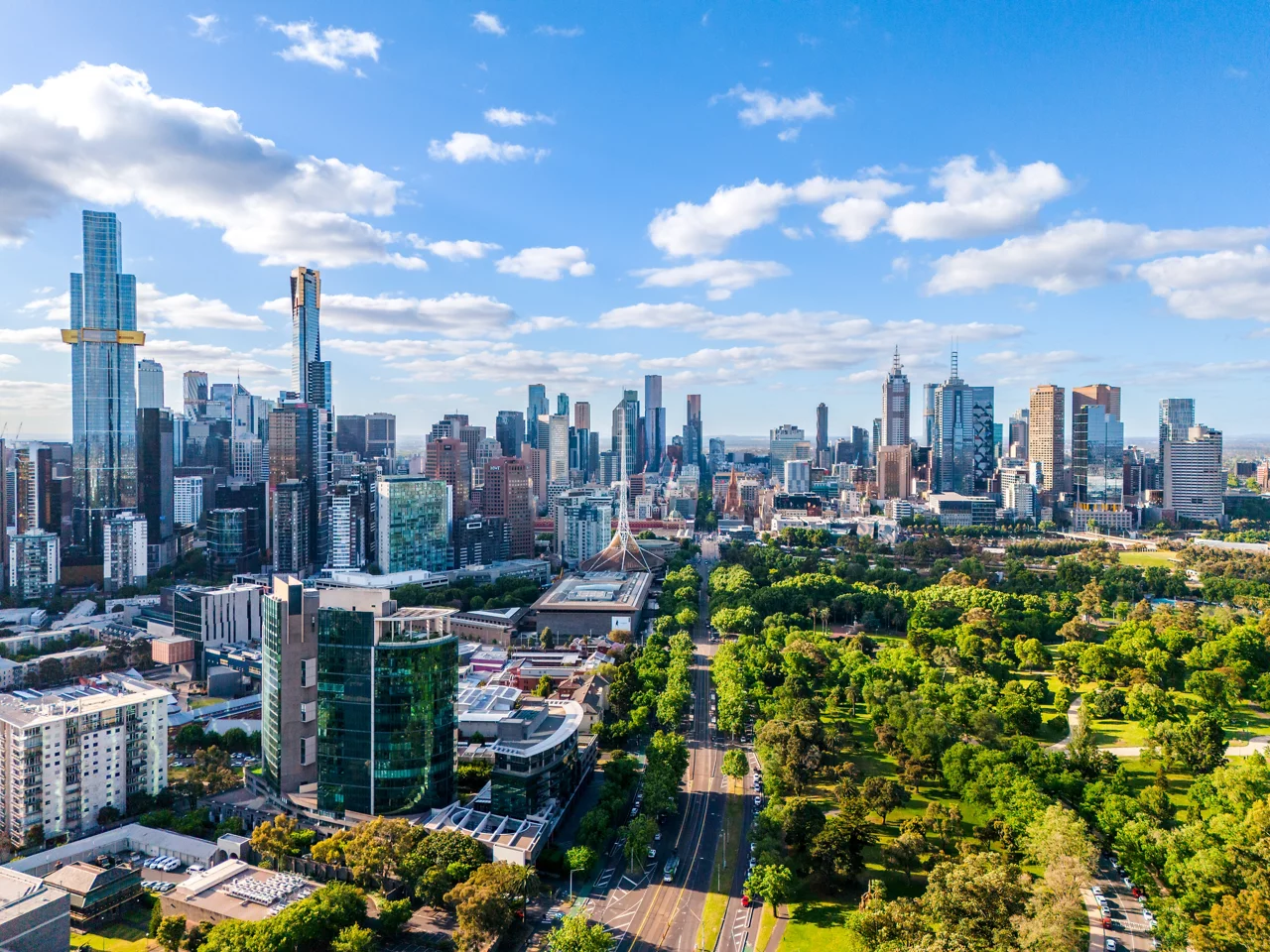
There is a severe supply-demand imbalance. As of mid-2025, fully electrified buildings accounted for just 2-3% of total office stock across the Sydney and Melbourne CBDs. Yet 85% of Sydney CBD businesses occupying over 5,000sqm (up from 11% in 2023), and 82% of Melbourne’s (up 15%) have net zero targets. This means demand for fully electrified buildings outstrips supply by more than 16 to 1.
The scarcity is partly explained by the fact that genuinely decarbonised buildings remain rare enough that clarity around their market worth is only starting to emerge.
By 2027, fully electrified buildings will still be just 7% of the market, according to the JLL report The Coming Supply Crunch. But the number of major tenants with net zero targets that are reporting under the Australian Sustainability Reporting Standards (mandatory for the largest companies since 1 January 2025) is significant and growing.
Add to that, sustainability is being integrated into lease agreements to lock in decarbonisation of buildings, with tenants increasingly demanding landlords achieve electrification and certain energy performance levels related to NABERS Energy ratings, within specified timeframes.
Real estate is still working through what full decarbonisation looks like, whether that's switching to electric systems or tackling the broader challenge of eliminating fossil fuels entirely. But the urgency is clear: tenant demand is here now, reporting requirements are amplifying reputational risks and supply can't keep pace.
What evidence exists that decarbonisation actually affects asset values?
Early indications suggest decarbonised buildings lease up more quickly and command material premiums.
Fully electrified office buildings are demonstrating initially 23% higher rents and 7.8% lower vacancy than the wider market, JLL data shows. Even highly energy-efficient assets (but not fully electrified) with NABERS 5.5-Star and 6-Star ratings show 7% higher rents and 5.1% less vacancy.
But value is not necessarily earned just because of higher rents. It can also be about the downside risk of softening rents and increasing vacancy if a building is not meeting the market's expectations.
Notably, the premium that 4.5-Star and 5-Star NABERS-rated buildings enjoyed has started to fade, declining from 35 basis points in 2023 to just 20 basis points in 2025. This suggests market expectations are shifting upward.
Fundamentally, value resilience is about having tenants in the building, particularly when vacancy rates for total CBD office markets in Australia sit where they are now at 15% - a level not seen since the 1990s office crash.
The vacancy rate for 5.5-Star+ NABERS buildings built since 2020 is just 1.3%. When there is pent-up demand, this can be a trigger that enables an asset with electrification completed or underway to suddenly see a significant shift in its occupancy.
As tenants currently have a range of options within the market to move due to current vacancy, there is greater ability to seek accommodation that aligns with their corporate objectives. Yet, supply is short for high amenity electrified assets and as a result, there are increasingly agreements and commitments to electrification between landlords and tenants by a particular date incorporated in lease agreements.
These factors suggest that over the next decade decarbonised assets will become the market expectation and assets that are not decarbonised will likely see downside risk of increased vacancy and softer rents and yields.
What does this mean for property investors and asset owners?
The uncomfortable truth persists: strong tenant demand exists, supply remains critically scarce and emerging data suggests opportunities in electrifying offices.
Near-term lease expiry pressure is acute. In Melbourne, lease expiries of some 314,870sqm of office space is due in 2027 by major tenants with net zero carbon targets. They’ll be seeking space that aligns with their requirements.
In Sydney, the peak demand years of 2028 and 2030 will each see over 200,000sqm of lease expiries by major tenants with net zero carbon targets. Given it takes three to four years to deliver major refurbishments, negotiations need to start now.
The regulatory environment is also tightening. The Commonwealth Government now requires new office leases over 1,000sqm in capital cities to achieve 5.5-star NABERS ratings from 1 July 2025, and all new government office space must be all-electric from 1 July 2026.
As the market expectation shifts to require decarbonisation as the norm in any project to upgrade an asset, clearer pricing and transparent transaction evidence will continue to emerge. Despite uncertainty in the present market, the real question is whether to bear the risk of electrifying now and benefit from potential opportunities from high demand and limited supply, or to wait and potentially see value erosion as the asset fails to attract and retain tenants, and then play catch up.
To discuss how decarbonisation could affect your portfolio's value and competitiveness, contact our team.