Boston posted back-to-back quarters of positive absorption for the first time since 2019 as vacancy fell to 23.6 percent.
30 July 2026
Insight
30 July 2026
Boston office market dynamics report, Q2 2026
Categories:
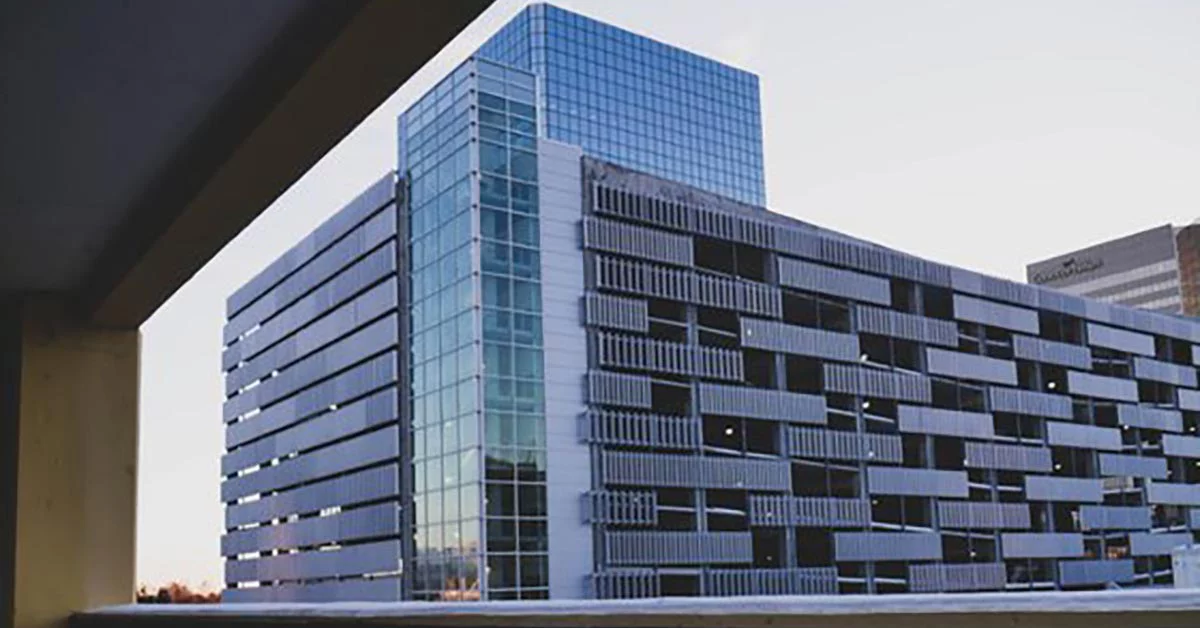
The Boston office market posted positive net absorption for the second consecutive quarter in Q2 2026, the first back-to-back quarters of occupancy gains since 2019. Total vacancy fell to 23.6 percent as headquarters relocations in the suburbs and expansions in the CBD added 590,938 square feet of year-to-date absorption. Class A direct asking rent rose to $51.28 per square foot while overall direct asking rent held at $45.68 per square foot. Deal activity skewed toward renewals, with seven of the 10 largest leases signed by tenants staying in place, while the 894,395 square feet of space under development was 100 percent preleased.
Key takeaways
- Rockland Trust's 137,000-square-foot move to 1 Technology Place in Rockland drove suburban absorption and represented a 37 percent increase in office footprint for the bank, the largest individual relocation of the quarter.
- The CBD recorded 241,860 square feet of positive absorption in Q2, its second-best quarter for occupancy gains in four years, anchored by Schneider Electric's completion of its North American headquarters at Winthrop Center and ServiceNow's two-floor occupancy at the Hub on Causeway.
- Top-tier building availability fell to 8.6 percent with an average lease term of 10.2 years on new deals, conditions that point toward landlord-favorable pricing in the premium segment as vacancy continues to tighten.
- Freshfields tripled its footprint at One Post Office Square, moving onto the 38th and 39th floors, while Weil Gotshal increased its space by 33 percent at 1001 Boylston Street. Both expansions underscore continued demand from professional services tenants at the top of the market.
What is the Boston office vacancy rate in Q2 2026?
Total vacancy in Boston's office market was 23.6 percent at the end of the second quarter of 2026, a decline from prior quarters. The market achieved positive net absorption for the second consecutive quarter, producing 590,938 square feet of year-to-date occupancy gains. That consecutive-quarter gain is the first since 2019, driven by a combination of suburban headquarters relocations and CBD expansions and move-ins.
Headquarters relocations powered suburban absorption
Suburban occupancy gains were led by Rockland Trust's 137,000-square-foot relocation to 1 Technology Place in Rockland, which represented a 37 percent increase in office space for the bank. That deal headlined a quarter in which large tenants committed to the suburbs in ways that moved the regional absorption numbers. AIM Mutual Insurance also signed a long-term deal to move to 34 Crosby Drive in Bedford, adding to the suburban pipeline. For logistics and warehouse trends in the same metro, see JLL's Boston industrial market dynamics report.
CBD occupancy gains hit a four-year high
Major move-ins and expansions
In the city, Q2 produced 241,860 square feet of positive absorption, the second-best quarter for occupancy gains in four years. Schneider Electric completed its move into its new North American headquarters space at Winthrop Center. ServiceNow occupied two floors of the Verizon sublease at the Hub on Causeway. The State of Massachusetts took three floors at 100 Summer Street. DataDog renewed and expanded at 225 Franklin Street, and Weil Gotshal relocated to 1001 Boylston Street with a 33 percent footprint increase. Schneider Electric's choice of Boston for its North American headquarters follows a pattern seen in the New York office market, where major tenants are committing to gateway-city office space.
Premium expansions at the top of the market
Freshfields' expansion at One Post Office Square demonstrated continued demand at the high end. The firm tripled its footprint, moving into the high-rise on the 38th and 39th floors. Direct availability in top-tier buildings across the city was 8.6 percent in Q2, with an average new lease term of 10.2 years in that cohort. Those conditions point toward landlord-favorable pricing in the premium segment going forward.
Leasing activity favored renewals over relocations
Deal activity in the second quarter of 2026 skewed toward renewals, with seven of the top 10 leases signed by tenants staying in place. Noteworthy relocation deals outside that renewal-heavy top 10 included Hi Marley signing for 47,828 square feet at the Wellington Management sublease at Atlantic Wharf. The renewal concentration suggests that tenants with strong existing positions are committing to Boston rather than seeking alternative markets. Other major Northeast and mid-Atlantic office markets, including the Washington DC office market, provide additional context for regional leasing patterns.
What is the outlook for the Boston office market?
The landlord-favorable shift in top-tier buildings, with 8.6 percent direct availability and 10.2-year average lease terms, signals tightening conditions in the premium segment. With 894,395 square feet under development and 100 percent of that space preleased, the near-term construction pipeline will not add competitive vacancy to the market. If occupancy gains continue at the current pace, the broader market recovery that began in Q1 2026 may accelerate through the second half of the year. The key variables to watch are whether suburban headquarters relocations sustain their Q2 pace and whether CBD renewals convert to expansions.
About this report
This report is produced quarterly by JLL Research and covers office real estate market conditions in the Greater Boston area during the second quarter of 2026 (April 1 to June 30, 2026). It tracks net absorption, vacancy, leasing activity, asking rent, concessions and development pipeline.
The full report includes additional detail on CBD and suburban submarket activity and a historical supply-and-demand data series. Download the full PDF below, and explore JLL's U.S. office market dynamics report for the national context behind Boston's numbers.
Report released July 27, 2026 and authored by Bryan Montgomery, research manager, JLL Research.