Capital investment, network expansion, and technology innovation shape the industry’s future
16 January 2026
Insight
16 January 2026
2026 Aviation Trends
Categories:
Authors
Elsa Wilson
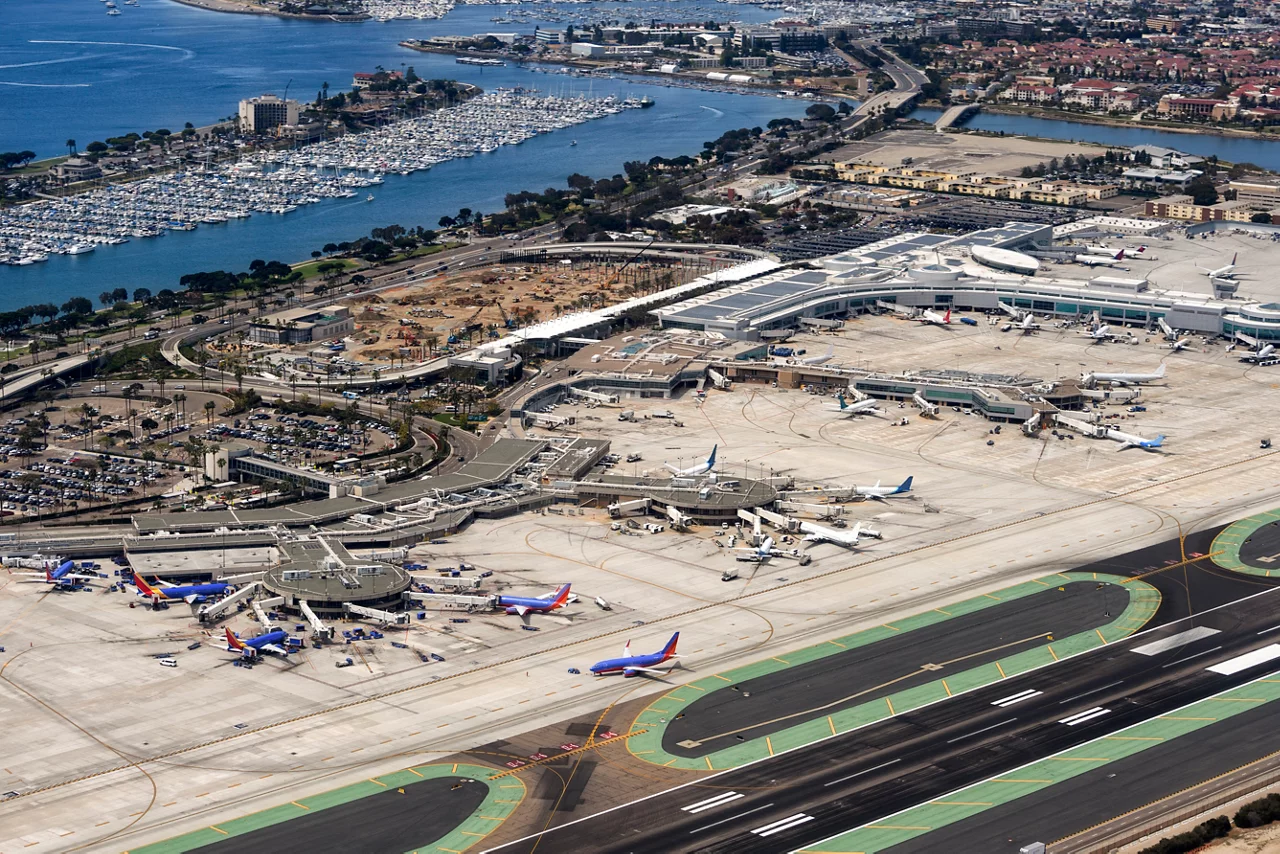
The aviation industry stands at an inflection point as growing passenger demand and evolving travel patterns drive significant transformation across global markets. Three key trends are emerging that will fundamentally reshape how airports, airlines, and aviation stakeholders approach their real estate and operational strategies in 2026, creating new opportunities for growth and innovation.
Private capital fuels global airport development
The surge in passenger volumes and expanding airline networks is driving unprecedented capital investment across global aviation markets, with distinct regional patterns emerging. While EMEA focuses primarily on expanding and modernising existing airport infrastructure, the Asia-Pacific region leads in new airport construction projects.
This investment boom is being powered by increasing private capital deployment, particularly in regions where airport privatisation enables direct ownership and development of large-scale projects. The United States presents a unique challenge, as privatised airports remain uncommon. However, developers and private capital are finding alternative pathways through public-private partnerships and specialised facilities within the airport ecosystem. The New Terminal One at JFK International Airport is one of the latest examples of public-private partnerships in the United States, aiming to deliver a world-class passenger experience through state-of-the-art airport infrastructure and design and best-in-class facilities management.
The capital influx creates opportunities across both new and existing facilities, as airports increasingly seek external expertise to manage development projects that exceed their internal capabilities. This trend presents significant opportunities for real estate professionals who can navigate complex airport environments and deliver specialised project management services.
Network expansion drives distributed facility demand
Regional growth patterns are creating distinct expansion opportunities, with Asia-Pacific departures now 5.5% above historical levels, while EMEA and North America show different growth trajectories at 9.4% and 3.2% below peak levels respectively. These variations are driving different network expansion patterns across regions.
As airlines grow their route networks, they must establish operational facilities in new markets including crew bases, support offices, and operations centers. This expansion creates complex portfolio management challenges as airlines coordinate diverse facility types across geographies with varying regulatory requirements and operational standards.
Airlines seeking improved operational efficiencies to drive both expansion and cost management across regions will require strategic real estate advisory services that understand the unique requirements of aviation operations. Portfolio optimisation strategies and location intelligence become critical tools for managing these distributed facility networks effectively.
Technology integration transforms passenger experience
The airport lounge experience is evolving beyond premium amenities, as passenger expectations drive demand for technology-enabled services and operations. Airlines are forming partnerships with financial services companies and other brands, creating complex coordination challenges as they manage different operational requirements across multiple stakeholders within shared lounge environments.
Consumer research reveals that 63% of travelers believe AI integration into spaces will enhance their experience by making visits more personalised and enjoyable. Additionally, 69% of surveyed consumers are willing to pay premiums for high-quality experiences, indicating strong market demand for enhanced service delivery.
Airlines that successfully integrate technology into lounge operations will gain significant competitive advantages through improved operational efficiency and enhanced passenger satisfaction. This technological transformation requires careful space planning and design consideration to accommodate new systems while maintaining operational flexibility.
Strategic implications for real estate professionals
These trends highlight the need for specialised expertise in aviation real estate and facility management. As the industry navigates increased capital investment, network expansion, and technological integration, stakeholders require partners who understand the unique challenges of aviation environments.
Success in this evolving landscape demands comprehensive market intelligence, strategic portfolio planning, and innovative approaches to facility design and operations. Real estate professionals who can deliver integrated solutions across these multiple dimensions will be well-positioned to support the aviation industry's continued growth and transformation.
The convergence of private capital investment, network expansion requirements, and technology adoption creates a complex but opportunity-rich environment for aviation real estate in 2026. Organisations that can effectively navigate these trends while delivering measurable operational improvements will emerge as leaders in the next phase of aviation industry evolution.