Workplace strategy

The nature of work is changing fast. Smart organisations are using JLL strategies to align their physical space, people and technology to deliver on efficiency, experience and sustainability goals.
Meeting your needs
See how we do it

Client story
Building brighter

Client story
Community housing provider reduces valuation time and cost using artificial intelligence
Client story
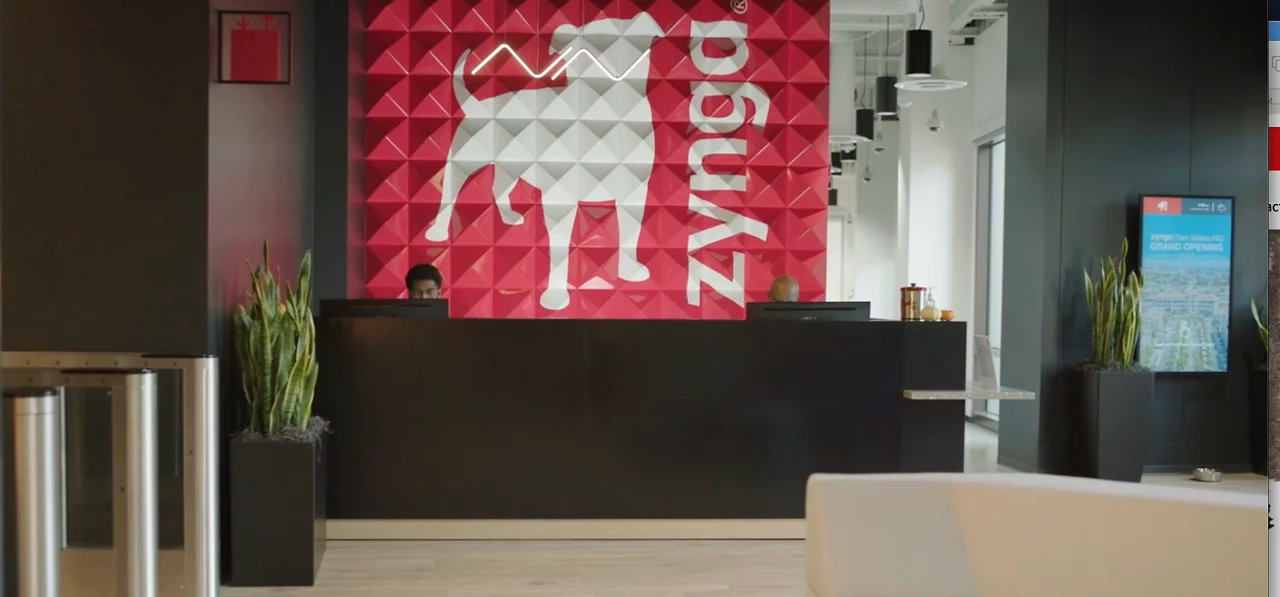
Zynga levels up its global workplace strategy
FAQs about workplace strategy
Workplace strategy is important because the post-pandemic workplace has permanently changed—and organisations without a deliberate strategy are losing money on underutilised space, losing talent to competitors with better work environments, and falling behind on sustainability commitments tied to space efficiency.
Three converging forces make workplace strategy a C-suite imperative in 2026:
- The utilisation gap is costing billions: JLL's latest Global Occupancy Planning Benchmark Report shows global office utilsation reached 54% in 2025—up from 41% in 2023 but still 25 points below the 79% target most organizations set. That gap represents massive financial exposure: a 500,000-square-foot portfolio at $60 per square foot means $7.5 million in annual excess cost for space that sits empty most of the time.
- Talent competition is tied to workplace quality: Employees in great workplaces are three times more likely to stay with their employer. Only 26% of workers strongly agree their current workplace helps them do their best work—revealing a massive improvement opportunity. Replacing a single employee costs 50–200% of annual salary, making workplace investment a talent retention strategy.
- Portfolio optimisation has overtaken cost-cutting: 73% of corporate real estate leaders now prioritize optimising how space is used over simply reducing how much space they have. This shift demands a strategic vision — not just a real estate transaction.
A hybrid workplace strategy is the framework governing how an organisation distributes work across office, home, and third places—encompassing policy design, space configuration for variable occupancy, technology deployment, and culture-building for teams that are not co-located every day. Traditional workplace strategy assumed full-time office presence; hybrid strategy must design for variability.
Hybrid workplace strategy differs from traditional approaches in four critical dimensions:
- Variable occupancy: Traditional strategy assumed 1:1 seat ratios (one desk per employee). Hybrid strategy designs for sharing ratios of 1.3–1.5 people per seat, requiring robust booking systems, clean-desk protocols, and adequate storage—based on JLL benchmark data.
- Purpose-driven space types: Traditional offices allocated 70%+ of space to individual workstations. Hybrid strategy shifts the mix toward collaboration zones, social spaces, focus rooms, and flexible neighborhoods—because employees come to the office specifically for in-person interaction and need spaces designed for that purpose.
- Technology infrastructure: Hybrid strategy requires desk and room booking platforms, occupancy sensors for real-time utilisation data, video-enabled meeting rooms for hybrid meetings, and digital wayfinding. JLL's OSIS platform integrates spatial data from CAD, BIM, and IWMS sources into workplace experience platforms including Microsoft Places.
- Policy and culture design: JLL's latest Workforce Preference Barometer found that almost three-quarters of global workers now view return-to-office positively—but structured hybrid (defined in-office days) delivers 61% effectiveness versus ad hoc approaches. Hybrid strategy defines the policy framework that balances organizational needs with employee autonomy.
Workplace quality directly affects talent outcomes: employees in great workplaces are three times more likely to stay with their employer, 90% of workers who like their workspace report pride in their company, and replacing a single employee costs 50–200% of annual salary—making workplace investment a measurable talent retention strategy.
The evidence connecting workplace quality to talent is consistent across multiple sources:
- Retention multiplier: Employees who rate their workplace as "great" are three times more likely to say they intend to stay for three or more years. Workplace quality is now a stronger retention predictor than many traditional HR interventions.
- Productivity impact: Only 26% of workers strongly agree their current workplace helps them do their best work—indicating a massive opportunity gap. Organisations that close this gap through purposeful design, technology, and services gain a direct productivity advantage.
- Recruitment advantage: In a competitive labor market, workplace quality is increasingly visible in employer branding—through social media, Glassdoor reviews, and candidate site visits. JLL's Workforce Preference Barometer found that work-life balance is now the number-one retention factor above salary, and workplace environment is a core component of perceived work-life balance.
- Cost of inaction: With average employee replacement costs at 50–200% of annual salary, even modest retention improvements from workplace investment deliver measurable financial returns—often within the first year.
Explore similar offerings
Strategy and design services that encompass planning, construction and project management.
Design
Transformative human experiences accelerate business growth – let our interdisciplinary brand experience experts help your real estate deliver value.
Development management
Development management provides an end-to-end view on master planning, feasibility and finances, with proven methods for schedule, cost and scope.
Office
JLL has proven expertise in office investment leasing advisory services, helping you attract the right investors, employees and tenants.
Retail
Benefit from retail advisory services with the industry insights, analytics and research needed for the productivity and profitability of investments.
Sustainability services
Decarbonising real estate is vital. Our net zero experts keep abreast of real estate sustainability trends to help you create resilient buildings.

Meet our workplace strategy experts
See how we help our clients align their workplace strategies in an evolving market.

Guzmán de Yarza


Derrick Tate
Contact us about workplace strategy services
Unlock the power of our local expertise to transform your real estate challenges into strategic advantages, optimising your portfolio for enhanced value and performance.