Australia's economic hotspots are shifting: Discover why young professionals are reshaping investment patterns and where this cohort is concentrating.
12 December 2025
Insight
12 December 2025
Young professionals redefine Australia’s economic geography
Categories:
Authors
Filip Ograbek
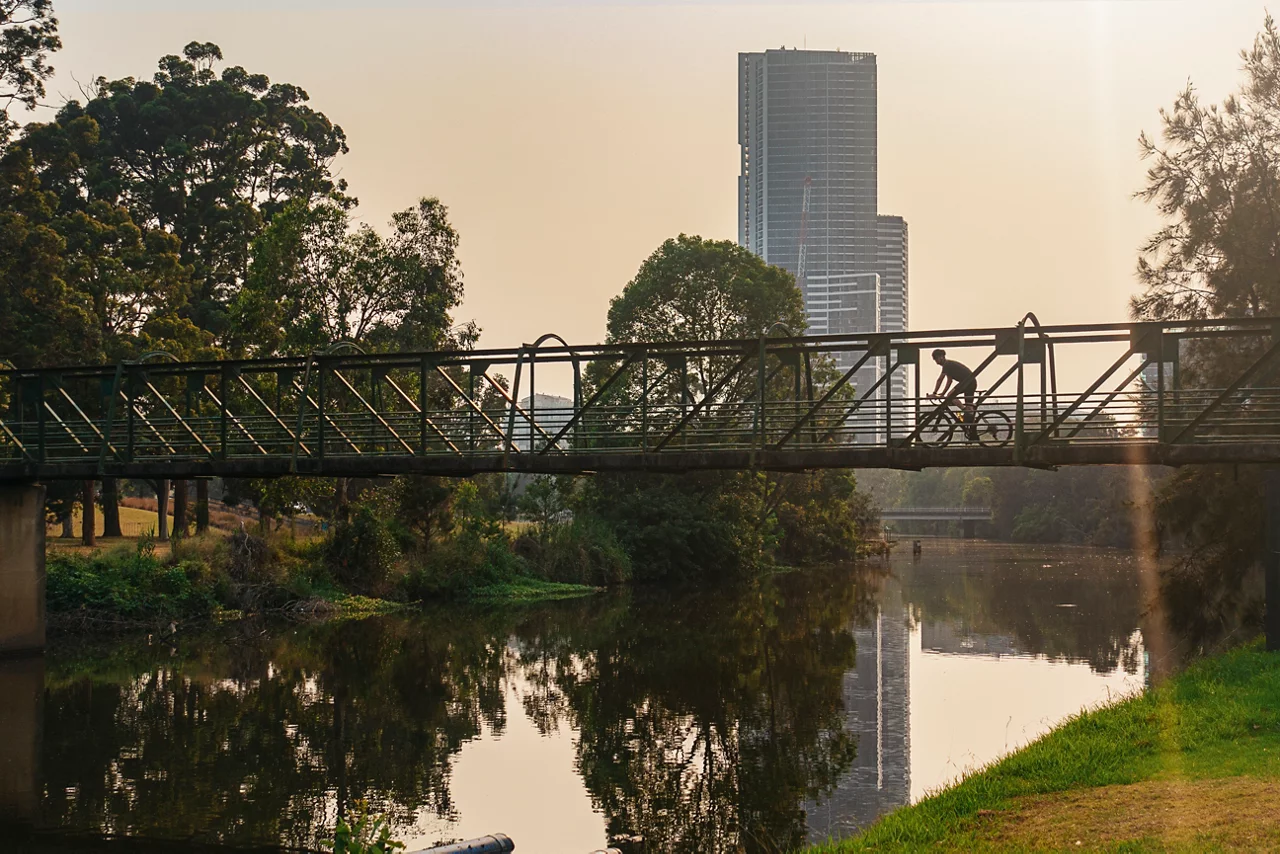
A young, highly educated section of the population has become the economic engine of modern suburbs. This generation is helping drive innovation, entrepreneurship, and commercial vitality in Australia. This demographic is also able to create thriving local economies through higher spending power, establishing new businesses and generating opportunities in knowledge-based industries.
JLL Research has developed the 'Goldilocks' framework to identify and track these economic hotspots. A suburb qualifies by meeting two criteria: At least 50% of its residents are young adults (aged 20-39), and a minimum of 40% of the total population holds a Bachelor's degree or higher.
When comparing the 2016 and 2021 Australian Census datasets, populations with high percentiles in both criteria have largely remained centralised within the same suburbs. However, some key shifts have widened the count of these 'Goldilocks' precincts and allowed new precincts to emerge.
Across Australia, Goldilocks precincts expanded from 17 in 2016 to 35 in 2021. The near doubling in numbers represents significant economic potential, as these precincts typically demonstrate higher commercial activity, property values, and business formation rates.
Key precincts are generally clustered around city centres in amenity-rich suburbs. As the accompanying maps illustrate, these areas feature strong transport links, vibrant culture, recreational activities, and access to green spaces. Sydney exemplifies this shift, as housing affordability transforms the Goldilocks geography. More affordable western suburbs like Parramatta, where weekly rent is AUD 700, have now attained the Goldilocks status, while traditionally prime areas like Potts Point no longer meet the criteria. Parramatta's entry highlights the importance of this demographic makeup, with tangible economic implications evident in accelerated infrastructure investment, including funding for the Parramatta Light Rail.
This population has also attracted substantial investment and innovation, with the government committing AUD 3.4 billion to the neighbouring Westmead Health and Innovation Precinct in 2022. These predominantly government-led investments coincided with Parramatta achieving Goldilocks status, creating a foundation for further private investment and sustained economic growth.
This demographic migration also suggests that suburban economic centres are expanding beyond traditional city boundaries to create new investment opportunities. The surge in apartment development along Melbourne's St. Kilda Road is a good example of how the Goldilocks cohort enhances economic viability. St. Kilda Central met the criteria between the two censuses. Since 2015, the St. Kilda Road Precinct has seen the withdrawal of 144,000 square metres of office stock, with the entirety designated for residential redevelopment. In relative terms, this represents the highest percentage of stock withdrawn in any precinct across Australia.
The Goldilocks framework reveals a fundamental shift in Australia's economic geography. As housing affordability influences where young professionals live, economic vitality follows the same demographic rather than traditional geographic boundaries. Property conversions in St. Kilda and infrastructure investments in Parramatta are examples of how achieving the Goldilocks status creates momentum, attracting investment that further enhances a precinct's appeal. This suggests that this demographic will continue to reshape Australia's suburban economy, prompting policymakers to focus on identifying emerging precincts and nurturing existing ones.
Figure 1: Sydney SA2 land parcels by age and education, 2016 to 2021

Source: JLL Research, Australian Bureau of Statistics, 4Q25
Figure 2: Melbourne SA2 land parcels by age and education, 2016 to 2021

Source: JLL Research, Australian Bureau of Statistics, 4Q25