Singapore's co-living sector has evolved from a millennial trend into a $1.4 billion investment market attracting institutional investors.
04 November 2025
Insight
04 November 2025
When niche goes mainstream: Singapore's co-living maturation
Categories:
Authors
Siew Chuin Chia
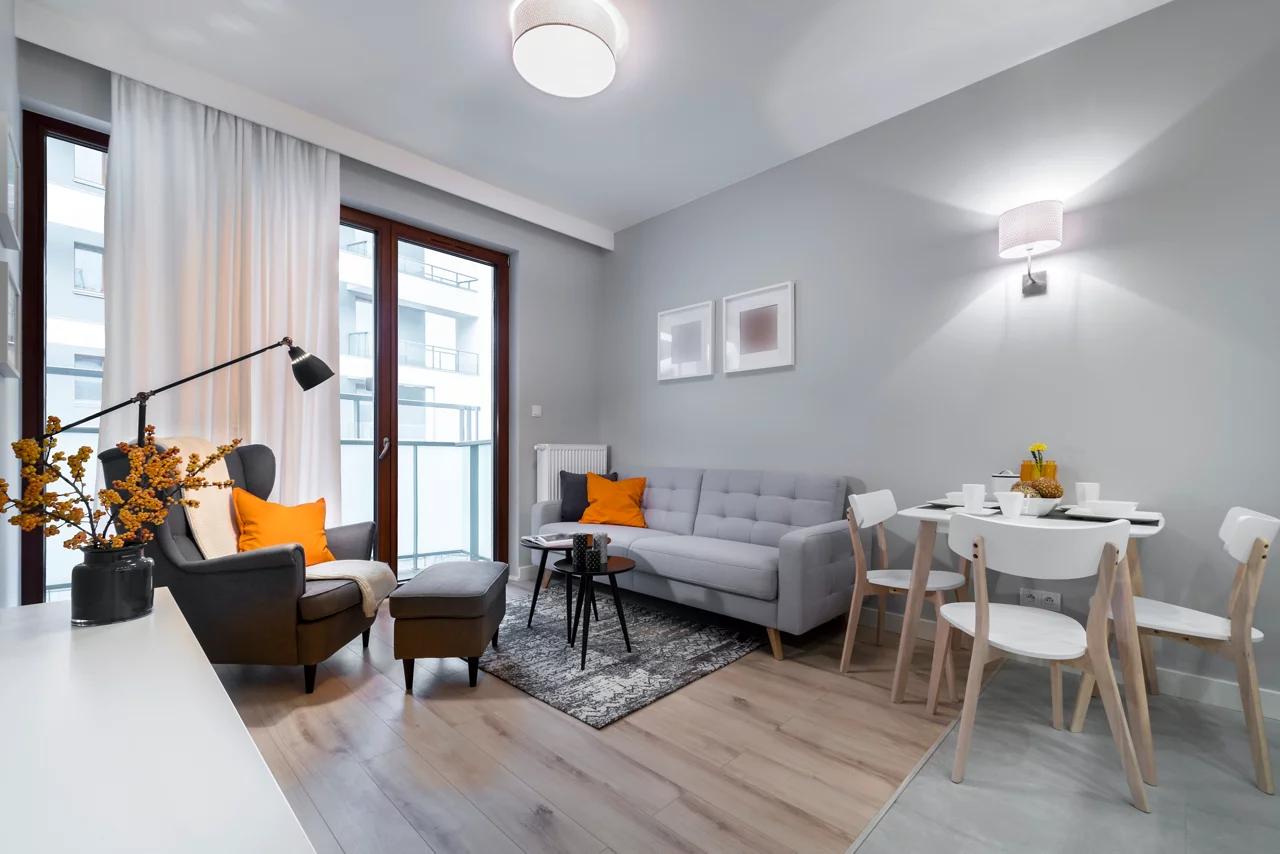
As co-author of JLL's latest co-living white paper, “Co-living in Singapore: From growth to maturity”, I've witnessed how Singapore’s co-living sector has transformed from a mere niche curiosity to a more serious investment play. Here's what caught my attention—and why it should pique yours.
Remember when co-living was just "fancy hostels for millennials"? Those days are gone. Our research reveals that Singapore's co-living sector has matured into a $1.4 billion investment market that is drawing attention from family offices to private equity firms and institutional investors. But the real story goes deeper—a fundamental shift in how we think about urban living.
Figure 1: Co-living investment volume in Singapore (2022 – August 2025)

Source: JLL Research
The student factor
While everyone was focused on young professionals, students have emerged as a major growth driver. Foreign students now represent 25-40% of residents for some operators, driven by Singapore's booming international education market. With 70,800 foreign students in 2023 and a projected annual growth of 6.7% through 2031, this demographic isn't just filling rooms; it's reshaping the business model.
The community formula
The most compelling factor is “stickiness”. While traditional rentals see constant turnover, co-living residents with operators like Casa Mia stay for an average of 14 months—twice the industry norm. The differentiating value proposition? Community. When you're far from home, built-in social connections aren’t just nice to have—they’re essential. Co-living operators have cracked the code on instant community building, addressing urban loneliness for newcomers.
The institutional awakening
Investor behaviour shows a clear trend. JLL’s 2025 Co-living Investor Sentiment Survey, a follow-up to the inaugural 2023 survey, shows a dramatic shift in investment strategy. 65% of investors now target internal rates of return below 15%, up from just 27% in 2023. This isn't investors getting less ambitious; it’s the market becoming mainstream and less risky.
The sector has moved from an opportunistic play to value-add and core-plus strategies, with occupancy rates stabilising at a healthy 85-95% level and gross operating profit margin hitting 55-70%. When institutional capital views your sector as established enough for lower returns, you know you've made it.
Government gets into the game
The Singapore government’s response is most telling. Authorities actively tender state properties for adaptive reuse as co-living spaces targeting specific communities—from foreign healthcare workers to international students. This highlights how the government can strategically repurpose underutilised public assets while addressing housing gaps for distinct demographic segments.
The hidden value
Our research reveals compelling private investment trends around adaptive reuse and property conversion. Whether it's hotels, offices, or hostels, investors are discovering and unlocking value in underutilised buildings to become thriving co-living spaces. This flexibility showcases co-living's potential for systematically repositioning underperforming assets.
What this means for you
For investors, developers, or those fascinated by urban evolution, Singapore's co-living story offers valuable insights into how a niche concept becomes a mainstream market. The sector's journey from growth to maturity reveals important trends in changing lifestyle preferences and the future of city living.
Want the full picture? JLL’s comprehensive report dives deeper into investment strategies, demographic shifts, and what this means for Singapore's broader accommodation landscape.