The change in residential redevelopment market in Mumbai in the last six years along with its demand growth and impact in the coming future.
13 May 2025
Insight
13 May 2025
Brick by brick: how redevelopment is reshaping Mumbai
Categories:
Authors
Ramkrishna Panda
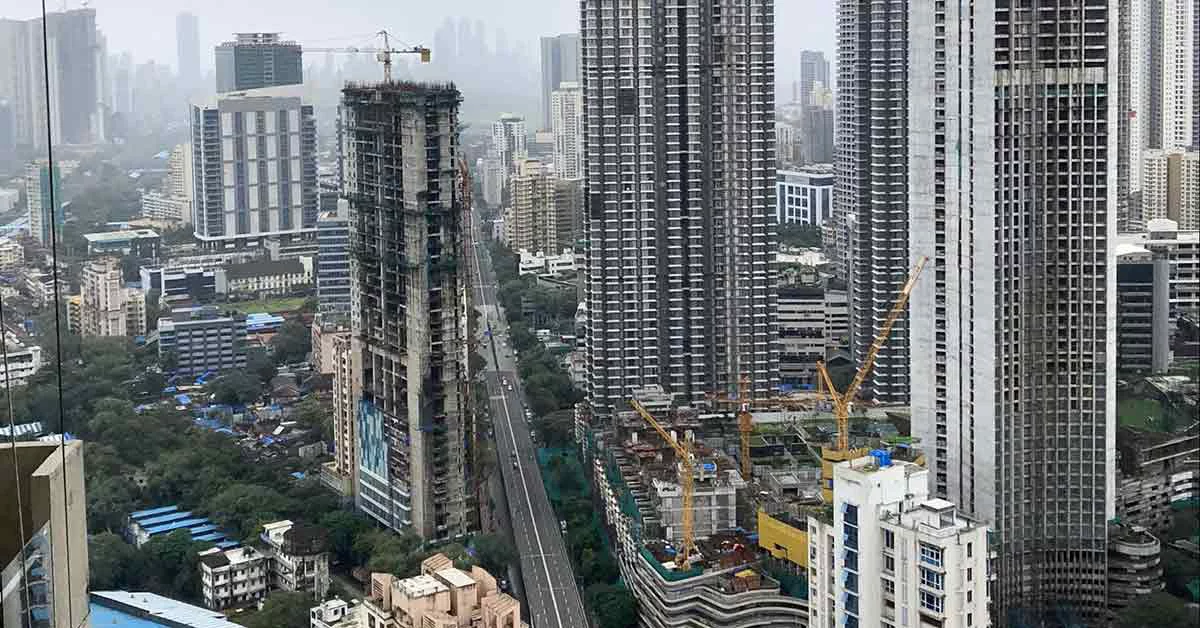
Mumbai's residential landscape has transformed significantly since 2019 mainly due to limited land availability for new developments, lack of amenities and aging buildings necessitating renovation and reconstruction. Redevelopment projects are reshaping neighborhoods, addressing demands for modern, sustainable housing. This evolution marks a new era in urban living for India's financial capital.
Shift towards Cluster Development & Emphasis on Sustainability
Mumbai's redevelopment has shifted to cluster development, focusing on revamping entire localities with a holistic approach. This strategy enables better planning and integrated communities, as seen in ambitious projects like Bhendi Bazaar and Dharavi. Simultaneously, there's a strong emphasis on sustainability, incorporating green building techniques, energy-efficient systems, and eco-friendly features like rainwater harvesting and solar panels, and setting new urban living standards.
Focus on Open Spaces and Amenities & Streamlined Approval Process
Recent redevelopment projects in Mumbai prioritize community amenities and green spaces, especially in suburban areas like Bandra and Andheri and it modernizes older societies hence improving living spaces for residents. Simultaneously, the approval process has been streamlined through online systems and RERA (Real Estate Regulatory Authority) implementation, increasing transparency and efficiency. These changes have enhanced project quality, accelerated timelines, and boosted investor confidence in redevelopment initiatives.
Rise of Public-Private Partnerships & Adoption of Advanced Construction Technologies
Mumbai's redevelopment sector has seen a rise in public-private partnerships, with MHADA (Maharashtra Housing and Area Development Authority) collaborating with private developers to revamp old buildings. This approach balances social responsibility with urban development needs. Simultaneously, the sector has adopted advanced technologies like prefabricated components and BIM, enhancing efficiency, construction speed, and overall quality of redeveloped structures, modernizing the city's urban renewal process.
Increased Focus on Transit-Oriented Development
Mumbai's metro expansion drives transit-oriented redevelopment, with higher FSI (Floor Space Index) allowances near stations. This promotes high-density, mixed-use developments around transit hubs, fostering sustainable urban growth and improved city-wide connectivity.
Figure 1: Mumbai Redevelopment New Launches and Sales

Note: Mumbai includes Mumbai city, Mumbai suburbs, Thane city and Navi Mumbai
Source: JLL Research
Residential redevelopment in Mumbai addresses core area housing demand with modern options. Despite pandemic challenges causing slowdowns, the sector rebounded strongly in 2022-2023. 2024 saw record-breaking launches and sales, demonstrating the sector's resilience and crucial role in meeting urban housing needs while revitalizing city centers.
Mumbai's redevelopment hotspots cater to growing demand for modern urban living across diverse areas:
South Mumbai: Dadar and Prabhadevi, prized for central location and infrastructure
South Central: Chembur and Matunga, known for planned layouts and business proximity
North: Bandra, Khar and Santacruz, offering upscale living and connectivity
Eastern Suburbs: Vikhroli and Ghatkopar, with improving infrastructure and commercial growth
Western Suburbs: Borivali and Goregaon, blending suburban charm with urban amenities
These varied locations reflect Mumbai's evolving landscape and increasing demand for modern housing in established neighborhoods, highlighting the widespread nature of redevelopment trends.
Figure 2: Share of redevelopment in overall new launches

Note: Mumbai includes Mumbai city, Mumbai suburbs, Thane city and Navi Mumbai
Source: JLL Research
Figure 3: Share of redevelopment in overall sales

Note: Mumbai includes Mumbai city, Mumbai suburbs, Thane city and Navi Mumbai
Source: JLL Research
The redevelopment market has surged post-pandemic, with launches and sales reaching record highs since 2022. Suburban areas have seen significant activity, while core markets like Andheri, Bandra and Chembur face scale limitations due to smaller older societies. Redevelopment's share in the overall residential market is growing, a trend expected to continue in the coming years.
Conclusion
Mumbai's residential redevelopment has evolved, focusing on sustainability, community living, and technology. Streamlined processes enable holistic urban renewal, shaping the skyline and improving life quality. Future innovations aim to balance heritage with modern urban demands.