The retail sector continues to be in a challenging environment brought about by COVID-19
07 May 2020
Guide
07 May 2020
The new normal for Philippine retail
Categories:
The retail sector continues to be in a challenging environment brought about by COVID-19. One of the immediate impacts of the pandemic on the sector is the overall reduced spending, except for on essentials. There has also been lower footfall in malls and retail establishments beginning early March even before the announcement of the Enhanced Community Quarantine (ECQ). This has translated to the decline in sales for both mall operators and retailers, except for groceries and supermarkets. A survey by the Philippine Retailers Association conducted last March showed mall operators reporting a 10% drop in sales while fashion retailers registering a 20% decline during that period.
We also saw some supply chain disruption from production drop offs due to manpower constraints, which affected imports for raw and finished products. This is reflective of the decline in imports by the Philippines in February 2020, which declined by 11.6% y-o-y to USD7.06 billion based on the Philippine Statistics Authority (PSA) latest data. These combined with tighter border controls within and outside the Philippines, contributed to the delays in the movement of items. Currently, some retailers are moving to the production of personal protective equipment in the interim.
In response, major mall operators have granted rent condonation to affected retailers while the government mandated the deferment of rental payments of micro, small, and medium enterprises.
We are also seeing more online shopping from households due to various factors such as the limitations on number of people allowed to leave their respective homes, safety concerns, long queues, and the unavailability of some products and items within the physical stores. According to the April report by We Are Social, around 23% of internet users in the Philippines are spending more time doing online shopping. Consequently, we are seeing more online stores and resellers, as well as the growth of neighborhood on-demand logistics and delivery services such as foodpanda, Grab, and Lalamove. However, the decline in the number of operating brick-and-mortar stores as well as inventory is becoming constrained.
NEW NORMAL FOR RETAIL
As the 15 May due date for the extended ECQ draws near, many retailers are preparing for what the new normal would look like for the sector. Since retail has become an experiential sector, we anticipate that the learnings during this pandemic to be incorporated in the customer journey.
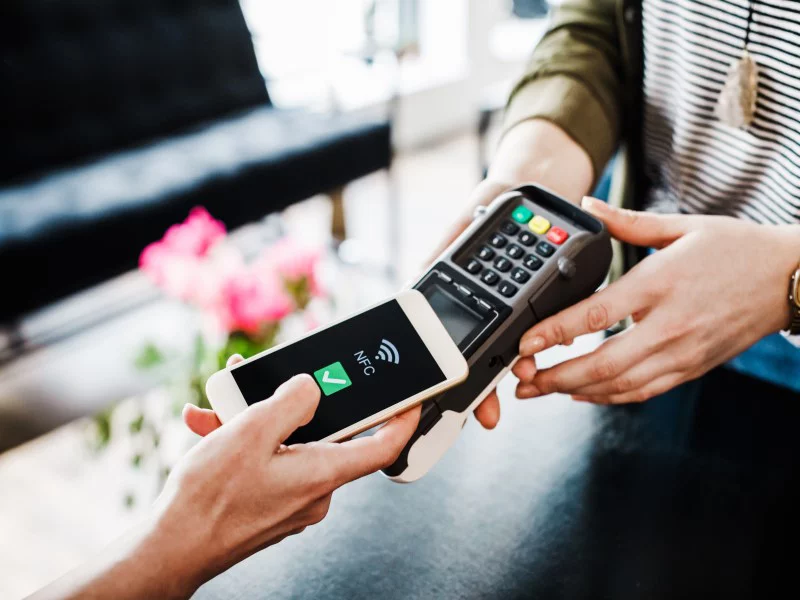
Personal and community safety will take precedence, which means social distancing and other measures for employees, clients, and vendors will continue to be observed. This may entail the maintained contactless transactions or minimal touchpoints between and among employees and customers after the lockdown. This also includes heightened security and monitoring for individuals and delivery of goods
We may also see reduced spending in the interim as households may focus on wealth consolidation and preservation and may be more conscious of how much and where they spend their money. We think that the immediate priorities would be on essentials such as food, medicine, personal grooming, utilities, and loans, among others, while big-ticket purchases may be on the sidelines until consumer confidence improves. This is in line with Fitch Solutions Macro Research, which downgraded its growth forecast for Philippine consumption to 6.7% from 7.0%.
One of the major shifts we may see is a larger catchment for health and well-being, building on an earlier trend of active lifestyle, which drove the athletics and wellness retail businesses in recent years. We may see households become more mindful in their selection for healthier options and support the rise of products and services within this space.
For mall operators and retailers, we may see these elements incorporated within the physical space or added as part of their initiatives, on top of sustainability. That may mean revisiting store design to improve on circulation and space, assessing low and high traffic zones and placement of in-demand products, reviewing fitting room designs and process for the same, as well as easier and contactless check-outs, among others.
We are also seeing accelerated technology adoption from both consumers and retailers. While this adoption is out of necessity given the current circumstances, we do think that that there may be greater acceptance of technology across all stakeholders, especially from more traditional or late adoption consumers and retailers following the recovery. Definitely while we may see a reversion of habit, we also anticipate a good number to stick with this new way of transacting and doing business. We are also mindful that not everyone is in the same position and capability with regards to technology adoption, but we do think there is room for growth in this area.
Some key trends that we project to shape the Philippine retail landscape in the near term:
- Development of omni-channels as more retailers see the value of having online presence in expanding reach.
- Leveraging of pop-up stores to engage customers offline and nudge them or introduce them to their online platforms.
- Inclusion of to-go or take-away areas for F&B and click and collect arrangements for non-retail.
- Emergence of tech companies and logistics companies not only as core providers such as online channels and food deliveries but also in auxiliary areas such as security and software platforms.