Emerging Markets and Tech Integration
19 February 2026
Insight
19 February 2026
India's Industrial Real Estate Evolution
Categories:
Authors
Charmy Shah
Harshit Talreja
Inderpreet Singh
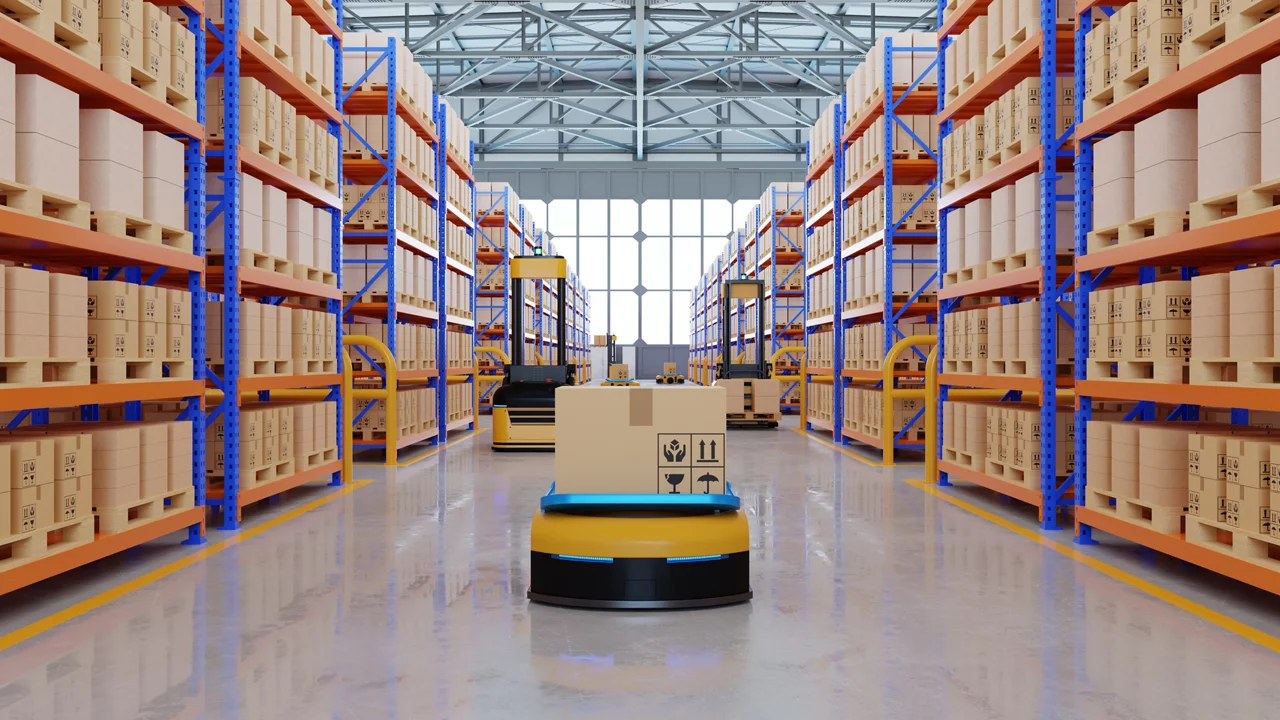
India’s warehousing sector has rapidly evolved from fragmented regional operations into a professionally managed, integrated asset class. With total stock (Top 8 Tier 1 and Emerging 14 Tier 2+ Markets) reaching 610 mn sqft in 2025 and record net absorption of 67 mn sqft, the market is witnessing an unprecedented geographic diversification that signals a new era of growth and opportunity.

While India's top 8 Tier 1 cities continue to dominate with 82% of total warehousing stock, the real growth story lies in the emerging 14 Tier 2+ markets. These secondary cities now represent 18% of total inventory and captured 12 mn sqft of absorption in 2025, demonstrating their increasing strategic importance in India's supply chain ecosystem.
Cities like Chandigarh-Rajpura, Lucknow, Nagpur, and Coimbatore are no longer secondary considerations, they're becoming primary destinations for logistics operations seeking operational efficiency and cost optimization.

The sector's maturation is evident in occupiers' overwhelming preference for Grade A facilities, which now comprise 53% of total stock and commanded 80% of leasing volume in 2025. This shift reflects evolving operational requirements where quality infrastructure directly impacts supply chain efficiency and competitiveness.
Institutional investors have recognized this trend, backing 38% of Grade A spaces and driving standardization across the sector. This institutional confidence has elevated overall market quality and created a foundation for sustained growth.

Beyond traditional storage applications, India's warehousing sector is evolving into integrated manufacturing and logistics hubs. Light manufacturing now accounts for 26% of absorption, led by automotive and ancillaries, engineering, and electronics sectors. This convergence reflects India's broader economic transformation toward advanced manufacturing and export competitiveness. The storage/warehousing segment remains dominant at 74% of absorption, driven by 3PL/logistics operations and e-commerce growth, supported by rising consumer demand and digital penetration across both urban and emerging markets.
Technology as the Competitive Differentiator
Warehouse automation adoption is accelerating rapidly, with projections showing growth from 4% in 2024 to 76% by 2030. This technological transformation addresses critical challenges including labor dynamics, accuracy requirements, and space optimization while enabling scalability and operational resilience.
India's warehousing evolution represents more than market expansion; it embodies the nation's economic decentralization objectives and infrastructure modernization goals. As Tier 2+ markets mature and technology integration deepens, India is building the logistics foundation essential for sustained economic growth and global competitiveness.
Read on for more insights.