Why valuing nature is becoming a core driver of real estate investment, resilience and long-term returns
27 January 2026
Insight
27 January 2026
How natural capital is reshaping real estate
Categories:
Authors
Alida Saleh
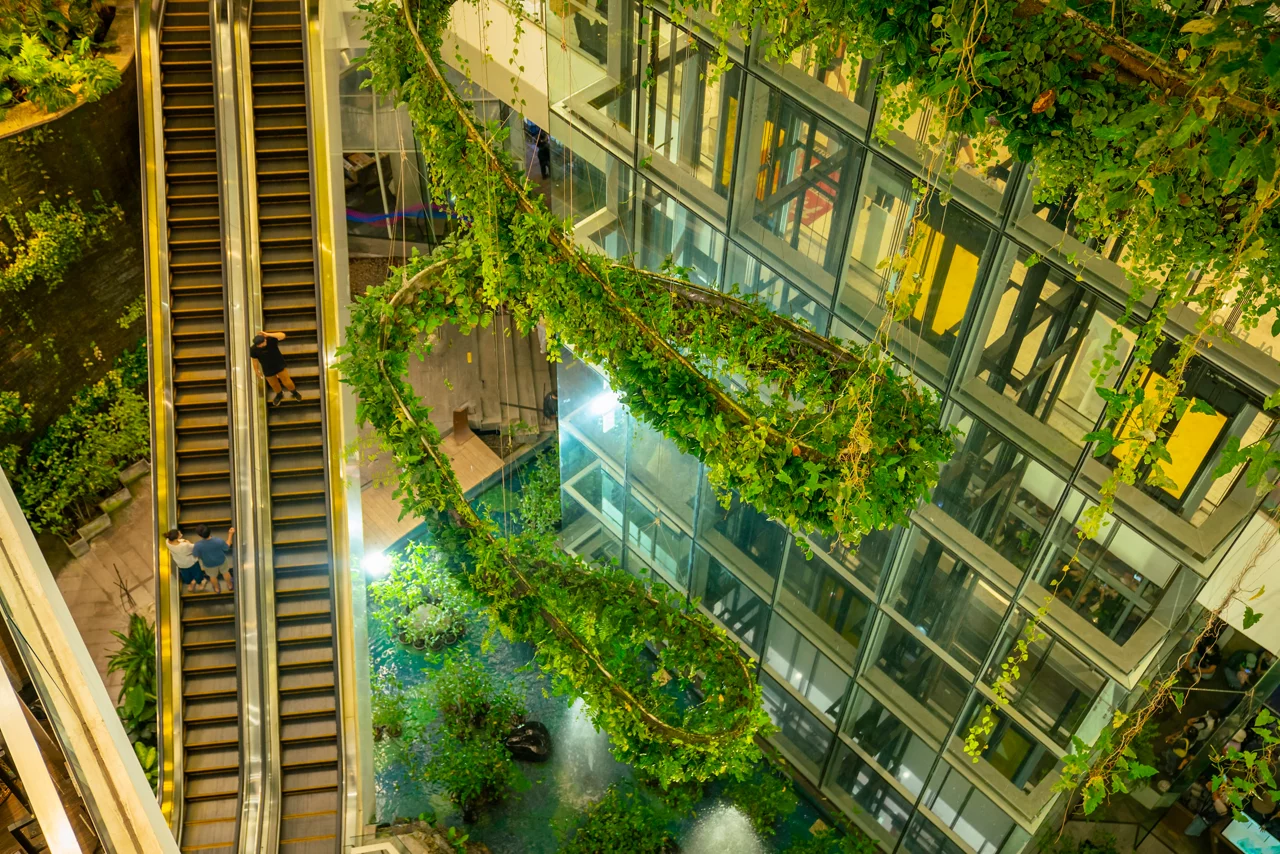
The natural world is the single most important asset behind the global economy, yet until recently, it was given no value on corporate balance sheets. Resources like clean air, fresh water and a stable climate were treated as “externalities”—important benefits or risks that were largely ignored when businesses calculated profits or assessed risk. That is changing. Today, companies and investors around the world are rethinking how they value nature. Instead of seeing it as a passive backdrop, they now recognise it as a key source of economic strength and business advantage. This shift centres on natural capital, which includes all the natural assets we rely on to provide us with the goods and services we need to live and do business. Managing these resources wisely is now considered crucial for financial stability, resilience and long-term success.
Nature moves to centre stage
According to the World Economic Forum, more than half of global GDP (about $44 trillion) is moderately or highly dependent on nature. For real estate, this means the industry is intimately linked to the health and resilience of surrounding ecosystems. Nature’s influence has become explicitly material, directly impacting asset valuation, structuring operational costs, and defining the landscape of future investment. As the real estate sector looks for innovative ways to build value, natural capital is emerging as the key strategy. This approach goes beyond reputational benefits to deliver tangible results such as better financial performance, enhanced asset longevity and greater resilience to climate-related risks.
Unlocking value and resilience
Investments in Natural Capital offer clear financial returns and operational advantages across three core dimensions: revenue enhancement, cost management, and long-term risk mitigation.
Revenue Uplift
Developments integrating planned Green Infrastructure—such as rooftop gardens, shaded pedestrian zones, and integrated water features—consistently drive a substantial increase in asset valuation.
Studies show that amenities such as a rooftop garden alone can boost property value by about 11%
Cost Management
- Strategic landscaping reduces energy demand.
- Roshn’s Sedra Development in Riyadh, for example, integrates 1.4 million m² of green spaces and an urban forest using drought-resistant species to create natural cooling corridors, directly reducing energy consumption across the community.
Risk Mitigation
- Climate volatility increases the frequency of extreme events.
- Solutions such as rain gardens and permeable surfaces absorb heavy precipitation, averting costly flood damage.
- In Dubai Creek Harbour, Emaar utilizes 6km of waterfront parks with native ecosystems and urban forest canopy specifically for integrated flood management and natural cooling, ensuring operational resilience against extreme weather.
Based on these demonstrable returns, major capital shifts are already underway. Sovereign Wealth Funds in the MENA region, which manage over $3.8 trillion, are making a significant pivot toward green investments. The Saudi Public Investment Fund (PIF), for example, has committed over $372 million to sustainable building projects. This market activity signals that nature-based solutions are now viewed as a core business tactic, not a peripheral environmental concern
Creating income from nature
Natural capital does not merely protect existing investments; it also creates ways to generate income. Driven by new regulatory frameworks and enabling technologies, environmentally sound investments are no longer a compliance burden but are actively creating measurable market profitability.
In the United Kingdom, for instance, the “Biodiversity Net Gain” framework requires developers to improve biodiversity within their projects. This mandate has created a formal, trading biodiversity market with credits. Landowners who create or restore habitats can sell credits to developers who require them for compliance.
Carbon forestry is another example. Landowners can manage forests to absorb carbon dioxide from the atmosphere, then sell carbon credits on global markets. These approaches open revenue streams that are independent of traditional property cycles.
As more regions adopt forward-thinking policies and incentives, opportunities to earn from nature are likely to grow. Real estate investors who understand this shift can position themselves ahead of the curve.
Strategies for creating value
How do you translate the concept of natural capital into actionable results?
Here are three proven strategies:

Practical steps such as capturing rainwater, planting local species, and designing with birds and pollinators in mind create positive ripple effects for entire communities. These strategies are straightforward to implement and deliver long-term benefits both financially and socially.
Making nature mainstream
Natural capital is quickly turning into the core driver of business and investment decisions. Progressive policies, dedicated green financing, and technologies are helping companies make informed environmental decisions and accurately measure results.
Effectively managing natural capital well is becoming an essential skill for the real estate industry. Properties and portfolios that account for nature’s value are more resilient, future-proofed and attractive to both investors and occupants. As governments, investors and citizens raise their expectations, early starters will be best placed to capture new opportunities.
As natural capital becomes a vital component of asset value, developers and investors need expert guidance to navigate this evolving landscape. JLL’s Sustainability Consulting and Advisory teams provide end-to-end services, from feasibility studies to market entry strategies, helping clients unlock financial returns by investing in nature. To learn how JLL can transform your next project, visit JLL MENA.