Workplace strategy

The nature of work is changing fast. Smart organisations are using JLL strategies to align their physical space, people and technology to deliver on efficiency, experience and sustainability goals.
Meeting your needs
See how we do it
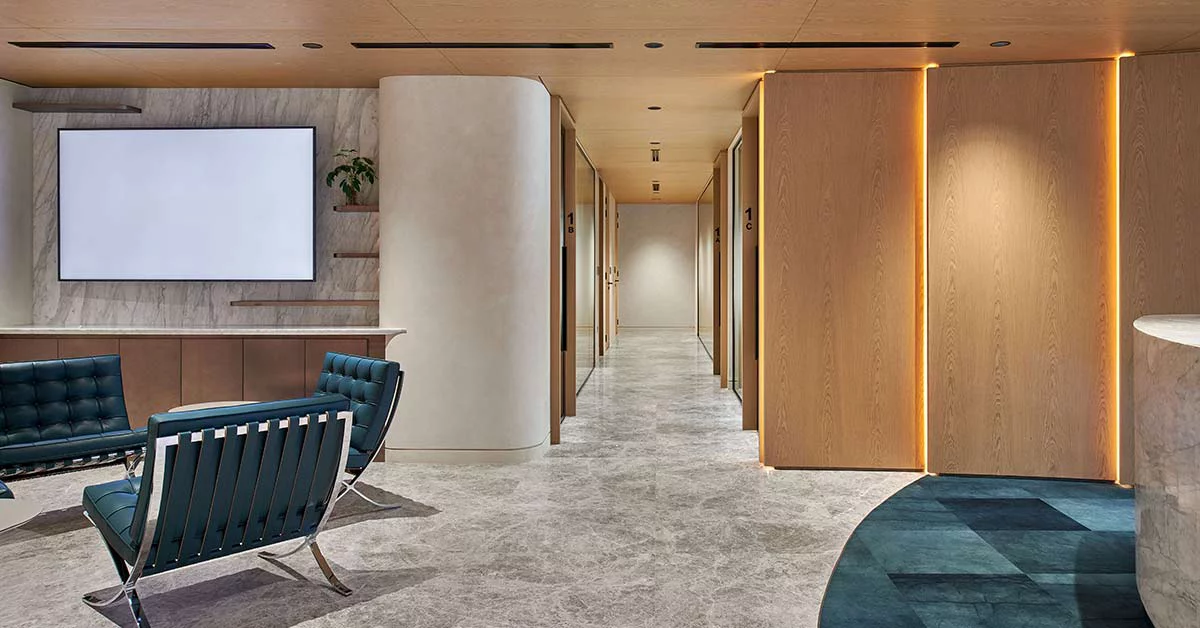
Client story
JLL delivers a people-centric, future-ready workplace for the local branch of a global company
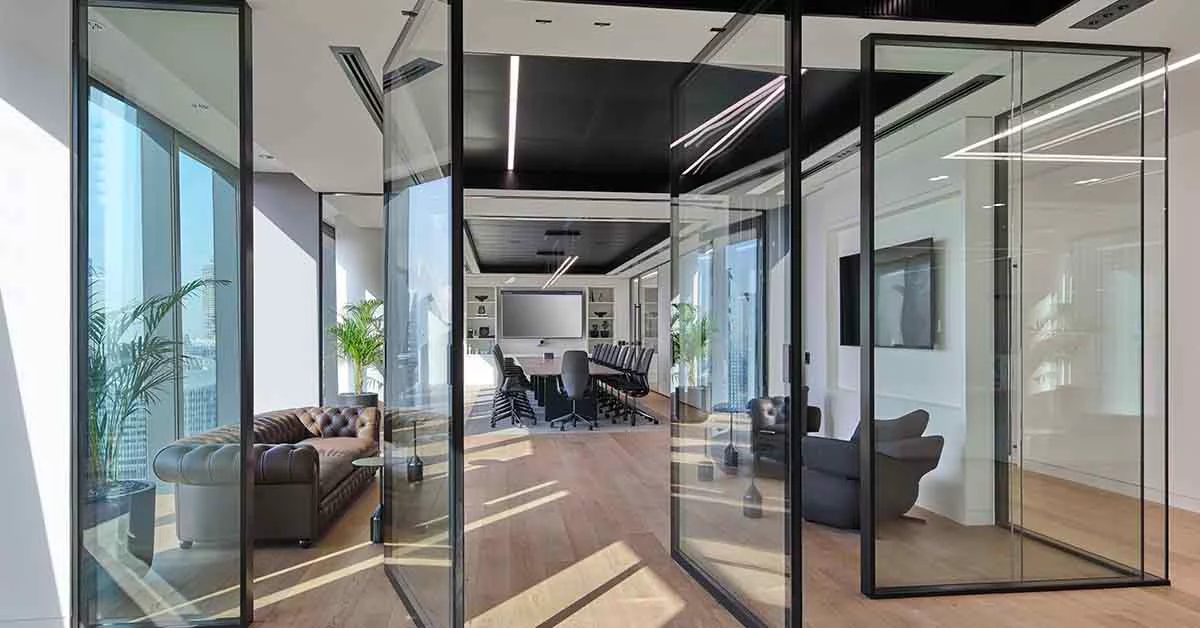
Client story
JLL helps a renowned global law firm move to ICD Brookfield Place
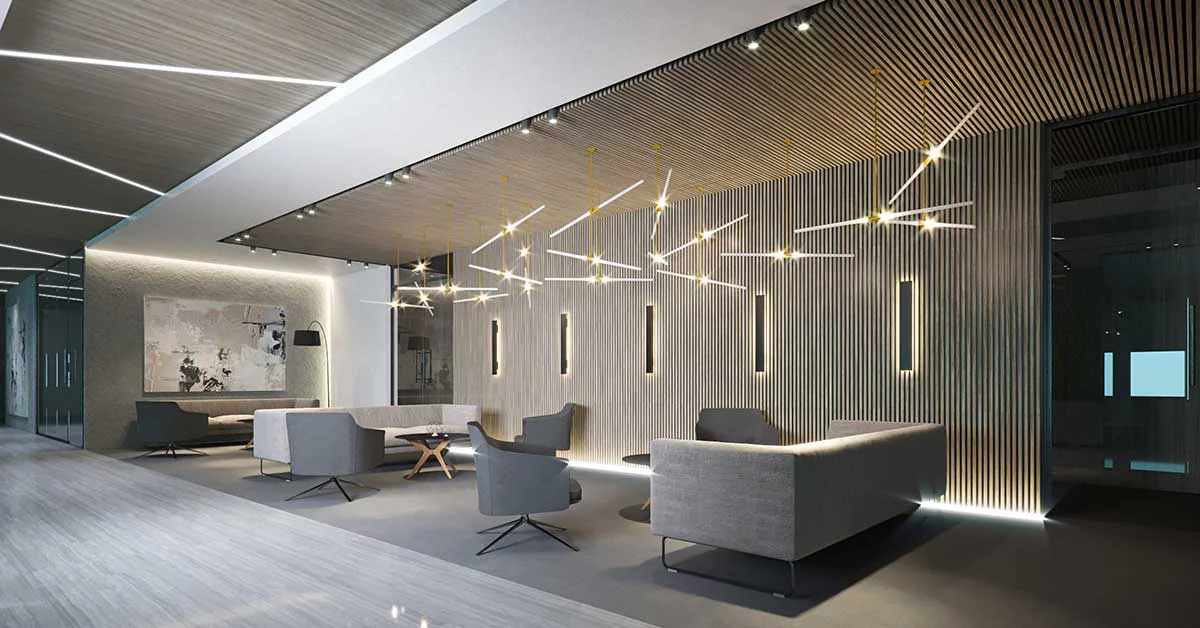
Client story
JLL Delivers Saudi Industrial Development Fund’s New Headquarters

Client story
Where hospitality meets business: One Offices at One Za'abeel
Explore similar offerings
Strategy and design services that encompass planning, construction and project management.
Design solutions
Transformative human experiences accelerate business growth – let our interdisciplinary brand experience experts help your real estate deliver value.
Relocation project management
Our corporate real estate consulting experts minimise disruption with strategic logistics, planning and move management – tailored to business needs.
Development management
Development management provides an end-to-end view on master planning, feasibility and finances, with proven methods for schedule, cost and scope.
Office
JLL has proven expertise in office investment leasing advisory services, helping you attract the right investors, employees and tenants.
Retail
Benefit from retail advisory services with the industry insights, analytics and research needed for the productivity and profitability of investments.
FAQs about workplace strategy
Workplace strategy is the discipline of aligning an organization's physical work environments, technology platforms, and people practices with its business objectives — encompassing where employees work, how space supports different work activities, and what experience the workplace delivers.
Workplace strategy goes beyond real estate optimization. It integrates four interconnected dimensions:
Business alignment: Connecting real estate decisions to enterprise goals — growth plans, talent strategy, culture aspirations, and financial targets — so that every dollar spent on space produces measurable business value.
People and experience: Designing environments around how employees actually work, what motivates them to come to the office, and what experience attracts and retains talent. JLL's Workforce Preference Barometer — surveying 8,700 workers across 31 countries — provides the behavioral data that grounds this analysis.
Space and portfolio: Determining how much space is needed, where it should be located, and what types of environments (focus zones, collaboration areas, social spaces, client-facing areas) the portfolio should contain — informed by occupancy data from JLL's Global Occupancy Planning Benchmark Report.
Technology and data: Deploying workplace technology — booking platforms, occupancy sensors, environmental monitoring, digital wayfinding — that enables flexible work models and generates the utilization data needed for continuous optimization.
JLL delivers workplace strategy through its Strategy & Design practice, with 250+ workplace professionals globally combining strategic consulting, interior design, change management, and technology advisory under one integrated team.
Workplace experience management is the ongoing practice of curating the end-to-end employee journey in the physical workplace — from arrival to departure — through integrated design, technology, services, amenities, and programming that make the office a destination employees choose, not a place they are required to attend.
Workplace experience management operates across four layers:
Physical environment: Space design, furniture, lighting, acoustics, air quality, temperature, and biophilic elements that create a sensory experience supporting productivity, health, and well-being.
Services and hospitality: Concierge services, food and beverage programming, fitness facilities, childcare, wellness offerings, and event programming that create community and convenience — modeled on the hospitality industry rather than traditional corporate services.
Technology: Digital platforms — mobile workplace apps, desk and room booking, digital wayfinding, visitor management, and feedback systems — that remove friction and personalize the experience. JLL's OSIS platform provides the spatial intelligence layer that powers wayfinding and space booking across enterprise portfolios.
Culture and programming: Curated events, community-building activities, learning programs, and social gatherings that give employees a reason to come together in person — reinforcing organizational culture and social connection.
JLL delivers workplace experience management as part of its Strategy & Design practice, integrating experience design with workplace strategy, occupancy planning, and facilities management to ensure that every touchpoint — from the lobby to the last meeting room — delivers on the organization's experience vision.
Workplace strategy is a critical lever for ESG performance because every decision about space — how much, where, what type, and how it operates — directly affects energy consumption, carbon emissions, and the social dimensions of sustainability that ESG frameworks measure.
Workplace strategy advances sustainability across three ESG dimensions:
Environmental — Scope 1/2 emissions reduction: Right-sizing portfolios through occupancy-driven consolidation directly reduces energy consumption. Occupancy-based HVAC controls deliver 20–25% energy savings. 74% of organizations now integrate sustainability targets into CRE portfolio decisions, according to JLL's Global Occupancy Planning Benchmark Report.
Social — employee health and well-being: WELL and Fitwel certifications — achieved through intentional workplace strategy — address air quality, lighting, acoustics, thermal comfort, and biophilic design. WELL-certified workplaces have demonstrated 20% productivity improvements and 10% reductions in absenteeism.
Governance — ESG reporting and transparency: Workplace strategy generates the utilization and energy-intensity data that GRESB, CDP, CSRD, and Science Based Targets frameworks require for real estate-related emissions reporting.
The 3-30-300 rule quantifies why this matters: organizations spend approximately $3 per square foot on utilities, $30 on rent, and $300 on people. Investing in environmental quality — better air, natural light, biophilic elements — costs a fraction of the people line but measurably improves the productivity and well-being of the most expensive asset in the building.
Technology is foundational to modern workplace strategy — providing the data layer that informs decisions, the platforms that enable flexible work, and the intelligence that optimizes space continuously rather than periodically.
Technology operates across four functional layers in workplace strategy:
Data collection and analytics: Occupancy sensors, badge systems, WiFi analytics, and booking platforms generate utilization data. JLL Azara aggregates these sources into a unified analytics platform with AI-driven insights.
Employee-facing platforms: Desk and room booking, digital wayfinding, visitor management, and mobile workplace apps that enable flexible seating and hybrid work. JLL's OSIS platform provides the spatial intelligence layer connecting physical space data to experience platforms like Microsoft Places.
Building automation: Smart building systems that adjust HVAC, lighting, and ventilation based on real-time occupancy — delivering 20–25% energy savings while improving comfort in occupied zones. JLL's Smart Building Platform integrates IoT devices with building management systems.
AI and predictive intelligence: Machine learning models that forecast occupancy patterns, recommend space configurations, detect anomalies, and automate routine decisions — moving from descriptive (what happened) to prescriptive (what should we do) analytics.
JLL's technology-agnostic approach means clients aren't locked into a single vendor platform. JLL partners with multiple sensor manufacturers, analytics providers, and IWMS platforms to recommend the right technology stack for each organization's requirements and existing infrastructure.
Workplace strategy provides the demand-side intelligence — how people actually work, what spaces they need, and how occupancy will evolve — that drives portfolio optimization and lease decisions. Without workplace strategy, portfolio optimization becomes a purely financial exercise that risks underserving employees and losing talent.
The connection operates in both directions:
Strategy informs leasing: Workplace strategy determines the real space requirement — not headcount × standard square footage, but the actual space program based on work patterns, sharing ratios, and growth projections. JLL data shows average space per person declining from 165 to a target of 132 RSF — directly affecting lease size, term, and building quality requirements.
Leasing constrains strategy: Lease expiration timelines, renewal options, and termination clauses define the windows within which workplace strategy can be implemented. JLL's tenant representation advisors and workplace strategists collaborate to align strategy execution with lease events.
Portfolio optimization requires both: 73% of CRE leaders prioritize portfolio optimization. Effective optimization requires workplace strategy (defining what the organization needs) and occupancy data (quantifying what is actually used) to determine which locations to retain, consolidate, redesign, or exit.
A global financial services firm worked with JLL to integrate occupancy data with portfolio analysis, generating $120 million in savings by aligning its real estate footprint to actual workforce demand through a data-driven strategy.
A comprehensive workplace strategy should evaluate three categories of certification: wellness certifications (WELL and Fitwel) that address the human experience, environmental certifications (LEED and BREEAM) that address building performance, and emerging frameworks (RESET and Wired Certification) that address air quality monitoring and digital connectivity.
WELL Building Standard: Administered by the International WELL Building Institute, WELL addresses 10 health concepts: air, water, nourishment, light, movement, thermal comfort, sound, materials, mind, and community. WELL-certified workplaces have demonstrated 20% productivity improvements and 10% absenteeism reductions. WELL certification signals a commitment to occupant health.
Fitwel: Developed by the CDC and administered by the Center for Active Design, Fitwel is a more accessible certification framework focused on health outcomes. Fitwel-certified buildings command a 4.6–4.8% rent premium and are particularly relevant for organizations seeking wellness credentials without the cost and complexity of WELL.
LEED: The Leadership in Energy and Environmental Design standard addresses energy efficiency, water conservation, materials selection, indoor environmental quality, and site sustainability. LEED certification is the most widely recognized environmental credential in commercial real estate, and is a proven investment that drives green rental premiums.
Emerging frameworks: RESET measures real-time air quality. Wired Certification by WiredScore measures digital connectivity infrastructure. Both are increasingly relevant as technology readiness and indoor air quality is now a strategic workplace differentiator.
Corporate carbon commitments require organizations to integrate sustainability into their CRE strategy. JLL's workplace strategy practice works with the Sustainability Program Management team to identify which certifications align with each client's ESG commitments and deliver the highest return on investment.
Biophilic design is the intentional integration of natural elements — living plants, natural light, water features, organic materials, nature views, and natural ventilation — into the built environment. Research shows biophilic design improves productivity and creativity by up to 15%, enhances cognitive performance, and reduces stress while simultaneously supporting sustainability objectives.
Biophilic design operates through five strategies:
Direct nature contact: Living walls, indoor gardens, water features, and access to outdoor spaces that provide sensory engagement with natural elements.
Natural light optimization: Maximizing daylight penetration through glazing strategies, light shelves, and open floor plans — reducing artificial lighting energy consumption while improving circadian health.
Organic materials and patterns: Wood, stone, natural fabrics, and irregular patterns that evoke natural environments — replacing synthetic materials and rigid geometries.
Prospect and refuge: Designing spaces that offer both open views (prospect) and sheltered, intimate areas (refuge) — mirroring the environmental preferences humans evolved to seek.
Sensory variability: Air movement, temperature variation, acoustic diversity, and changing light conditions that stimulate the senses — preventing the sensory deprivation of fully controlled indoor environments.
JLL's Workforce Preference Barometer found that 47% of employees prioritize access to green elements and natural environments in their workplace. JLL's Design practice integrates biophilic principles into workplace strategy as a standard component, not an optional upgrade.
JLL structurally connects workplace strategy with occupancy planning, design, experience management, and facilities management with defined handoff points, shared data platforms, and a single client relationship that prevents service silos.
The integration operates through four connected disciplines:
Workplace strategy to occupancy planning: Workplace strategy defines the vision (what kind of space, for what work activities). Occupancy planning provides the quantitative analysis (how many people, how much space, which locations). The two disciplines share data continuously—occupancy findings inform strategy, and strategy targets guide occupancy modeling.
Workplace strategy to design: JLL's workplace strategists produce the design brief—activity zones, space type ratios, experience standards, technology requirements—that JLL's interior designers translate into floor plans, materials, furniture, and construction documents. This continuity ensures the built environment reflects the strategic intent.
Workplace strategy to experience management: Strategy defines the experience vision. Experience management operationalizes it through hospitality services, amenity programming, community events, and digital platforms that sustain the experience over time, and not just at move-in.
Workplace strategy to facilities management: Utilization data from FM operations (maintenance requests, environmental monitoring, cleaning patterns) feeds back into ongoing strategy refinement. JLL's integrated FM platform ensures that workplace strategy insights reach the teams operating the buildings daily.
This integration model is operational across major engagements. JLL's work with Koch Industries demonstrates full integration — workplace strategy, experience services, portfolio optimization, and facilities management delivered under a unified operating model across 140 million square feet in 50+ countries.

Meet our workplace strategy experts
See how we help our clients align their workplace strategies in an evolving market.

Maroun Deeb


Ahmed Hemmat
Contact us about workplace strategy services
Unlock the power of our local expertise to transform your real estate challenges into strategic advantages, optimising your portfolio for enhanced value and performance.