Insights by Vivek Bhavsar, Director, Consulting – MENA at JLL
26 August 2025
Insight
26 August 2025
The next untapped wave of branded residences
Categories:
Authors
Vivek Bhavsar
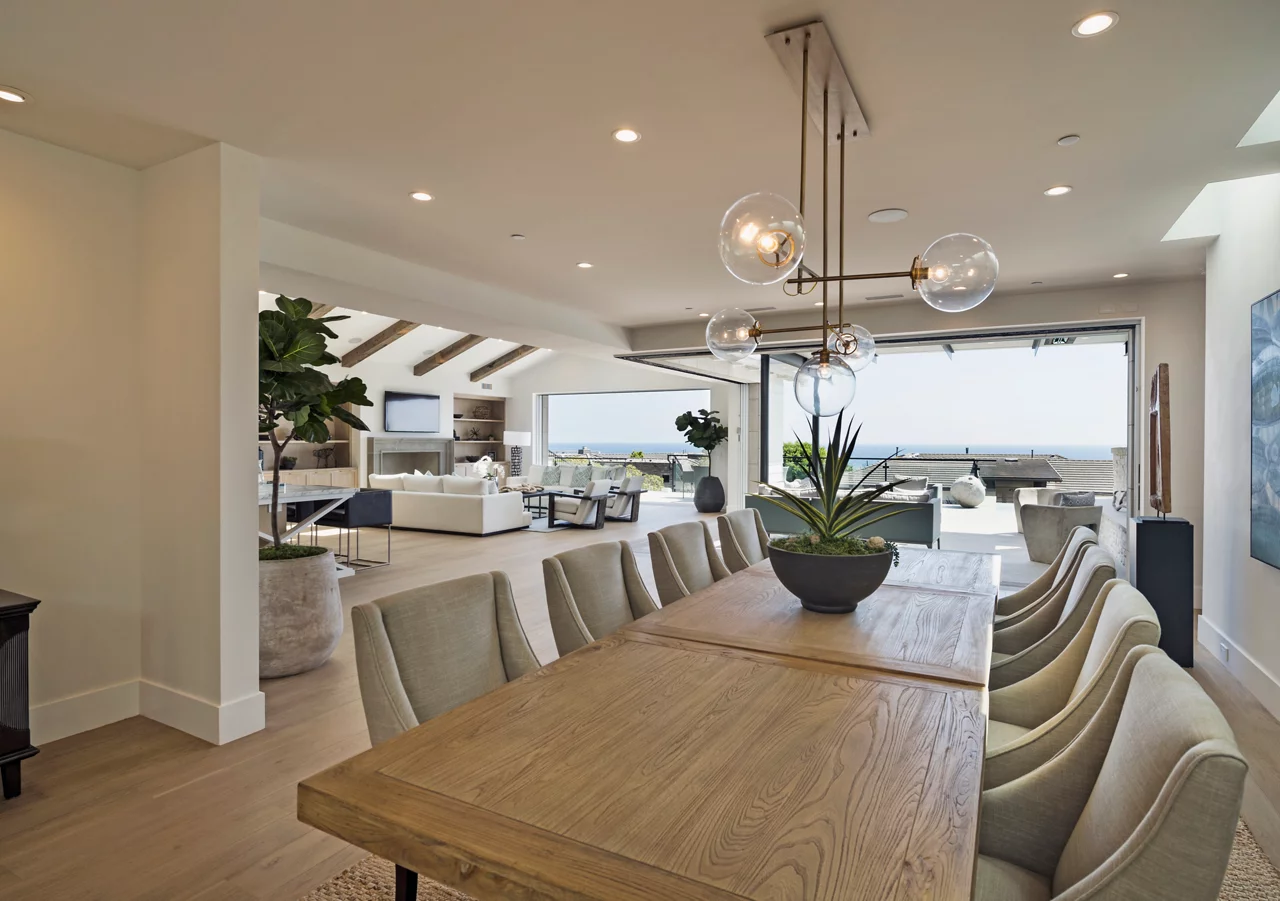
Fashion, cars, designs and celebrity: The next untapped wave of branded residences
Growth in high-end residential projects expands beyond hotels, inviting global brands in fashion, automotive, and design to capture elite homebuyers.
The Kingdom of Saudi Arabia's (KSA) real estate landscape is in the middle of a major transformation, thanks to the country’s Vision 2030. At the forefront of this transformation are branded residences, luxury homes that come with the prestige of world-renowned brands. While partnerships with top hotels have witnessed traction, a new opportunity is emerging in the Kingdom. This invites developers and investors to look beyond the traditional hospitality model and explore a more diverse, dynamic, and untapped market.
Who aspires to branded living?
The main buyers for branded homes are the world's elite: Very High Net Worth Individuals (VHNWI) with assets over $5 million and Ultra-High Net Worth Individuals (UHNWI) with over $30 million. This marks a change from the past, when many such wealthy Saudis would purchase luxury properties in global hubs like London or Paris, causing significant investment capital to flow out of the Kingdom.
For these buyers, a branded home is more than just a place to live. It's a status symbol, a smart way to grow their investment portfolio, and a ticket to a lifestyle filled with premium amenities.
The untapped opportunity
A look at sample data from advanced global markets like Dubai and Miami reveals how the branded residence sector has evolved beyond hotel partnerships. In such hubs, the landscape now includes a vibrant and balanced mix of both hotel and non-hotel brands. The branded residence landscape has evolved to include a diverse yet balanced mix of both hotel and non-hotel brands. The non-hotel segment, featuring partnerships with automotive and fashion powerhouses, has become a vital part of the market, making up over 55-60% of all projects.
The format of choice is also clear, with apartments representing over 90% of these branded homes, leaving a small niche for villas. For KSA, a clear opportunity exists to build on its strong foundation of hotel-led branded residence projects and capture the next wave of growth by partnering with a new world of luxury brands.
Building on KSA's strong foundation
The Kingdom has already started its journey into the branded residences sector, marked by strategic, high-profile developments.
Riyadh is leading the way. The recent announcement of Trump Towers in Riyadh shows the capital's growing appeal for non-hospitality branded residences. Earlier, the Ritz-Carlton Residences in Diriyah Gate, designed with beautiful Najdi heritage, sold out quickly, proving a powerful appetite for ultra-luxury living in the market.
Designer brands are making their mark. Adding to the luxury offerings in Diriyah Gate, Armani has launched its own branded homes. This follows the trend that began in Jeddah with Damac Al Jawharah (Versace) in 2014.
Coastal charm is a major draw. Jeddah is making the most of its beautiful coastline with projects like the recently launched Trump Tower. Future mega-projects, like The Red Sea Project, are further enriching the Kingdom's offerings, including branded overwater and beach villas from top names like Nuzuma Ritz-Carlton Reserve and Raffles Red Sea.
Brands expanding into new horizons
The greatest opportunity now lies in diversifying beyond traditional hospitality brands. To captivate the next generation of buyers, developers can explore partnerships across a vibrant landscape of non-hotel sectors. This strategy allows for a broader market reach and unique, differentiated offerings.
Haute couture and design: Imagine living in a home designed with the elegance of a high-fashion label. Collaborating with famous designers like Elie Saab or luxury houses such as Armani and Bulgari gives a property a unique style that appeals to buyers who want their home to be a personal statement.
Luxury automotive: Brands like Porsche and Aston Martin are known for their precision, technology, and loyal fans. Car lovers can live in a space that reflects the cutting-edge design and power of their favourite automotive brand, creating a modern and unique home.
Lifestyle, wellness, and entertainment: This growing category includes culinary-lifestyle brands such as Nobu and design-focused concepts like YOO, to unique sports-themed residences like the new Chelsea FC Residences by Damac. The partnerships appeal to buyers who value experiences and community as the greatest luxuries of all.
What will drive the momentum and how to navigate it?
Market forces reshaping investment patterns
First, wealthy Saudis will increasingly choose to buy luxury homes in their own country, which keeps more investment within the region. As more high-end homes become available locally, less money will be spent on trophy properties overseas. Second, the country's exciting economic growth and big tourism goals will continue to attract rich buyers from all over the world.
Building successful brand alliances
To make the most of this opportunity, developers must find the right brand partners who truly connect with the lifestyle and values of their target audience. The regional presence of many global luxury brands, combined with KSA's ongoing market reforms, creates favourable conditions for brand expansion within the Kingdom. These partnerships particularly appeal to entry-level VHNWIs who may find current hospitality-branded residences, typically positioned for UHNWIs, beyond their preferred investment range.
Addressing key challenges
However, developers need a smart plan to navigate key challenges. They will need to educate potential buyers, as many are still new to the idea of branded homes, especially in KSA. Another key challenge limiting the introduction of non-hospitality branded residences is the specialised expertise required from operators and asset managers. Unlike hotel-branded residences that have established operational frameworks, non-hospitality projects require unique skills. These projects demand expertise that combines luxury residential management with brand stewardship across automotive, fashion, or lifestyle sectors. While this specialised capability is currently limited in the market, it is beginning to emerge. As this expertise becomes more accessible, developers can explore non-hospitality partnerships with greater confidence and reduced operational concerns. operational concerns.
Evolving buyer preferences
As the market grows buyers will demand more creative and international designs that serve [VB16] [IK17] as powerful status symbols. Developers can also leverage the prominent gifting culture within affluent families in the Kingdom to expand their target market.as powerful status symbols. Developers can also leverage the prominent gifting culture within affluent Saudi families to expand their target market.
Maximising competitive returns
For developers and investors shaping KSA's new masterplans, partnering with brands in the automotive, fashion, or entertainment sectors offers a competitive edge. While masterplans in tourism locations can focus on hotel associations, these non-hospitality brand partnerships are particularly well-suited to city-based developments in major urban centres like Riyadh and Jeddah. Non-hospitality partnerships will help create unique destinations that expand market appeal locally as well as globally, enhance developer profiles and investor portfolios, and help maximise returns.
At JLL, our experts leverage global brand insights and local market data to provide the data-driven strategy and guidance you need to turn this unique opportunity into a market-leading success. To learn more, visit JLL MENA.