The rise of closed-loop experiential platforms
21 October 2026
Insight
21 October 2026
The blurring boundaries between leisure and infrastructure
Categories:
Authors
Joe Stather
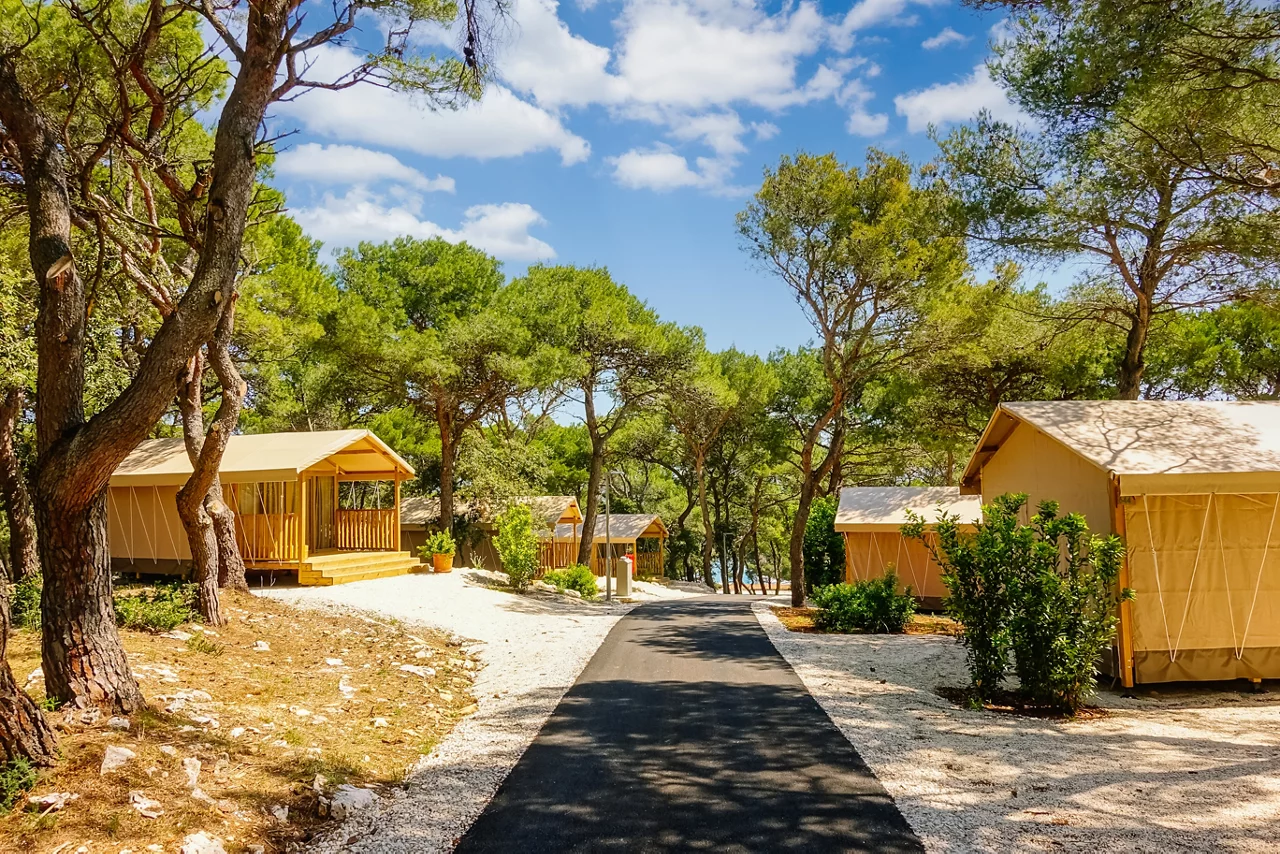
Institutional allocators are materially increasing exposure to experiential leisure as consumer spending shifts structurally toward experiences over goods.
Global private equity and institutional investors are deploying billions behind platforms with proven brand equity, operational depth, and compounding physical infrastructure. Transaction activity targets full acquisitions or significant minority stakes, reflecting that value resides in operating systems, customer data, and management capability as much as underlying real estate.
Three core dynamics
Capital Structure Sophistication – Property Company ( PropCo ) structures (5.25-6.5% yields) attract insurance companies and pension funds via long-term leases. Operating Company ( OpCo ) platforms (11-16% yields) enable rapid expansion for private equity and sovereign wealth. Integrated ownership (7.5-10.5% yields) provides infrastructure funds with balanced exposure to real estate value and operational upside.
Infrastructure-Like Demand – Domestic accessibility, repeat visitation, and spending tied to wellbeing create consumption durability exceeding traditional travel. Over 80% of European travelers prioritize multigenerational experiences, supporting occupancy resilience across cycles.
Supply-Side Constraints – Planning barriers, 5-8 year development cycles, and capital requirements exceeding £250 million structurally limit replication, reinforcing long-term pricing power.
Integrated leisure platforms exhibit infrastructure-like demand patterns: domestic accessibility, repeat visitation, and spending tied to wellbeing, family time, and social connection. European travel intent for spring/summer 2026 reached the highest level since 2020, with demand shifting towards intra-European and drive-to formats.
Five behavioural drivers
Multigenerational consumption – Over 80% of travelers prioritize cross-generational activities, with older cohorts increasingly funding family trips.
Digital fatigue – Screen saturation drives demand for physical, wellness-oriented experiences perceived as authentic.
Climate adaptation – Weather volatility increases preference for flexible, year-round platforms.
Short-break dominance – Shorter, frequent trips maximizing experience density outperform complex patterns.
Adaptive demand – Consumers adjust rather than cancel. Spending linked to family time and wellbeing resists disruption.
The top five consumer spending categories—vacation, dining, entertainment, and health & wellness—are the revenue streams integrated leisure platforms consolidate within single destinations. This explains platform defensibility: capturing multiple high-priority categories simultaneously increases customer lifetime value whilst reducing single-revenue-stream dependence.
The entry window is closing
European pension funds and insurers are backing platforms with attractive returns and fundamentally different risk drivers than traditional hospitality: domestic short breaks, multigenerational gatherings, and wellness spending persist across cycles.
Leading platforms with high repeat visitation and embedded brand loyalty are being consolidated by capital with decade-long hold horizons—functioning more like regulated infrastructure than cyclical hospitality.
The question is no longer whether experiential leisure will institutionalize—that transition is complete. It's whether investors gain exposure before full repricing towards infrastructure-style valuations.
Download the full report for platform economics, capital structures, and transaction analysis.