From golf courses to cultural centers, major facilities become catalysts for community transformation
10 March 2026
Insight
10 March 2026
How anchor developments are transforming Middle East communities
Categories:
Authors
Tarurendra Mishra
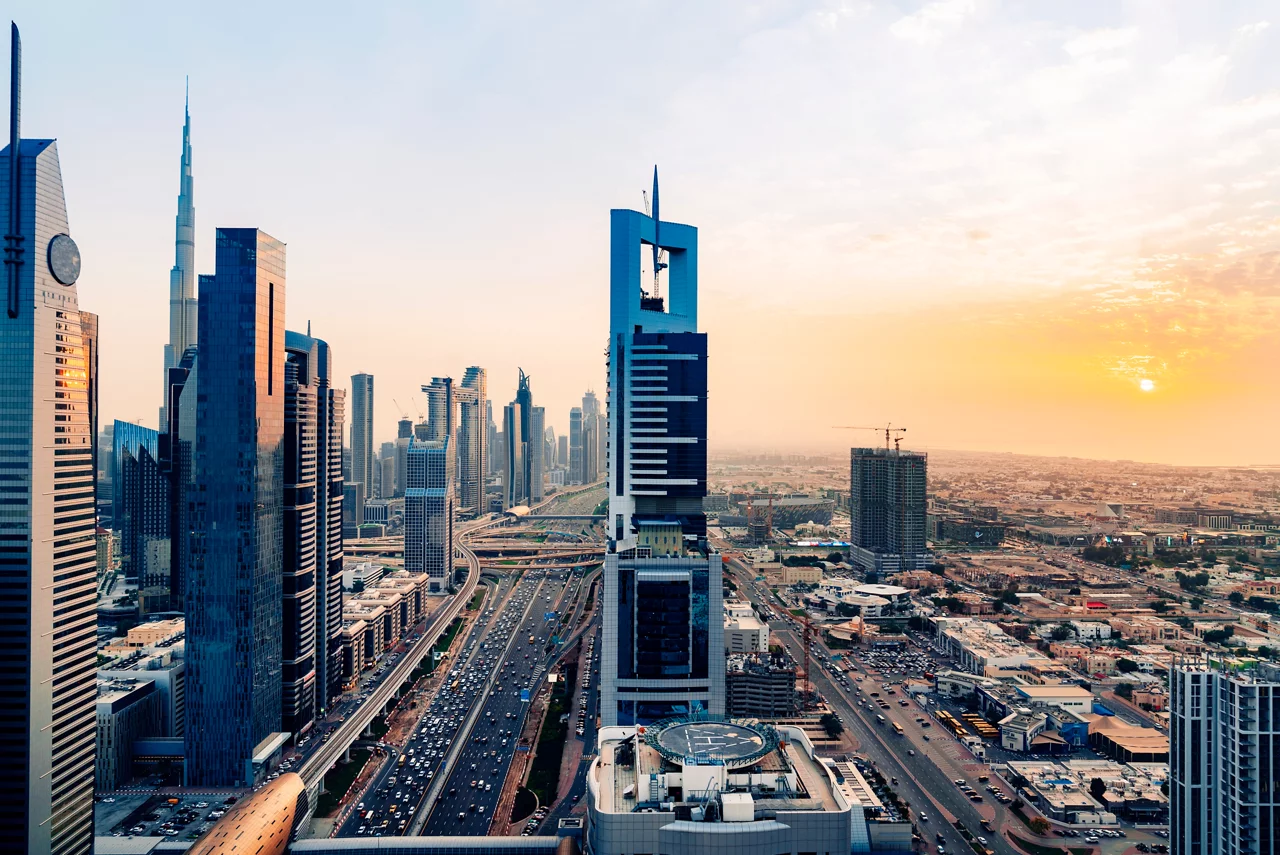
The Middle East is witnessing a shift in how communities are built, with anchor developments taking centre stage in master-planned projects. These major facilities like golf courses, theme parks, sports complexes, racecourses, theatres, museums, cultural centres and parks are strategically placed at prime locations and key intersections, making them easily accessible to everyone.
What makes them powerful is their ability to become iconic landmarks that contribute to the overall identity of cities and regions. They bring people together through gatherings, events, and activities as focal points for economic activity, social interaction and community engagement. The result is thriving neighbourhoods that attract residents, businesses, and visitors and boost property values and quality of life.
Economic impact drives growth
The economic momentum in the region is significant. The UAE currently hosts between 340 to 350 sports clubs across various sports offerings such as football, rugby, horse racing, marine sports and basketball, among others. The sector is expected to grow at 4-5% over the next three to five years. Market penetration, currently standing at 4-5%, is projected to reach double digits by 2026 to early 2027.
These developments attract tourists and visitors, generating significant economic activity for local businesses throughout surrounding areas. Properties around anchor developments see increased values as demand rises from people wanting access to high-quality amenities. The economic impact spreads throughout communities, creating opportunities for local art and culture to flourish while supporting broader business ecosystems.
Sports reshape societies
Saudi Arabia's Quality of Life initiative shows how anchor developments can transform societies. The programme increased Saudi citizen sports participation from 13% to 20% by 2020, targeting 40% by 2030.
Currently, 40 new sports stadiums and facilities are under development across Saudi Arabia. These projects span urban centres and remote locations, ensuring quality amenities reach diverse populations at different income levels through partnerships between public and private entities.
Global landmarks emerge
Major sporting events show how anchor developments elevate destinations globally. Qatar's FIFA World Cup infrastructure included stadiums, hotels, and transportation networks that continue serving the country and attracting international attention and investment.
Dubai followed a similar approach, establishing itself as a global entertainment hub through the Dubai World Cup horse race, Dubai Tennis Championships, and cricket tournaments. This success has inspired real estate projects throughout the Middle East to centre on sports and leisure facilities. These developments include theme parks, golf courses, racecourses, and beach resorts that target both tourists and residents.
Cultural identity creates belonging
Anchor developments succeed by balancing local heritage with modern amenities. Facilities like theatres, museums, and cultural centres celebrate local traditions and foster community engagement. These spaces promote social interaction and cohesion through gatherings, events, and activities.
Cultural elements embody community history and values, creating a sense of belonging that strengthens social bonds. These developments also support local artists and cultural initiatives.
Integrated planning drives sustainability
Modern anchor developments encourage integrated urban planning that promotes sustainable growth and development patterns. Rather than functioning as isolated attractions, they incorporate green spaces and sustainable practices that contribute to environmental health while promoting walkable, connected communities.
Mixed-use developments surround anchor facilities with residential, retail, and office spaces. People can live, work, and enjoy recreational activities without extensive travel, creating 24-hour communities with sustained activity. Many facilities incorporate sustainable design practices and green technologies that reduce environmental impact.
Partnerships enable success
The region's development boom relies on partnerships between public and private sector entities. The Quality-of-Life initiative includes football stadiums, basketball courts, tennis courts, swimming pools, and fitness centres developed through collaborative models.
These partnerships allow for larger-scale projects that serve both professional and amateur levels. Private developers bring efficiency and innovation while public sector involvement ensures community access and alignment with broader social goals.
Shaping tomorrow's communities
As Middle East countries continue investing in sports infrastructure, cultural facilities, and entertainment venues, anchor developments will shape how communities grow and thrive. The success emerging from Qatar, Dubai, and Saudi Arabia provides models for creating distinctive developments that serve as regional landmarks.
This reflects changing expectations about desirable communities. Today's residents want access to experiences, culture, and amenities that enhance daily life beyond basic housing needs. These developments also attract broader regional interest.
The Middle East stands at a pivotal moment in community development. By embracing anchor developments that blend sports, culture, and social spaces, the region is creating communities that meet the ambitious goals outlined in national vision programmes. As these developments continue to evolve, we remain committed to providing comprehensive consulting services to support this transformation. Visit JLL MENA to learn how we can help navigate these opportunities and capitalise on the immense potential in this dynamic market.