GCC focus
20 July 2026
Insight
20 July 2026
EMEA Life Sciences Industry & Cluster Report 2026
Categories:
Authors
Taimur Khan
George Beaton
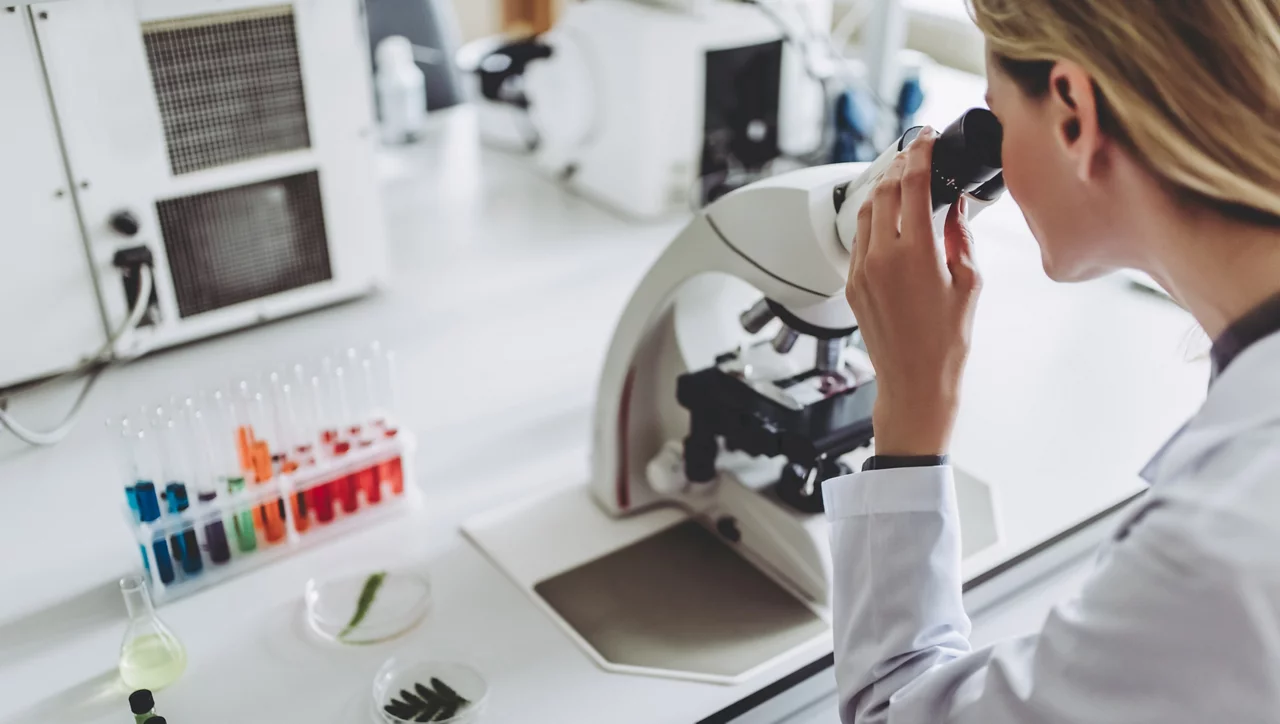
The GCC (Cooperation Council for the Arab States of the Gulf) pharmaceutical market topped $30B in 2025, with biotech investment exceeding $12B over the past five years, signalling a fundamental transformation in the region's approach to life sciences.
Recent global and regional crises have catalysed a strategic shift, elevating healthcare self-sufficiency from a long-term vision to a pressing national security imperative. The COVID-19 pandemic exposed extreme vulnerabilities in global pharmaceutical supply chains, whilst regional conflicts disrupting maritime trade amplified the economic and security risks of import reliance.
Governments are now deploying accelerated, large-scale investment to build robust domestic production capabilities. Saudi Vision 2030 and the UAE's AED 300B 'Operation 300B' are channelling billions into R&D hubs and advanced manufacturing, whilst generics are set to reach $14.7B by 2032 and biosimilars grow at 15–20% annually.
Specialised clusters are emerging across the region—from Riyadh and Dubai as integrated leaders to Abu Dhabi and Doha as research specialists—creating compelling real estate opportunities in laboratory, manufacturing, and cold-chain logistics infrastructure. Yet significant gaps remain in large-scale clinical trial capacity, presenting substantial near-term investment potential.
EMEA Life Sciences Report 2026 key insights: GCC focused
Defining GCC’s clusters through R&D and manufacturing credentials
The GCC life sciences landscape is characterized by distinct cluster specializations, each playing a strategic role in the region's path to self-sufficiency.
Want to learn more?
Get in touch with our team to find out how we can support your real estate strategy with market insights and strategic advice.

Taimur Khan
Head of MEA Research - MEA
George Beaton
EMEA & UK Life Science Research Lead