Indonesia's real estate market enters 2026 with strong momentum across offices, data centers, and logistics as the market evolves and new opportunities emerge.
30 January 2026
Insight
30 January 2026
Indonesia real estate: what’s in store for 2026?
Categories:
Authors
James Taylor
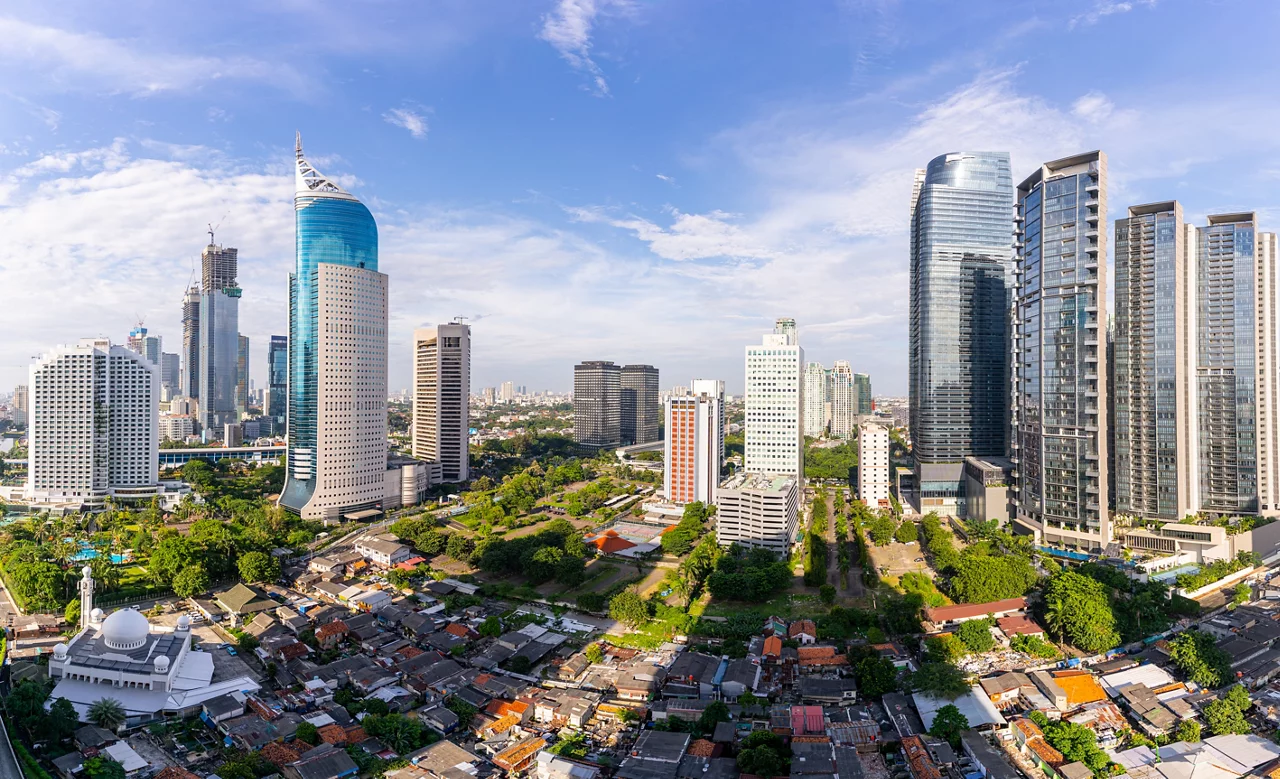
In the final quarter of 2025, JLL celebrated 45 years in Indonesia. Over the course of nearly half a century, the real estate landscape in the world’s fourth most populous country has changed beyond recognition but what does the future hold? In this blog we will explore some of the trends shaping Indonesian real estate as we enter 2026.
- The office market is bouncing back. 2025 saw a return to demand levels not seen since before the pandemic, rental growth turned positive after a decade of compression and the supply pipeline thinned out. Our office outlook has been upgraded and we expect the positivity to remain throughout the coming year and beyond. Demand will be strongest in Premium grade A buildings but with space filling up in the best buildings in the city, the rest of the market will also enjoy some upside.
- However, this will not change the fact that unprecedented volumes of new supply over the past ten years have left around two million sqm of office space vacant. Some landlords of older buildings will look to retrofit their assets while others may explore the possibility of changing the usage to other asset classes.
- Data Centers are growing almost everywhere and Indonesia, Southeast Asia’s biggest digital economy, is no exception. Colocation inventory in Jakarta has tripled since 2021 and we expect more growth in 2026. Greater Jakarta and Batam are the main two markets to watch but we expect to see activity across the archipelago.
- The Logistics and Industrial landscape has transformed over the past ten years from a small local market to an extremely active one that has attracted some of the biggest global players including Sovereign Wealth Funds, institutional investors, insurance companies, private equity and fund managers. Warehouse stock has tripled during this period and vacancy remains extremely tight. Demand in 2025 was a historical record and 2026 will be another big year as traditional drivers such as third party logistics and consumer goods are joined by newer players from Mainland China.
- In additional to the well established sectors in core locations, alternative asset classes are also catching the eyes of investors, particularly in Special Economic Zones across the country. Healthcare, manufacturing, education and hospitality are all likely remain extremely active in 2026.
There will, of course, always be headwinds and Indonesia has had its fair share of challenges over last 45 years. However, the economic scale of the country and its demographics will ensure that there will always be opportunities and we are broadly optimistic about the year ahead.