Successful, purpose-built developments use effective strategies to keep revenue flowing between different asset types
29 October 2024
Guide
29 October 2024
Mastering the mixed-use property management ecosystem
Categories:
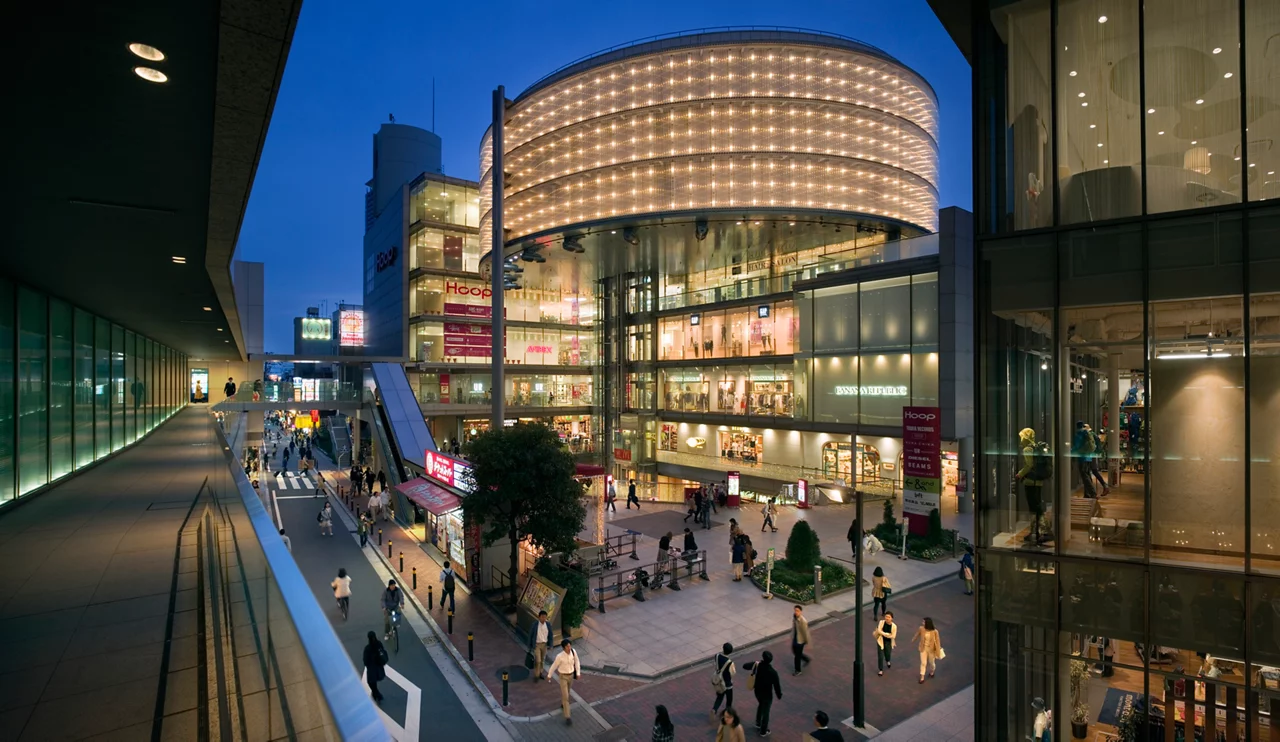
Today’s mixed-use developments are increasingly recognized for their upside potential as well as the positive impact they generate within communities. But bringing these vibrant “cities within a city” to life in a way that also maximizes cash flow presents a sizable hurdle.
When office, retail, multifamily and hospitality coexist on a single site, the success of the development largely falls on the management and leasing strategy. It’s about so much more than tracking revenue streams. The competing interests of the varying asset types must be set aside for the benefit of the entire property ecosystem, which is easier said than done.
There are several strategies for creating an integrated approach that not only enhances the consumer experience but also drives foot traffic, keeps people on site and best positions the property for achieving ownership’s investment goals. It all starts with communication and collaboration.
Creating meaningful, cross-property partnerships
A collaborative approach is fundamental to managing mixed-use properties, and it works even better if there is a property manager or general manager serving as an impartial “maestro” orchestrating a holistic cross-property strategy. Regularly bringing property managers and stakeholders together from all asset types facilitates meaningful discussions aimed at maximizing property value. This collaborative mindset fosters idea exchange, enabling a more holistic decision-making process. Most importantly, it establishes trust and teamwork.
Ignoring this strategy can dilute brand strength and visitor experience. For example, what if the hotel general manager plans a big event but does not include the valet manager in the planning? What if the multifamily property has scheduled an event on the common lawn at the same time landscaping is scheduled by the office manager? There are an overwhelming number of decisions being made daily that affect multiple stakeholders, and without the right coordination of those decisions and resulting activities through a project-wide leadership structure, there is no line of sight between all stakeholders. These blind spots lead to a functional break down, and reputational risk grows.
Another benefit of a vertically integrated management platform is the economy of scale that comes from shared goods and services. Leveraging service contracts and material purchases across the project uses creates scale unachieved by any single use. Examples of this scale include everything from elevator maintenance, janitorial services and products, security and engineering services. Leveraging this scale creates efficiency, better coordination and opportunities for cost optimization.
An annual planning session with all stakeholders to create a collaborative business plan and budget is highly recommended. This initial session, reinforced by cadenced operational meetings throughout the year, ensures continued alignment and a sound operational and financial strategy. It is also critical for delivering a cohesive and authentic experience for project end users, such as tenants, residents, shoppers, hotel guests and other visitors.
“In developing an operational business plan with multi-stakeholder consideration, it helps to invoke an inclusive approach like a charette process where everyone has a voice, but ultimately achieve alignment in how to proceed,” said Sean McNamara, Managing Director, Mixed-use Property Management at JLL. “When time, effort, money and ultimately project brand identity are at risk, it is important to get stakeholder alignment.”
Driving (the right) traffic
Retail is usually considered the front door to a mixed-use development, and attracting the right retailers is crucial to the property’s health and vibrancy. Consider the fact that 46% of U.S. mall redevelopments are mixed-use and typically retain retail spaces, highlighting the importance of retail as a primary driver of foot traffic.
Successful mixed-use developments use carefully curated tenant mixes, which are evaluated for how complementary they are to each other and the needs of the people who live and work there. Development of a retail merchandising strategy helps a project succeed, impacting placemaking within the project boundaries and shared facilities.
At Halcyon, a 455,000-square-foot mixed-use property in Forsyth County, GA, the perfect retail tenant mix was a top strategic priority, and it paid off. After defining the property's identity, vision and target audience, it was important to do a deep dive into the needs of the local consumer. The result was the perfect blend of new-to-market concept retailers, authentic local brands, nationally established household names and fresh F&B concepts. The positive result is reflected in the data, which indicate that property visits last year totaled 2.5 million people and have increased 51.2% over the past three years.
Programming shareable events
Events and amenities that transcend office, retail and multifamily spaces go a long way in bringing a unified experience and creating brand loyalty at the property. The programming of events and amenity spaces should always be evaluated with a holistic lens. When applicable and appropriate, programming can also create opportunities for additional revenue potential. The latter should never be at the expense of the end user experience or the project’s tenants and residents.
In certain cases, programs can create alignment with project stakeholders across uses. For example, if you are hosting tenant events in an office building, why not use your retailers to create and elevate the experience such as a health and beauty fair or a food and beverage event? This simultaneously creates retailer demand and a better office experience leading to tenant retention—moreover, it has a direct effect on returning tenants’ employees to a commute-worthy office.
Shoppers, residents and office workers all have one thing in common—they love having access to luxury or entertainment options they wouldn’t normally have. The open green space that is a hallmark of most mixed-use developments is a valuable landscape for programming these unique and exclusive events across asset types.
By creating and merchandising the perfect placemaking strategy, the entire ecosystem can thrive. “These purpose-built communities serve the individual needs of each vertical and maximize their cash flows by ‘keeping the dollars in house’, so to speak,” said Lela Cirjakovic, Managing Director, Multifamily Property Management for JLL.
Bringing a hotel service ethos
After working hard to drive people to the property, it is critical to give them a five-star experience. All mixed-use developments should emulate the service ethos present in a hospitality environment. Quality hotels are skilled in bringing disparate people, departments and services together to create a unified guest experience. The core of this strategy is to ensure that all services complement—rather than compromise—each other while elevating delivery at all points of service.
The hotel service ethos will leave every tenant, resident and visitor feeling like they have had a consistent experience across every corner of the property.
Keeping the ecosystem thriving
Mastering the mixed-use property management ecosystem requires constant evolution. Data must be collected and analyzed to assess the plan’s performance. Plenty of mixed-use properties have unused amenity spaces, events that are landing flat, or retailers that are not thriving. Regular planning sessions using meaningful data analytics to review performance will empower the property management team to adjust strategies as needed, with confidence.
Mixed-use developments are here to stay; however, the people patronizing them are not going to get less discerning, and the residents who live there are going to expect an environment that feels like home. With so much at stake across these ambitious projects, it is important to constantly evaluate your strategy and seek opportunities for improvement and evolution. Quantitative metrics like foot traffic, lease renewals and store sales, coupled with qualitative stakeholder feedback are all valuable in this continuous pursuit. Purpose-built environments where everyone works toward a common goal can set a mixed-use development on the right path.
Learn more about adopting a balanced management strategy that creates long-term value.