Can employers deliver a “well-rounded” approach to the office?
06 June 2024
Guide
06 June 2024
Creating exceptional workplaces
Categories:
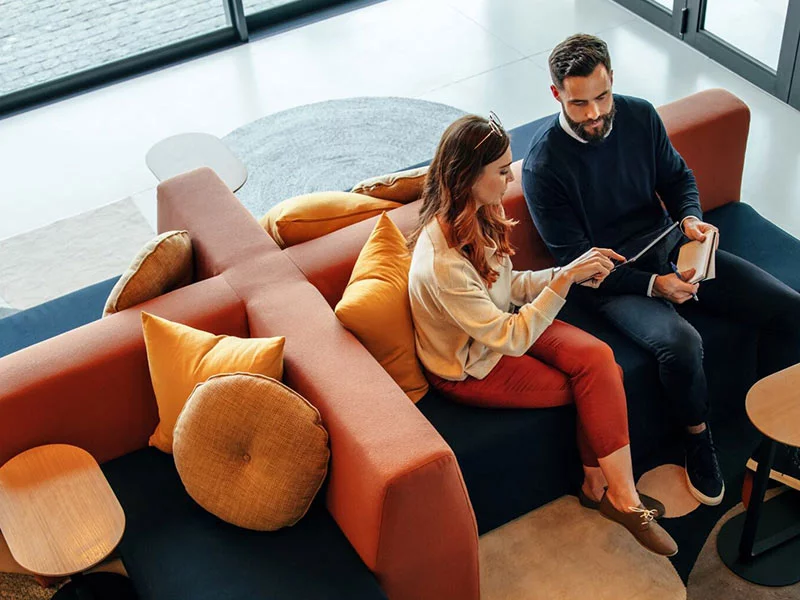
It’s 2024: the year we’ve moved into a new stage of the amenity war. Employees aren’t simply interested in a well-equipped conference room or on-site dry cleaner. At this frontier, the full picture is what matters.
“They want their workplace experience to be as well-rounded as possible,” said Tyler Kethcart, JLL director of business development. “More of everything is the only way to describe it.”
That means coming to work knowing that there will be somewhere healthy for lunch as well as a place to socialize at day’s-end, that they’ll have equal access to professional collaboration and excellent coffee. It’s less about specific needs and more about a holistic look at a positive office experience.
A focus on wellness
The modern office’s approach to health and wellness looks different than in years past.
“(Fitness-studio) demand has softened as of late,” Kethcart said. “The focus needs to be throughout the workday. (Wellness needs) are being solved for in different ways.”
Whereas wellness previously meant addressing fitness needs, perhaps through an on-site gym, today it refers to an overarching approach. Health and wellness programs in the workplace range from smoking cessation to fiscal prudence to team-building activities. Mindfulness is also a major concern in today’s workplace, meaning a property owner may incorporate spaces for quiet reflection or an employer might subsidize employee subscriptions to online meditation apps.
According to the National Library of Medicine, wellness is an active, not passive, proposition. “In recent years, wellness has moved into the workplace as enterprises – meaning both for-profit and not-for-profit companies, businesses, firms, institutions, and organizations designed to provide goods and/or services – have recognized the role that the workplace can play in supporting worker health,” the organization posits in Wellness at work: Building healthy workplaces. “While enterprises have the responsibility to provide safe and hazard-free work environments, they also have the opportunity to promote worker health and foster healthy workplaces.”
Places to work, places to play
Brad Despot, JLL senior managing director, brokerage, sees conference centers as a major demand amongst commercial tenants.
“I have a million-square-foot building in Chicago and it doesn’t have a conference center at all – that’s a big problem for us,” he said. “To me, a conference center is where it starts. (It offers) the ability to go outside one’s own office or hold a bigger meeting. Other amenities such as a tenant lounge, fitness center, they rank behind this.”
That may well make sense given that, according to data from the National Bureau of Economic Research, the amount of office meetings has increased by nearly 13% in the wake of the pandemic. At the same time, the amenities arms race doesn’t simply encapsulate working spaces. JLL’s Global Flex Report finds that landlords will get the most return on their investment through health and wellness initiatives, outdoor spaces, and hospitality services.
“The spaces we’re seeing now are much more about the experience – giving a person elsewhere to go in the building, elsewhere to work,” Despot said. “Obviously there’s a cost to it and a newness to it, but when a landlord is committed, they’ve got to be operated as well.”
The art of active listening
Property owners and employers are finding that it’s not enough to give employees the amenities they think that they want. It’s crucial to keep a finger on the pulse of their feelings.
“The last wish of corporate employees is that their needs are being heard, (that employers try to) raise awareness,” Kethcart said. “Active listening – that’s what we need to be doing. Survey our tenants, ask them, ‘Hey, what do you like about your experience here?’”
Active listening also rides on effective communication. This means clarity, concision, and responsiveness. Tenants want multiple channels through which they can communicate – email, phone, text messaging, and online portals – as well as proactive property owners who don’t wait for them to bring up issues or concerns, but rather check in on a regular basis.
“All these experiences play into what we see in the amenity spaces,” Despot said. “It’s more than what meets the eye.”
Want to learn more about how JLL’s Experience Management experts can bring added impact to your property? Click here.
