From small molecules to cell therapies, one size no longer fits all. Explore how purpose-built, data-driven facilities are helping biomanufacturers stay ahead of innovation.
07 November 2025
Insight
07 November 2025
Why not all biomanufacturing infrastructure is built the same
Categories:
Authors
Matt Jackson
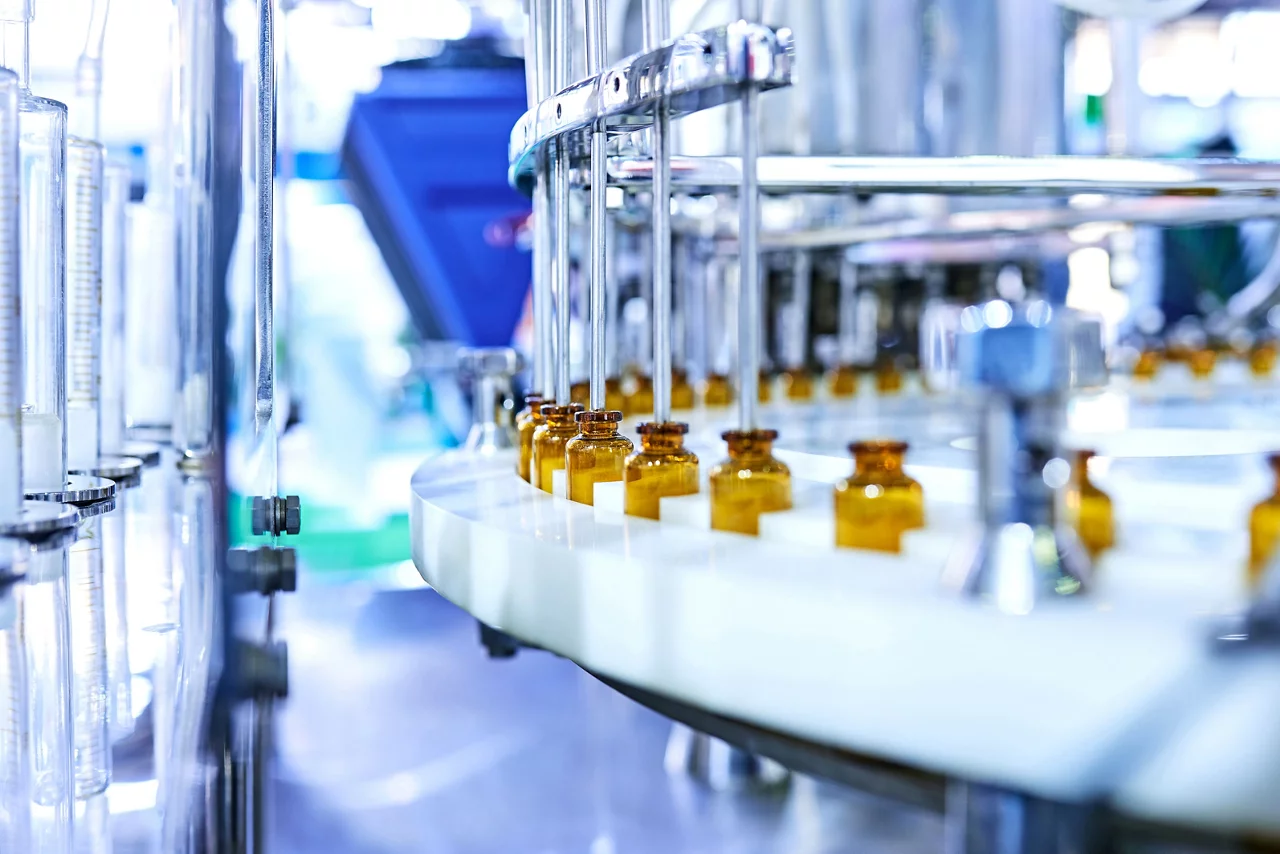
Not all manufacturing is created equal—especially in life sciences. Producing a medical device, a vaccine and a cell therapy may all fall under the same industry umbrella, but the infrastructure, expertise and risk profiles behind each are worlds apart.
This growing divide is reshaping the future of biomanufacturing. As therapies become more specialized, the environments that produce them must evolve just as quickly. Facilities that once worked for traditional pharmaceuticals now struggle to support biologics and cell-based therapies. The result is a widening gap between legacy plants and the advanced infrastructure that new science demands.
What’s at stake with complexity
The life sciences sector is evolving fast, driven by three imperatives: efficiency, innovation and adaptability. In the past decade, healthcare venture capital has soared from $63 billion to $293 billion, fueling demand for facilities that can keep pace with scientific progress. Yet as therapies become more advanced, the gap between what science needs and what infrastructure delivers is widening. This represents a 365% increase in just ten years, creating unprecedented pressure on manufacturing capacity.
At the core of this transformation lies operational complexity and risk. Traditional drug production relies on stable, repeatable processes that scale predictably. Cell and gene therapies, by contrast, operate at the edge of possibility—dependent on living cells, cryogenic logistics and near-flawless coordination. In many cases, material must travel from patient to processing site and back within just 24 hours, stored at -150°F or below. One disruption at any point in that chain can mean an entire batch is lost—often representing hundreds of thousands of dollars in lost product and, more critically, delayed treatment for patients.
“About 50% of vaccines don’t actually make it through to the market because of breakdowns in the supply chain,” said Matt Jackson, Managing Director of Business Consulting at JLL. “You need an operation that is very stable, with reliable electricity, redundancy in the sources and an environment that is predictable. With biologics, it’s just a different animal in terms of stability and risk. As a result, you often trade off higher costs for reliability.”
That trade-off defines today’s challenge. Facilities handling complex therapies can’t afford interruptions or uncertainty. They demand purpose-built infrastructure—designed, validated and maintained to an entirely different standard than conventional pharma plants.
Where today’s facilities fall short
Most legacy pharma facilities weren’t built for today’s scientific demands. Fixed layouts, aging utility systems and rigid processes make even minor changes costly and time-sensitive.
Add global component shortages—with lead times now stretching 25 weeks for critical HVAC and cleanroom components—projects can stall completely. The result is predictable: higher capital costs, delayed product launches and infrastructure that can’t keep pace with innovation.
Many manufacturers are still trying to retrofit outdated plants to handle advanced therapies. But factors like airflow, humidity, power redundancy and cleanroom zoning quickly become barriers. To stay competitive, biomanufacturing needs infrastructure built for adaptability—not as an afterthought, but from day one.
Leading life sciences firms are already making that shift. One global biopharma company partnered with JLL to divest legacy sites and invest in new manufacturing facilities built specifically for cell and gene therapy production. Instead of patching old assets, the company focused on strategic locations with the right talent pools, supply chain access and regulatory support.
It was more than a real estate play; it was a mindset shift. In the new era of complex therapeutics, infrastructure must evolve at the same pace as science itself.
Building smarter for complex modalities
Every therapy type places unique demands on infrastructure. Small-molecule drugs are relatively predictable, relying on chemical synthesis that scales efficiently. Biologics add complexity with living cells, sterile environments as well as strict temperature and humidity control. Cell and gene therapies push that complexity to the extreme—requiring cryogenic storage, 24-hour transport windows and specialized expertise that few facilities can currently support. These differences make several infrastructure principles clear:
Modular and scalable design
Leading firms are deploying modular construction to meet therapy-specific needs. Prefabricated cleanroom pods, as well as plug-and-play utilities, allow quick setup and easy expansion. Instead of starting from scratch, proven facility templates can be deployed globally and adapted for local regulatory requirements.Localized expertise
Each region has unique regulations, resources and labor markets. Working with specialized local contractors—like those supporting JLL’s global biopharma projects—helps manage risk, shorten timelines and maintain consistent construction qualityRedundancy and reliability
As Jackson emphasized, predictability is a non-negotiable for high-risk production environments. Facilities producing biologics or cell therapies need redundant power, utilities and supply lines to ensure continuous operation. These safeguards raise initial costs but prevent costly downtime and product loss.Regulatory agility
For advanced therapies, regulatory alignment can’t be an afterthought. Early engagement with agencies and the use of digital documentation and real-time tracking help teams move through validation faster and with fewer design changes.Smarter decisions through AI
Artificial intelligence (AI) is also reshaping the way life sciences companies plan and manage their spaces. AI-driven analytics can predict equipment performance, optimize temperature zones and guide investment decisions based on operational data. It’s helping facility leaders strike a balance between speed, cost and compliance—a critical trifecta in complex manufacturing.
Closing the infrastructure gap
Not all biomanufacturing infrastructure is built to handle the future of science. The industry operates across a spectrum of complexity—from straightforward drug production to therapies that rely on living cells and sub-zero logistics.
Companies that continue to retrofit outdated spaces will struggle to keep pace with innovation. Those that invest in modular, data-enabled, resilient and locally optimized facilities will gain the flexibility and resilience needed to thrive in this new era.
It’s not just about building faster. It’s about building smarter, ensuring that the next breakthrough therapy doesn’t just get discovered but achieves reliable, scalable production and delivered to patients who need it.