Hidden opportunities in workplace portfolios and how to act on them
13 May 2026
Insight
13 May 2026
Workplace Strategy in Saudi Arabia: Unlocking Strategic Value
Categories:
Authors
Haithem Darwich
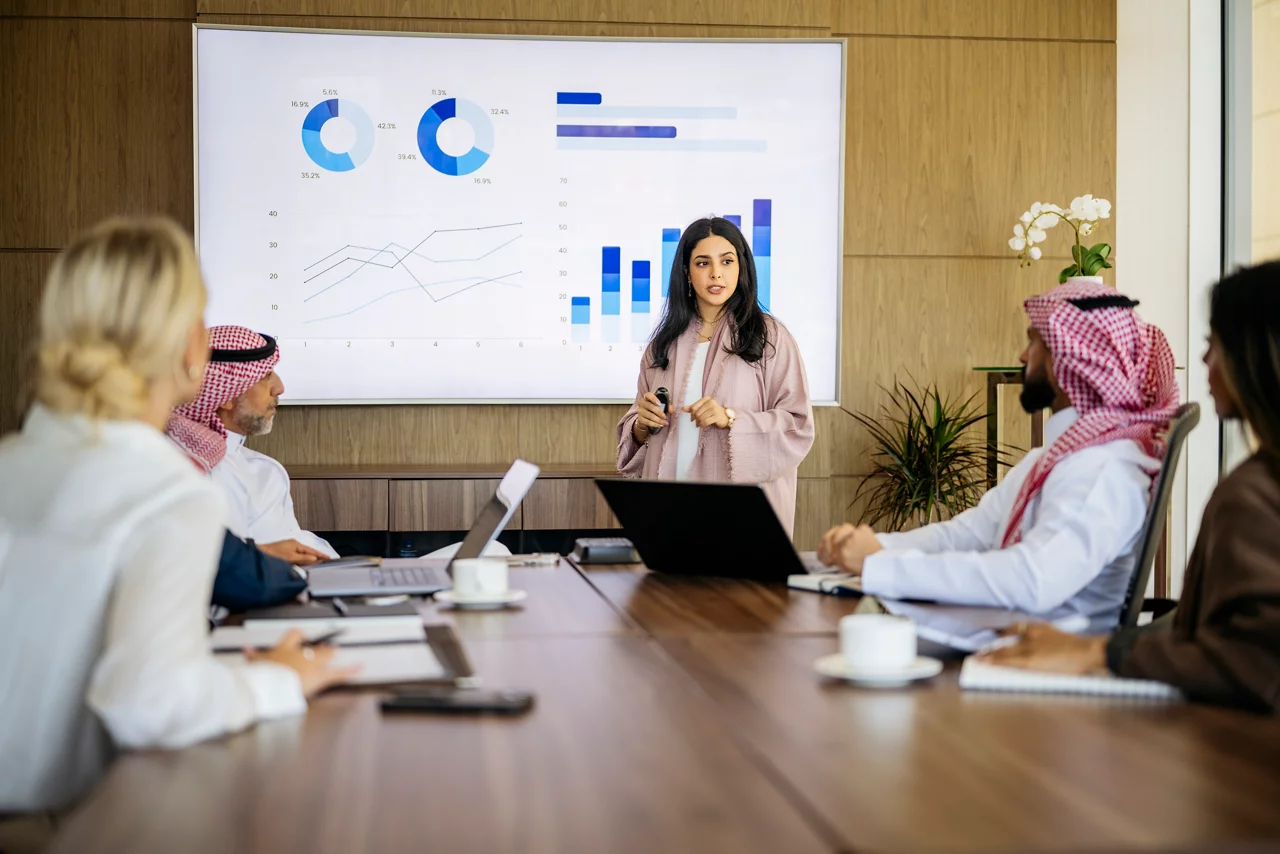
Saudi Arabia’s business landscape is undergoing a profound transformation. Economic diversification, digital acceleration, and changing workforce expectations are reshaping how organizations think about growth, talent, and innovation. At the center of this shift sits the workplace.
The modern office is no longer just a place to work. It has become a strategic asset - one that drives employee engagement, enables collaboration, and supports business performance. As the Kingdom continues to diversify its economy beyond oil, organizations are giving greater consideration to how physical environments align with and advance their objectives.
This period of change is prompting a reassessment of workplace needs, from attracting and retaining talent to fostering innovation and supporting evolving ways of working. Yet for many organizations, real estate is still viewed primarily as a cost to be managed rather than a lever for value creation.
The opportunity lies in shifting that perspective. Organizations that treat the workplace as a source of competitive advantage, not merely an operational expense are better positioned to succeed in the Kingdom’s evolving market. By creating environments that support people, encourage the exchange of ideas, and align with business goals, they are strengthening performance and long‑term resilience.
For decision‑makers, the focus is no longer on whether the workplace should evolve, but on how effectively it can be leveraged to support strategic priorities in a rapidly changing market.
Tailoring workspaces for evolving needs
One‑size‑fits‑all workspaces no longer meet organizational needs. Increasing emphasis is being placed on environments that reflect cultural values, support business objectives, and respond to changing workforce expectations.
This shift makes sense. The Saudi workforce is young, ambitious, and tech savvy. Employees increasingly expect workplaces that match their digital fluency and collaborative mindset, and spaces that respect local traditions while embracing modern ways of working.
The pandemic accelerated the adoption of digital tools and remote working, changing how work is performed and where it takes place. As hybrid models became more common, organizations began rethinking the role of the physical workplace, prompting a renewed focus on how spaces are designed, managed, and optimized to support purposeful in‑person interaction.
Successful workspace customization typically focuses on three priorities:
Cultural alignment: Incorporating prayer rooms, gender-appropriate spaces, and areas for hospitality that reflect Saudi values.
Flexibility: Creating adaptable layouts that shift easily between collaboration zones, focus areas, and team neighbourhoods.
Data-driven optimization: Using occupancy sensors and utilization analytics to understand how people actually use space.
Smart organizations aren't guessing. They're gathering real-time data to make informed decisions about their workplaces. This evidence-based approach helps them right-size their portfolios, reduce waste, and create environments where employees thrive.
The result is a workplace that delivers greater value for both the business and its people.
Building sustainable and future-ready work environments
Saudi Arabia is redefining its environmental ambitions, and workplaces are central to this transformation.
Vision 2030 has placed sustainability at the heart of national development. The Kingdom aims to achieve net zero emissions by 2060. For organizations, this means workspace strategies must align with ambitious environmental targets - not as an afterthought, but as a core business priority.
Green building standards are gaining momentum as organizations recognize that sustainable workplaces deliver value beyond environmental impact. Lower operating costs, improved air quality, and healthier indoor environments all contribute to better outcomes for both employees and the business.
Future‑ready work environments share several common characteristics:
Smart technology integration: Building management systems that optimize energy consumption, lighting, and climate control in real time
Modular design: Spaces that reconfigure quickly as teams grow, shrink, or reorganize
Wellness infrastructure: Biophilic elements, natural lighting, and air filtration systems that support physical and mental health
Water efficiency: Critical in a region where water scarcity demands responsible resource management
Organizations that invest early in sustainable, adaptable workplaces are not only responding to environmental priorities, but they are also strengthening their competitive position. These environments help attract talent, reduce operational costs, and support long‑term resilience in a rapidly evolving market.
Rethinking the workplace for Saudi Arabia's future
The workplace is no longer just where work happens. It is where strategy comes to life.
Saudi Arabia stands at a pivotal moment, with industries transforming, new sectors emerging, and global talent increasingly drawn to the Kingdom. Organizations that treat their workplaces as strategic assets, rather than overhead costs, are best positioned to lead this next phase of growth.
The evidence is compelling. Companies that invest in thoughtful workplace design see measurable returns, including higher employee engagement, stronger retention, and improved operational efficiency.
Success requires a holistic approach. The most effective workplace strategies bring together three essential elements:
Adaptability: Flexible environments that evolve with business needs and workforce expectations
Sustainability: Green design principles that align with national environmental commitments and reduce long-term costs
Employee experience:Spaces that prioritize well-being, collaboration, and purpose
These elements reinforce one another rather than compete.
As expectations continue to evolve, maintaining traditional workplace models may limit flexibility and innovation. Rethinking environments with intent allows organizations to better support talent attraction, creativity, and long-term growth.
For many organizations, this represents a timely opportunity. Those that adapt their workplace strategies thoughtfully will be well positioned to support both national ambitions and their own long-term objectives.
Ready to discover what more your workplace can do for your business? Contact JLL for a consultation to reveal the opportunities hiding within your real estate footprint.