A guide to turn employee expectations into higher retention, better performance, and competitive advantage.
22 December 2025
Guide
22 December 2025
Transform your Belgian workplace strategy with employee-centered solutions
Categories:
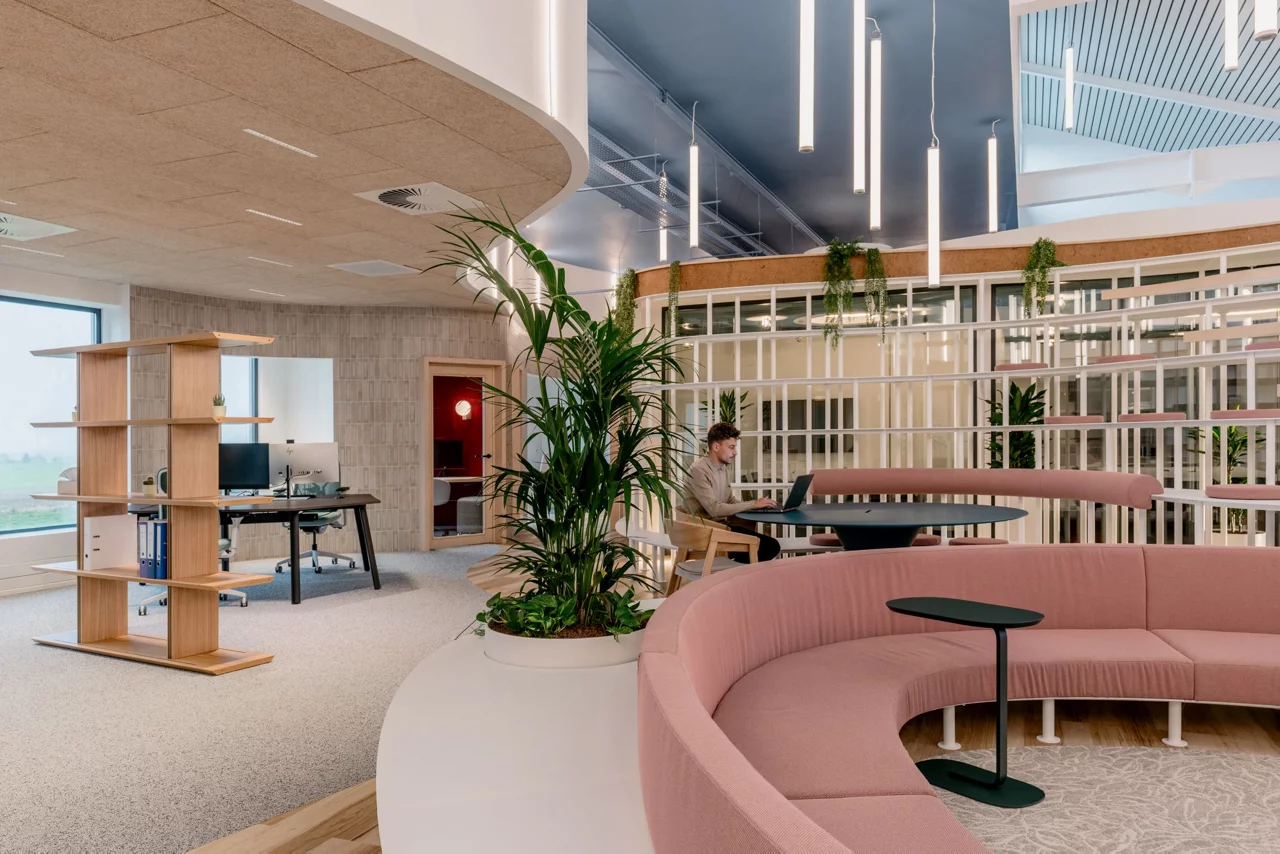
Belgian business leaders face an evolving workplace environment that requires thoughtful understanding. The shift in employee expectations isn't a crisis to solve but an opportunity to build stronger, more resilient organizations. Understanding these changes helps leaders make informed decisions that benefit both their teams and business objectives.
Recent data from JLL's 2025 Workforce Preference Barometer reveals a clear picture: work-life balance now prioritizes over salary for 68% of employees, while 59% believe their office experience needs improvement. With 15% actively considering leaving their roles, these statistics are not a sign of failure. They are a roadmap for organizations ready to invest in their people and workplaces strategically.
The new employee-employer contract
The foundation of the workplace has changed. This isn't a temporary trend but a permanent shift in how people evaluate their careers. This new "contract" is built on three core pillars:
- Work-life integration, not just balance: Flexibility has evolved beyond location. Employees now seek autonomy over their time to manage their lives effectively. This requires a move beyond rigid attendance tracking to engagement-focused policies.
- A destination, not an obligation: When employees commute, their expectations are high. An office must offer something more than home—an environment that actively supports collaboration, focus, and connection. With 59% of employees seeing room for improvement, the physical workplace is a critical area for investment.
- Culture and wellbeing as a priority: Employees are seeking supportive environments. This means addressing burnout risks, providing growth opportunities, and fostering a culture of recognition.
Designing a people-centric workplace strategy
Meeting these new expectations requires a holistic strategy. The most successful organizations build their approach around three interconnected areas: policy, place, and people.
1. Redefine policy and flexibility
The most effective workplace policies focus on engagement, not just attendance. As Jan-Maarten Van Damme, Lead Consultant JLL Belgium, observes, "Companies that align with these preferences are seeing remarkable results in talent attraction and retention."
A successful framework includes:
- Purpose-driven presence: Clearly explaining why office time is valuable.
- Flexible scheduling: Offering options like core collaboration hours and individual focus time.
- Empathetic guidelines: Acknowledging individual circumstances and life stages.
This approach creates conditions where employees understand the value of the office and choose to engage, moving beyond simple compliance.
2. Create a magnetic place and experience
The physical workplace must earn its place in employees' lives. As Charlotte Maes, Director Tenant Representation JLL Belgium, notes, "They're seeking environments that enhance rather than constrain their performance."
High-impact investments focus on what employees value most:
- Fundamental comfort: Prioritize acoustics (a need for 37%), natural elements like outdoor access (41%) and greenery (37%), and thermal comfort (28%).
- Strategic amenities: Focus on services that support wellbeing and productivity, such as healthy food options, fitness facilities, and professional development spaces.
- Flexible design: Create a variety of spaces that support different types of work, from deep focus to dynamic collaboration.
These improvements are not luxury perks; they are investments in productivity that pay measurable returns.
3. Foster a culture of support
A great space and flexible policy can be undermined by a poor culture. This involves proactively addressing wellbeing and empowering managers to lead effectively.
Key focus areas for culture include:
- Proactive wellbeing: Implement programs that address burnout and support mental health.
- Manager enablement: Train leaders in emotional intelligence and how to lead hybrid teams.
- Recognition and growth: Build clear pathways for career development and consistently recognize contributions.
Your implementation roadmap
Workplace transformation succeeds through systematic, people-centric implementation. This approach puts your employees at the center of the process from the beginning, ensuring the final result is not just a new office, but a destination they embrace.
The Suntory's workspace transformation with JLL and Tétris
A phased, people-centric approach can be seen in the successful transformation of Suntory's Brussels headquarters. The process typically includes:
- Understanding employee needs: The journey begins with deep listening. This collaborative method ensured the new workspace would reflect employee needs while embodying Suntory's identity.
- Co-designing the solution: This insight becomes the blueprint. Teams participated in defining the vision and projecting future usage patterns, guaranteeing smooth daily operations in the new environment.
- Implementing with support: The final phase brings the co-designed vision to life. For the Suntory team, this meant creating a variety of spaces—from quiet rooms for focus to collaborative zones—that empower them to choose the right environment for their tasks and help them adapt to new hybrid rhythms.
This approach ensures the final workspace is truly embraced by the people it’s designed for.
Your next step on the transformation journey
The data is clear: Belgian employees have new expectations for their workplace. Organizations that listen thoughtfully and respond strategically will not only attract and retain top talent but also build stronger, more resilient businesses.
This transformation represents a significant investment of time and resources. For many leaders, partnering with specialists who understand the Belgian market's unique characteristics can accelerate progress and maximize returns. As Jan-Maarten Van Damme describes it, the goal is to "translate your business transformation goals into integrated workplace journeys."
Whether you are just beginning to assess employee needs or are ready to implement a full-scale redesign, the journey starts with a single decision: to place your people at the center of your workplace strategy. Your employees are ready for a better experience, and your business results depend on it.
Need to scroll availabilities in Belgium?
Browse exclusive offices to rent and for sale!